How a Canine Internal Medicine Specialist Uses Ultrasound Diagnostics

How a Canine Internal Medicine Specialist Uses Ultrasound Diagnostics
If your dog is facing a complex health issue, the uncertainty can be overwhelming. Many pet owners in Miami and surrounding communities find themselves asking how advanced diagnostics, like ultrasound, can provide the answers they need for their dog’s care. At The Veterinary Internal Medicine Group, located at 12968 Southwest 132nd Avenue, Miami, FL 33186, our focus is on helping you and your primary veterinarian with challenging cases by offering expert ultrasound, specialty diagnostics, and internal medicine consultations. This blog will guide you through how a canine internal medicine specialist utilizes ultrasound to uncover the root of your dog’s health concerns, what you can expect from these advanced procedures, and how we work collaboratively to support your pet’s well-being. You’ll also discover when it’s time to seek specialty care, how ultrasound compares to other options, and why choosing a team with advanced diagnostic skills can make a difference for your dog.
Recognizing When Your Dog Needs an Internal Medicine Specialist
As a pet owner, you know your dog better than anyone. However, certain signs may indicate that your dog is dealing with more than a routine illness. When should you consider a referral to a canine internal medicine specialist? Persistent symptoms such as unexplained weight loss, chronic vomiting or diarrhea, ongoing coughing, changes in appetite, increased drinking or urination, or the discovery of an abdominal or chest mass during a regular exam can signal complex health problems. In some cases, your primary veterinarian may recommend advanced diagnostics if your dog is not responding to initial treatments or if routine bloodwork and x-rays fail to provide clear answers. These are the moments when seeking the expertise of a specialist can be crucial for your dog’s health.
Dogs with chronic conditions like inflammatory bowel disease, liver disease, kidney issues, or suspected cancers often benefit from the detailed imaging and comprehensive evaluations that only a specialty practice can provide. It is important to recognize that early involvement of a canine internal medicine specialist can lead to more accurate diagnoses and tailored treatment plans, improving the outlook for your dog and giving you peace of mind.
Understanding the Causes and Benefits of Advanced Ultrasound Diagnostics
Complex conditions in dogs can stem from a variety of factors, including genetic predispositions, chronic inflammation, infections, immune-mediated diseases, or tumors. Unfortunately, many of these conditions present with non-specific symptoms, making them challenging to diagnose through physical exams and standard testing alone. This is where the value of advanced ultrasound diagnostics comes into play.
Ultrasound provides a non-invasive, real-time look at your dog’s internal organs. Unlike traditional x-rays, ultrasound allows a canine internal medicine specialist to visualize soft tissue structures in detail, assess blood flow, and identify abnormalities such as masses, cysts, or fluid accumulation. For example, if your dog has persistently elevated liver enzymes, an ultrasound can help determine whether the cause is an inflammatory process, a tumor, or a congenital abnormality. Ultrasound is also instrumental in evaluating the abdomen, chest (thoracic ultrasound), and even guiding minimally invasive procedures, such as fine needle aspirates or fluid sampling. To learn more about how abdominal ultrasounds are performed by a board-certified internal medicine specialist, visit our page on abdominal ultrasound services.
In South Florida’s warm climate, issues like infectious diseases and certain cancers may be more prevalent, heightening the importance of timely and accurate diagnostics. When your primary veterinarian recommends a referral, the goal is to leverage the advanced imaging capabilities of a specialty team to quickly identify the underlying problem and chart the most effective path forward.
How a Canine Internal Medicine Specialist Approaches Diagnosis and Treatment
When your dog is referred to The Veterinary Internal Medicine Group, our veterinarians conduct a thorough review of your pet’s medical history, previous diagnostics, and current symptoms. The diagnostic process typically begins with a comprehensive consultation, followed by targeted advanced imaging, such as abdominal or thoracic ultrasound, to gather detailed information.
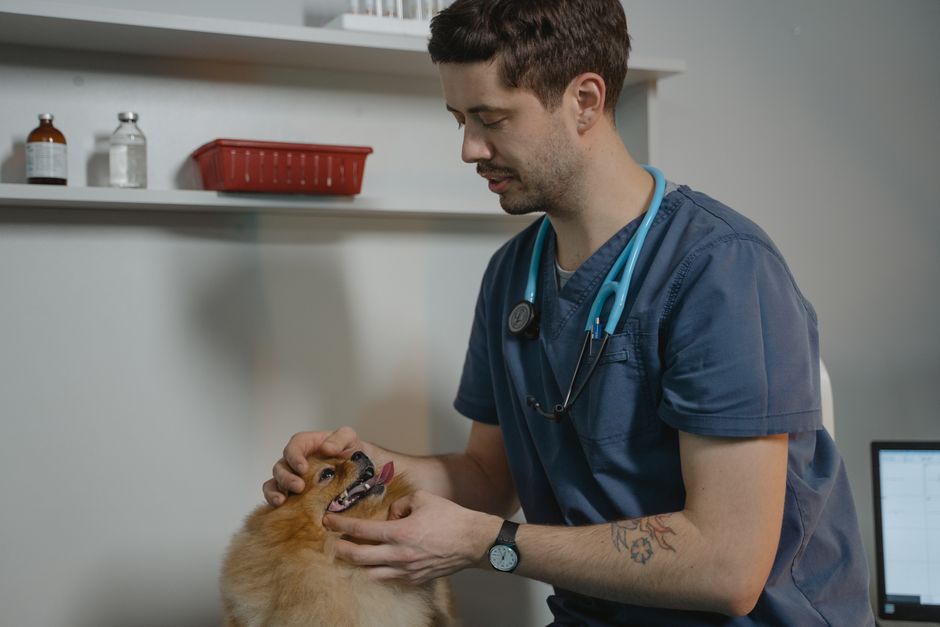
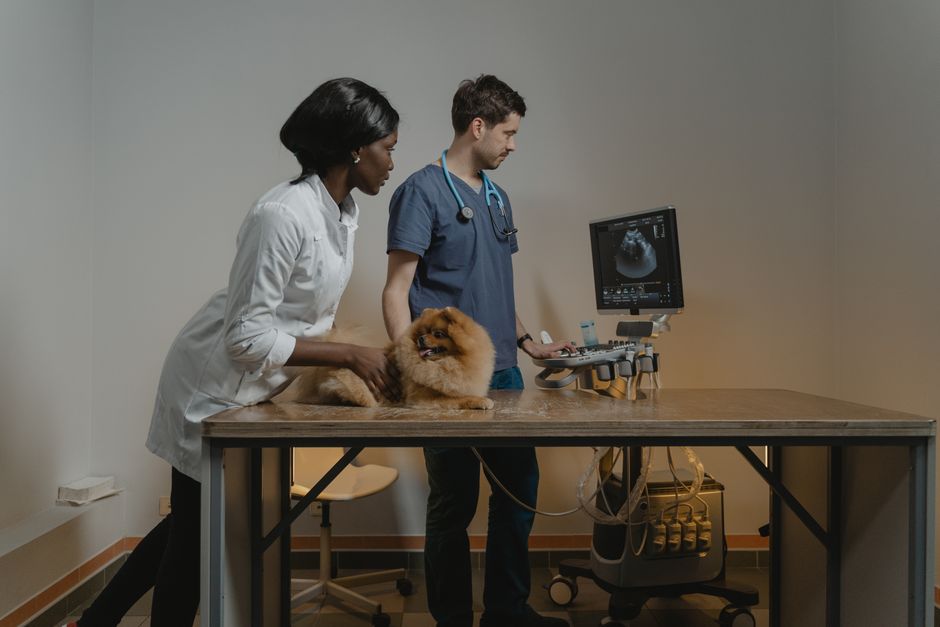
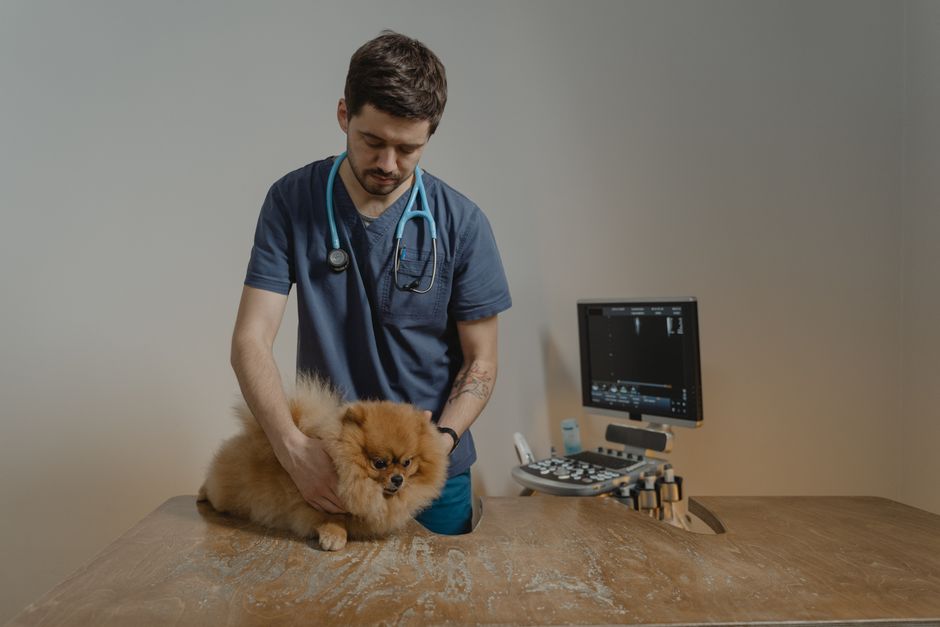
During an ultrasound, your dog is gently positioned for optimal imaging, and a specialized probe is used to visualize internal organs in real time. This approach allows us to assess organ size, structure, and any abnormal changes. If an abnormality is detected, we may recommend an ultrasound-guided fine needle aspirate, which involves using ultrasound guidance to obtain a small tissue or fluid sample for further analysis. This minimally invasive technique often provides critical information about the nature of a mass or lesion, helping to distinguish between benign and malignant conditions.
Beyond ultrasound, we offer additional diagnostic procedures based on your dog’s needs. These may include abdominocentesis to sample abdominal fluid, thoracocentesis to evaluate chest fluid, or pericardiocentesis for heart-related fluid build-up. For particularly challenging cases, advanced imaging options like CT and fluoroscopy are available through our collaboration with Mobile Pet Imaging, providing even greater diagnostic clarity. To explore how these options can help with specific concerns such as evaluating elevated liver enzymes, you may find our resource comparing CT and ultrasound for liver enzymes helpful.
Once a diagnosis is reached, our internal medicine specialists develop a customized treatment plan in collaboration with your primary veterinarian, ensuring your dog receives the most appropriate and effective care. This may involve medications, dietary management, or recommendations for additional specialty services as needed.
The Importance of Collaborative Care
A key advantage of working with a canine internal medicine specialist is the collaborative approach to your dog’s health. We maintain close communication with your primary veterinarian, sharing our findings and recommendations so that everyone involved is working from the same information. This partnership ensures continuity of care and optimal outcomes for your dog, especially when managing chronic or complex conditions.
What to Expect During and After Your Dog’s Ultrasound
Understanding what happens during an ultrasound can ease concerns for many pet owners. Most dogs tolerate the procedure well, with minimal stress or discomfort. Your dog may need to have some fur gently shaved in the area to be examined, allowing for the best possible images. Sedation is usually not required unless your dog is especially anxious or uncomfortable, but our veterinary team always prioritizes your pet’s well-being throughout the process.
After the ultrasound, our specialists review the images in detail and discuss the findings with you, answering any questions you may have. Depending on the results, we may recommend further diagnostic steps or move directly into developing a treatment plan. Our goal is to provide clarity and guidance, helping you make informed decisions for your dog’s health.
Supporting Your Dog at Home: What Pet Owners Can Do
While some aspects of diagnosis and treatment must be managed by veterinary professionals, there are steps you can take at home to support your dog’s recovery and health. Monitor your dog closely for any changes in behavior, appetite, or energy level, and promptly report these to your veterinarian. Follow all medication and dietary recommendations carefully, and attend all scheduled follow-up appointments for ongoing evaluation.
If your dog has a chronic condition, maintaining detailed notes about symptoms or changes can be valuable for your veterinary team. Early detection of any new or worsening signs can significantly impact your dog’s prognosis and quality of life.
When to Seek Veterinary Specialty Care
It is natural to wonder when specialty care is necessary for your dog. If your dog is experiencing persistent symptoms that are not responding to standard treatments, has been diagnosed with a complex or unclear condition, or if your primary veterinarian recommends advanced diagnostics, it is time to consult a canine internal medicine specialist.
In some cases, time is of the essence. Rapidly progressing symptoms such as difficulty breathing, sudden collapse, or acute abdominal pain require immediate attention through an emergency veterinary clinic. For ongoing or unresolved concerns, seeking specialty care promptly can improve your dog’s chances for a positive outcome and may reduce the need for more invasive procedures in the future.
For more information about our internal medicine consultations for complex medical problems, you can learn how our team supports both pets and primary care veterinarians throughout the Miami area.
Choosing the Right Canine Internal Medicine Specialist in Miami
Selecting a specialty practice with board-certified internal medicine veterinarians ensures your dog benefits from the highest level of expertise and the most advanced diagnostic tools. At The Veterinary Internal Medicine Group, we are committed to providing compassionate, thorough care for dogs facing challenging health concerns. Our focus on comprehensive diagnostics, including ultrasound-guided fine needle aspirates and advanced imaging, sets us apart as a trusted resource for pet owners and veterinarians alike.
When searching for a specialty vet near me, it is important to find a practice that prioritizes communication, collaboration, and individualized care. Our location in Miami allows us to serve pets from the city and nearby communities, ensuring local families have access to world-class internal medicine expertise close to home.
Take the Next Step for Your Dog’s Health
If your dog is facing a complex health issue, do not wait to seek answers. The earlier a diagnosis is reached, the more options you have for effective treatment and improved quality of life. At The Veterinary Internal Medicine Group, our team of canine internal medicine specialists is here to help you navigate challenging diagnoses with compassion and skill. To schedule a consultation or learn more about our ultrasound and advanced diagnostic services, contact us at (305) 677-2015 or visit us in person at 12968 Southwest 132nd Avenue, Miami, FL 33186.
We understand the trust you place in us when your dog needs specialty care, and we are dedicated to supporting you every step of the way. When searching for a canine internal medicine specialist or a specialty vet near me, know that our veterinary team in Miami is ready to provide the answers and guidance your dog deserves. For additional insights into our services and how we work with primary veterinarians, explore our internal medicine consult offerings or educational resources designed for pet owners like you.
All medical information in this blog is for educational purposes only and should not replace professional veterinary advice. Always consult your veterinarian or a board-certified specialist for diagnosis and treatment specific to your pet’s needs.