How a Canine Internal Medicine Specialist Diagnoses Elusive Illnesses

How a Canine Internal Medicine Specialist Diagnoses Elusive Illnesses
If your dog is experiencing unexplained symptoms such as weight loss, chronic vomiting, or persistent changes in behavior, it can be both frustrating and worrisome. Many pet owners in Miami and the surrounding communities find themselves searching for answers when routine veterinary care cannot pinpoint the cause of their dog's illness. This is where a canine internal medicine specialist steps in, bringing advanced diagnostics and deep expertise to cases that are anything but straightforward. At The Veterinary Internal Medicine Group, our board-certified internist and team of veterinary professionals in 12968 Southwest 132nd Avenue, Miami, FL 33186 are dedicated to helping pet owners uncover the underlying reasons for their dog's ongoing health issues. In this blog, we will explore how a canine internal medicine specialist uses advanced tools like ultrasound and CT scans to solve complex medical mysteries, what signs should prompt you to seek specialty care, and why advanced internal medicine is so vital for your dog's well-being.
Recognizing When Your Dog Needs an Internal Medicine Specialist
As a pet owner, you know your dog best. Subtle changes in their daily habits can signal that something is wrong, especially when symptoms persist despite routine veterinary care. Warning signs that may indicate your dog needs to see a canine internal medicine specialist include ongoing digestive upset such as vomiting or diarrhea that doesn't resolve, unexplained weight loss, chronic coughing or labored breathing, increased thirst or urination, or a gradual but noticeable drop in energy levels. You might also notice more specific symptoms like jaundice (yellowing of the gums or eyes), recurring fevers, or abdominal swelling. When typical treatments or diagnostic tests at your primary veterinarian's office do not provide clear answers, these ongoing or elusive symptoms become a red flag—prompting the need for advanced specialty evaluation.
Why Do Some Dog Illnesses Elude Diagnosis?
Some illnesses in dogs are inherently complex and can mimic other conditions, making diagnosis with standard tests challenging. Chronic gastrointestinal diseases, immune-mediated disorders, kidney or liver problems, and certain types of infections or cancers often present with vague or overlapping symptoms. Additionally, some conditions develop gradually or are masked by a dog’s natural ability to adapt and hide discomfort. Breed-specific diseases such as Addison’s disease or atypical presentations of common problems can further complicate the picture. Many internal disorders impact multiple organ systems at once; this makes it essential to take a comprehensive, systematic approach—something a canine internal medicine specialist is uniquely trained to do. These experts combine a deep understanding of disease processes with access to advanced technology, allowing them to investigate beyond the surface and uncover subtle internal problems.
The Diagnostic Approach: How Specialists Get Answers
Comprehensive Consultations and Medical History
The process begins with an in-depth consultation. A canine internal medicine specialist will review your dog's complete medical history, discuss previous treatments and outcomes, and perform a thorough physical examination. This detailed approach ensures that nothing is overlooked, even if symptoms have changed over time or seem unrelated. By asking targeted questions and listening carefully to your observations, the specialist can narrow down potential causes and tailor the diagnostic plan to your dog’s unique situation.
Advanced Imaging: Ultrasound and CT Scans
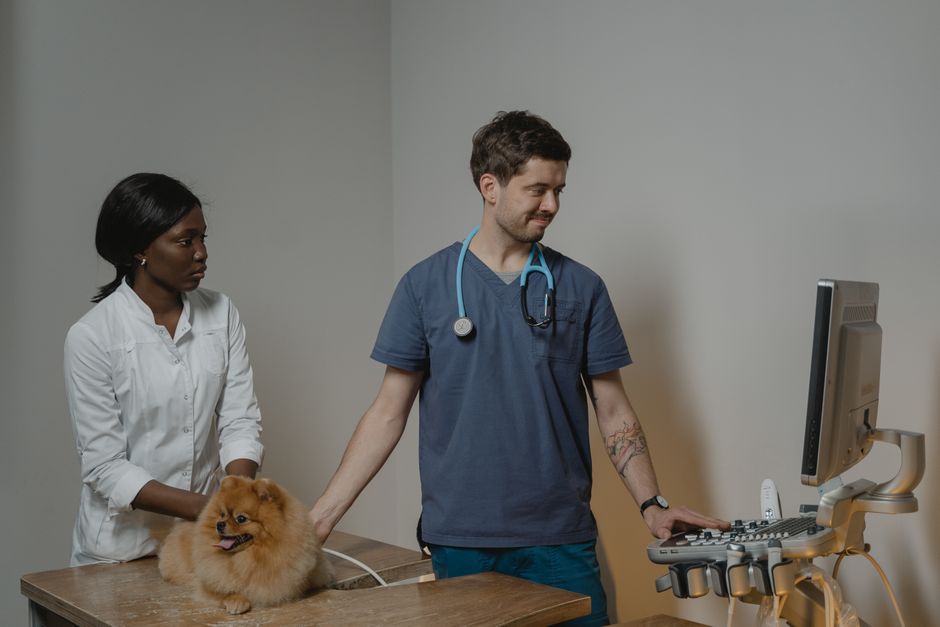
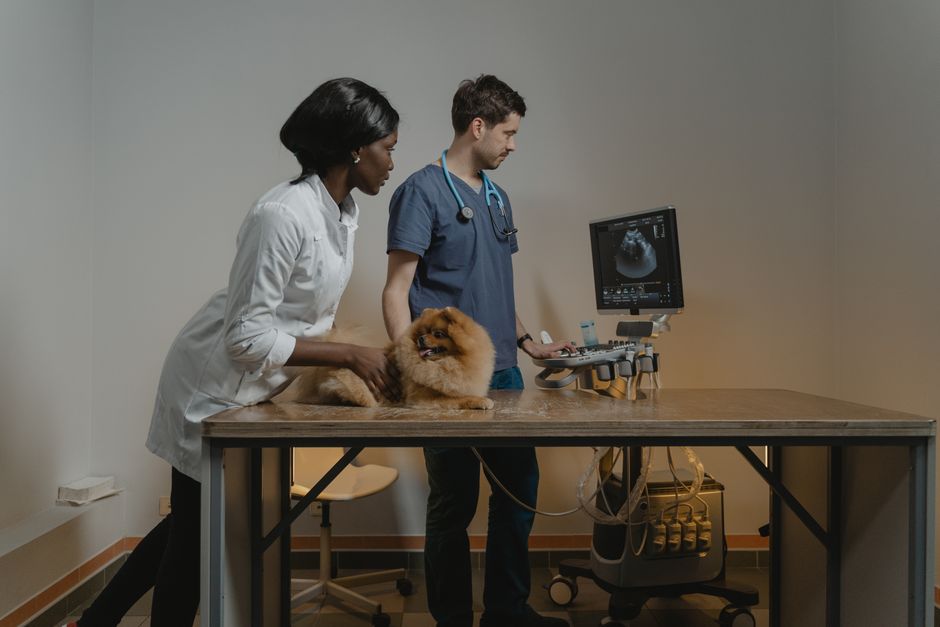
When routine bloodwork and X-rays fall short, advanced imaging becomes crucial. At The Veterinary Internal Medicine Group, we offer sophisticated diagnostic options such as abdominal ultrasound and non-cardiac thoracic ultrasounds to evaluate your dog's internal organs in real time. Ultrasound is particularly valuable for visualizing the liver, spleen, kidneys, gastrointestinal tract, and abdominal lymph nodes. This non-invasive tool allows us to identify masses, inflammation, or changes in organ structure that might otherwise go undetected.
For even more detailed evaluation, CT scans can be arranged through our collaboration with Mobile Pet Imaging. CT imaging provides cross-sectional views of your dog’s body, making it possible to see inside areas that are challenging to assess with ultrasound alone. This is especially useful for evaluating complex cases involving the lungs, nasal passages, or deeper abdominal structures. If you are interested in how these imaging techniques differ, our educational resource on CT vs. ultrasound for investigating liver enzyme elevation offers further insight.
Targeted Diagnostic Procedures
Beyond imaging, a canine internal medicine specialist may recommend additional diagnostic procedures to obtain samples for analysis. These can include ultrasound-guided fine-needle aspirates to collect cells from abnormal areas, or advanced techniques like abdominocentesis and thoracocentesis when fluid accumulates in the chest or abdomen. These procedures are minimally invasive and performed with the utmost care to ensure your dog’s comfort and safety. Combined with specialized laboratory testing, these samples often provide the final piece of the diagnostic puzzle, revealing infections, cancer cells, or other underlying problems.
Collaborative Care
Internal medicine specialists often collaborate closely with your primary veterinarian and, when needed, other veterinary specialists such as oncologists, surgeons, or cardiologists. This team approach ensures that every aspect of your dog’s illness is considered and that all available expertise is brought together for the best possible outcome. Once a diagnosis is made, the specialist will communicate findings and recommendations clearly, guiding both you and your primary veterinarian on the next steps.
Treatment and Management of Complex Canine Illnesses
Once a definitive diagnosis is achieved, treatment strategies are tailored to your dog’s specific needs. Management approaches often involve a combination of medications, dietary changes, and, in some cases, advanced procedures. For example, dogs with chronic gastrointestinal disease might benefit from immunosuppressive therapy, probiotics, and prescription diets. Those with endocrine disorders like Cushing’s or Addison’s disease require precise medication and regular monitoring.
In cases where cancer is diagnosed, your canine internal medicine specialist can coordinate with oncology teams to discuss options such as chemotherapy, targeted therapies, or palliative care. Dogs suffering from infections may require long-term antibiotics, antifungal medications, or immune support. The goal is always to address the underlying cause, minimize discomfort, and improve your dog’s quality of life. Ongoing follow-up with the internal medicine team helps track progress and adapt the treatment plan as your dog’s condition evolves.
What Can Pet Owners Do at Home?
While advanced diagnostics and treatment are essential for complex illnesses, pet owners play a crucial role in supporting their dog’s health at home. Keeping a detailed record of your dog’s symptoms, appetite, and behavior changes helps your veterinary team identify trends and triggers. Administer all medications exactly as prescribed, and monitor your dog for any side effects or new symptoms. Providing a stress-free, comfortable environment, ensuring access to fresh water, and maintaining a consistent routine can make a significant difference during recovery. If your dog is on a special diet or medication, avoid making changes without consulting your veterinarian. Communication is key; always report any changes or concerns promptly, as early detection of new issues can prevent setbacks.
When Should You Seek Specialty Veterinary Care?
Knowing when to seek the expertise of a canine internal medicine specialist can make all the difference for your dog’s health. You should consider specialty care if your dog has persistent or unexplained symptoms that are not improving, if initial diagnostic tests are inconclusive, or if your primary veterinarian recommends referral for advanced evaluation. Sudden changes in breathing, difficulty walking, severe weakness, or significant swelling of the abdomen are examples of situations that require immediate attention.
At The Veterinary Internal Medicine Group, we are committed to providing clear communication and compassionate support throughout the referral process. Our board-certified internist will keep you and your primary veterinarian informed every step of the way, ensuring a seamless transition from general practice to specialty care.
Why Trust a Canine Internal Medicine Specialist in Miami?
Choosing a canine internal medicine specialist in Miami gives your dog access to the highest level of expertise and technology available in veterinary medicine. Our team offers advanced diagnostics, including ultrasound services, internal medicine consultations, and specialized procedures not typically available in general practice. By focusing exclusively on complex and elusive illnesses, we are able to devote the time, attention, and skill that these challenging cases demand.
Our location in Miami and surrounding communities makes specialty veterinary care accessible for pet owners who want answers and solutions for their dogs. We are proud to work alongside local veterinarians to ensure every dog receives the best possible care, whether your pet is facing a puzzling illness or living with a long-term condition.
Take the Next Step: Advanced Care for Your Dog’s Health
If your dog is struggling with an elusive illness and you are searching for a "specialty vet near me," The Veterinary Internal Medicine Group is ready to help. Our board-certified canine internal medicine specialist combines advanced diagnostic imaging, specialized procedures, and collaborative care to give your dog the best chance at a healthy future. We encourage you to reach out to our veterinary professionals with your concerns or questions, or to discuss a referral from your primary veterinarian. For more information about our services, including internal medicine consultations and abdominal ultrasound, visit our website or contact us directly at (305) 677-2015. Our team is honored to serve pet owners throughout Miami and the surrounding areas, providing answers when your dog needs them most.