Top Questions to Ask Your Canine Internal Medicine Specialist

Top Questions to Ask Your Canine Internal Medicine Specialist
When your dog is facing a complex or unexplained health issue, it can be overwhelming to know where to turn for answers. In these moments, working with a canine internal medicine specialist is often the next best step toward understanding your dog’s condition and finding a path to better health. At The Veterinary Internal Medicine Group, located at 12968 Southwest 132nd Avenue, Miami, FL 33186, we provide advanced diagnostics such as ultrasound and internal medicine consultations for pets throughout Miami and surrounding communities. In this guide, we’ll help you prepare for your visit by sharing the top questions to ask your canine internal medicine specialist, explain why these conversations are so important, and show how advanced diagnostics can help you get the answers your dog deserves.
Recognizing When Your Dog Needs an Internal Medicine Specialist
It can be difficult for pet owners to decide when a referral to a canine internal medicine specialist is warranted. Most families work closely with a trusted primary care veterinarian for routine care, but certain health problems call for the expertise and specialized tools available in internal medicine. If your dog has been experiencing ongoing symptoms that haven’t improved with standard treatment, or if their diagnosis remains unclear after initial testing, it may be time to seek specialty care.
Key signs that suggest your dog would benefit from a consultation include persistent vomiting or diarrhea that does not resolve, unexplained weight loss or changes in appetite, chronic coughing, unusual fatigue, or repeated episodes of fever. Some dogs develop increased thirst and urination, abdominal swelling, or unexplained pain. Your primary veterinarian may also recommend referral if imaging or lab results are inconclusive, if there is concern for immune-mediated disease, or if your dog is suspected of having a complex endocrine or metabolic disorder. The goal of a visit with a canine internal medicine specialist is to use advanced diagnostics and a thorough evaluation to uncover the root cause of your dog's symptoms.
Understanding What Causes Complex Canine Health Problems
Many of the cases seen by our veterinary internal medicine team involve conditions that are not easily diagnosed with routine bloodwork or physical exams. Internal medicine specialists frequently address diseases that affect major organ systems, including the liver, kidneys, pancreas, gastrointestinal tract, and lungs. Common examples are chronic inflammatory bowel disease, immune-mediated disorders, complicated urinary or respiratory infections, and certain types of cancer or metabolic disease.
The causes of these problems can be varied; genetics, environmental factors, infectious agents, or immune system dysfunction all play a role in different diseases. Sometimes, a dog’s symptoms have multiple contributing factors, or the underlying problem is hidden deep within the body and requires advanced tools like ultrasound or specialized laboratory tests for detection. That is why canine internal medicine specialists rely on a broad range of diagnostics to reach an accurate diagnosis and tailor a treatment plan that addresses the unique needs of each pet.
Questions to Ask Your Canine Internal Medicine Specialist
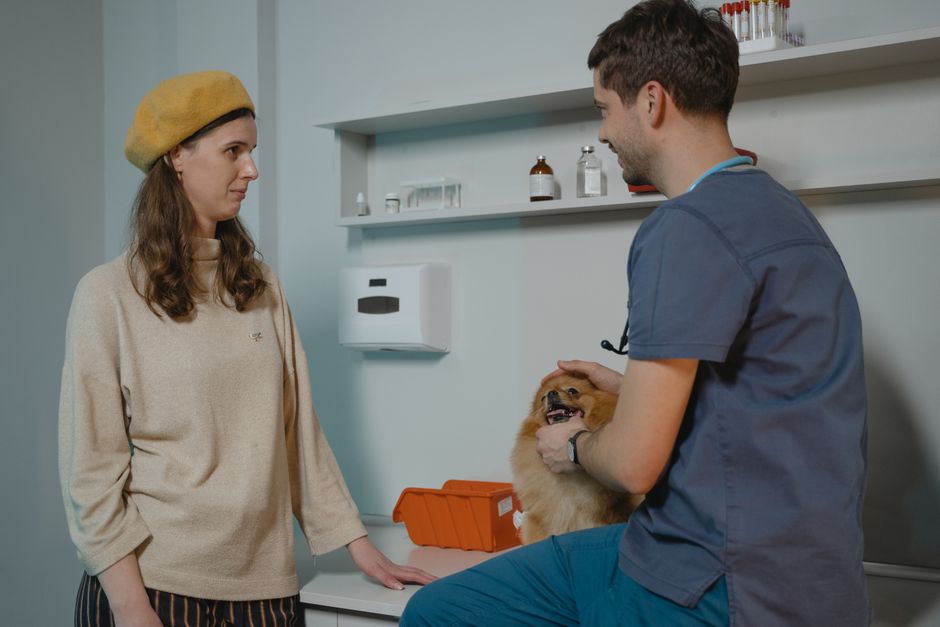
When you arrive at The Veterinary Internal Medicine Group for your dog's consult, you may feel a mixture of hope and anxiety. Bringing a list of questions can help you make the most of your appointment and ensure you understand the next steps. Here are several important questions pet owners should consider asking during their visit:
- What is the suspected diagnosis, and what are the possible causes of my dog's symptoms?
- What additional tests or advanced diagnostics do you recommend, and how will they help clarify my dog's condition?
- How does an abdominal or thoracic ultrasound contribute to the diagnostic process?
- Are there risks or benefits to procedures like ultrasound-guided fine needle aspirates?
- How soon can we expect results from these tests?
- What treatment options are available, and what is the likely prognosis for my dog?
Having open communication with your canine internal medicine specialist helps you feel empowered and informed, making it easier to participate in decisions about your dog’s care. If you are interested in learning more about internal medicine consultations for complex medical problems, our team is always happy to provide guidance and answer your questions.
The Role of Diagnostic Imaging and Advanced Procedures
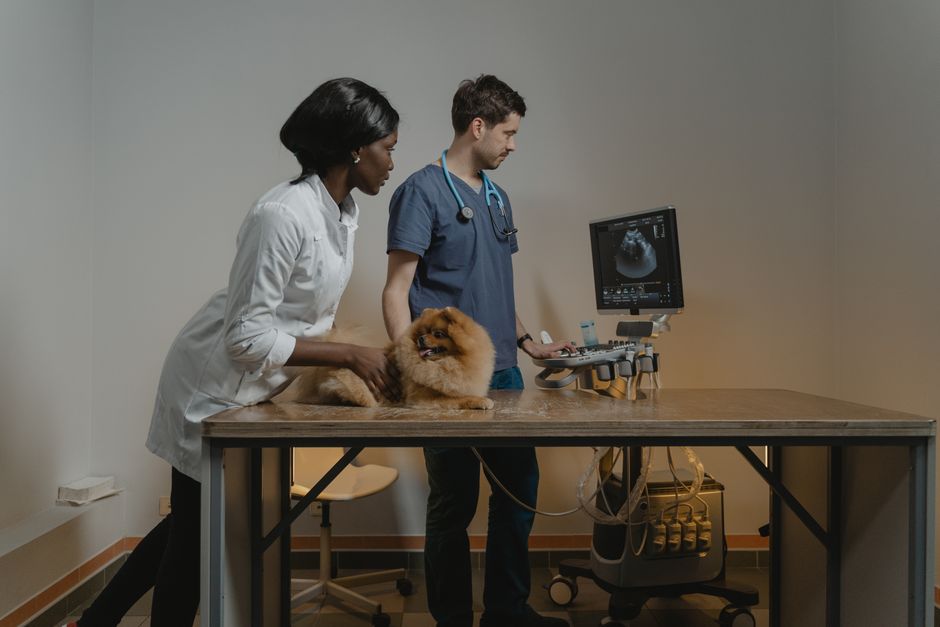
Diagnostic imaging, such as ultrasound and advanced procedures, play a central role in uncovering the cause of your dog’s illness. Abdominal ultrasound can reveal changes in organ structure, masses, or fluid accumulation that are not visible in routine x-rays. Thoracic ultrasound helps evaluate lung and chest conditions, especially when a non-cardiac cause is suspected. When necessary, ultrasound-guided fine needle aspirates allow for the collection of tissue or fluid samples directly from affected areas, improving the accuracy of diagnosis while minimizing discomfort for your dog.
Many complex cases also benefit from additional procedures, such as abdominocentesis or thoracocentesis, which involve removing abnormal fluid from the abdomen or chest for analysis. For even more detailed imaging of specific issues, our collaboration with Mobile Pet Imaging (MPI) provides access to advanced options like CT and fluoroscopy right here in Miami. You can read more about abdominal ultrasound services performed by an ACVIM board-certified specialist and ultrasound-guided fine needle aspirates on our website.
What to Expect: The Diagnostic and Treatment Journey
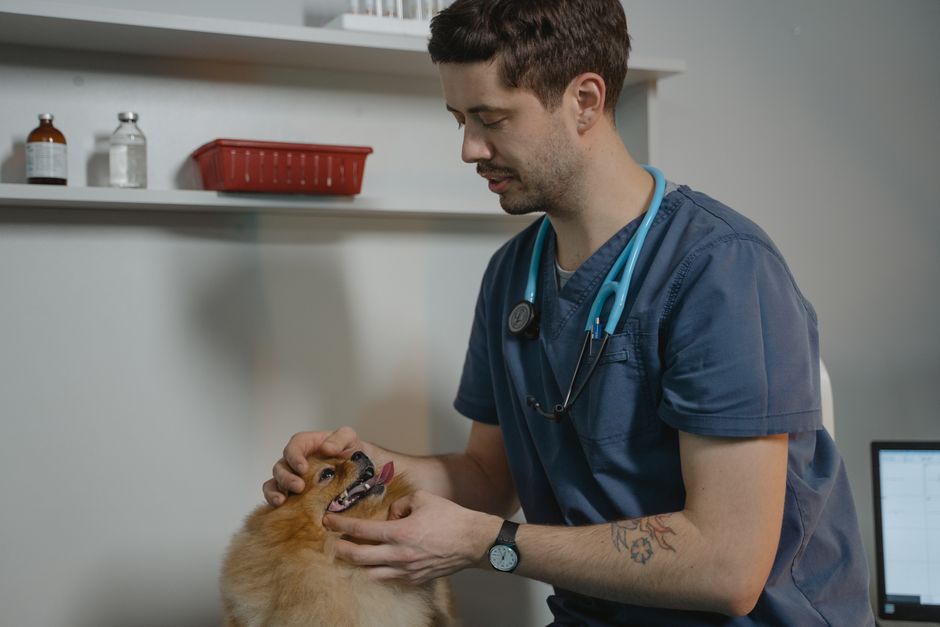
After your dog is evaluated by a canine internal medicine specialist, the next steps are tailored to your pet’s individual needs. The process typically begins with a comprehensive review of your dog’s medical history and a thorough physical examination. Based on the exam and previous records from your primary veterinarian, the specialist will recommend targeted diagnostics to narrow down potential causes. This might include advanced bloodwork, urinalysis, abdominal or thoracic ultrasound, or additional imaging.
If a mass or abnormal tissue is found, the specialist may suggest an ultrasound-guided fine needle aspirate to obtain a sample for microscopic examination. Other procedures, such as abdominocentesis or thoracocentesis, are performed when fluid accumulation is present and needs to be analyzed. Results from these tests are usually available within a few days, and the specialist will discuss findings with you as soon as possible.
Treatment options depend entirely on the diagnosis. Some conditions are best managed with medications, dietary modifications, or supportive care. Others may require more intensive therapies, including hospitalization or collaboration with additional specialists. In all cases, the internal medicine team works closely with you and your primary veterinarian to coordinate ongoing care and monitor your dog’s progress.
Supporting Your Dog at Home: What Pet Owners Can Do
While your dog’s diagnostic and treatment plan will be guided by the veterinary team, there are important ways pet owners can support their dog’s health at home. Closely observe your dog’s appetite, behavior, and bathroom habits, noting any changes or new symptoms. Administer all medications exactly as prescribed and follow dietary recommendations, even if your dog is a reluctant eater. Keep a log of your dog’s symptoms and bring it to each appointment, as this can help the specialist track progress and make adjustments.
It is also helpful to create a calm, comfortable environment for your dog during the diagnostic process and treatment. Reducing stress, maintaining a consistent routine, and offering gentle encouragement can make a big difference in your dog's wellbeing. Do not hesitate to reach out to your veterinary internal medicine team with questions or concerns—your observations and insights are an essential part of your dog’s care.
When to Seek Immediate Veterinary Attention
Certain symptoms should prompt immediate veterinary attention, even if your dog is already under the care of a canine internal medicine specialist. If your dog experiences sudden collapse, persistent vomiting or diarrhea with signs of dehydration, difficulty breathing, uncontrolled pain, or seizures, seek emergency care right away. Rapid changes in your dog’s condition are always a cause for concern and may require urgent intervention.
For ongoing symptoms or questions about whether your dog’s issue is urgent, you can contact your internal medicine team for guidance. Together, you and your specialist can decide the best course of action for your dog's unique situation. Timely communication is key to ensuring the best possible outcome for your pet.
How a Canine Internal Medicine Specialist Helps Your Dog Thrive
Working with a canine internal medicine specialist means giving your dog access to advanced diagnostic tools, specialized expertise, and a collaborative approach to complex health concerns. At The Veterinary Internal Medicine Group, our board-certified veterinarians are dedicated to helping you understand your dog’s condition and supporting you every step of the way. We believe that informed pet owners are empowered to make the best decisions for their dogs, and we are committed to providing clear explanations, compassionate care, and ongoing education about your dog's health.
If you want to learn more about our approach, including what to expect during internal medicine consultations for complex medical problems, or how advanced imaging options through collaboration with MPI can support your dog's diagnosis, we invite you to explore our website or reach out to our team directly.
Preparing for Your Miami Internal Medicine Visit
Before your appointment at The Veterinary Internal Medicine Group, gather all relevant medical records, including recent test results, x-rays, and a list of medications or supplements your dog is taking. Bring a timeline of your dog’s symptoms, as well as any previous treatments that have been attempted. If possible, jot down your most important questions for the canine internal medicine specialist, so you can address them during your visit. Being prepared allows your appointment to focus on finding answers and moving forward with a plan tailored to your dog's needs.
If you are searching for a specialty vet near me in Miami or a canine internal medicine specialist you can trust, our team is here to help. We work closely with both pet owners and primary care veterinarians to ensure a seamless referral experience and the highest standard of care for your dog.
Ready to Find Answers? Contact The Veterinary Internal Medicine Group Today
Navigating a complicated health issue with your dog can be stressful, but you do not have to do it alone. Our board-certified canine internal medicine specialists are ready to guide you through every stage of diagnosis and treatment, providing advanced care with compassion and expertise. If you have questions, want to schedule a consultation, or simply need support, contact The Veterinary Internal Medicine Group in Miami.
Call us at (305) 677-2015 or visit our Miami clinic location to get started. For more information about internal medicine consultations for complex medical problems or details about abdominal ultrasound services performed by an ACVIM board-certified specialist, our veterinary professionals are always here to help your dog feel their best. When you need a specialty vet near me, trust The Veterinary Internal Medicine Group to provide the answers, support, and advanced care your dog deserves.