When Should You See a Dog Internal Medicine Specialist?

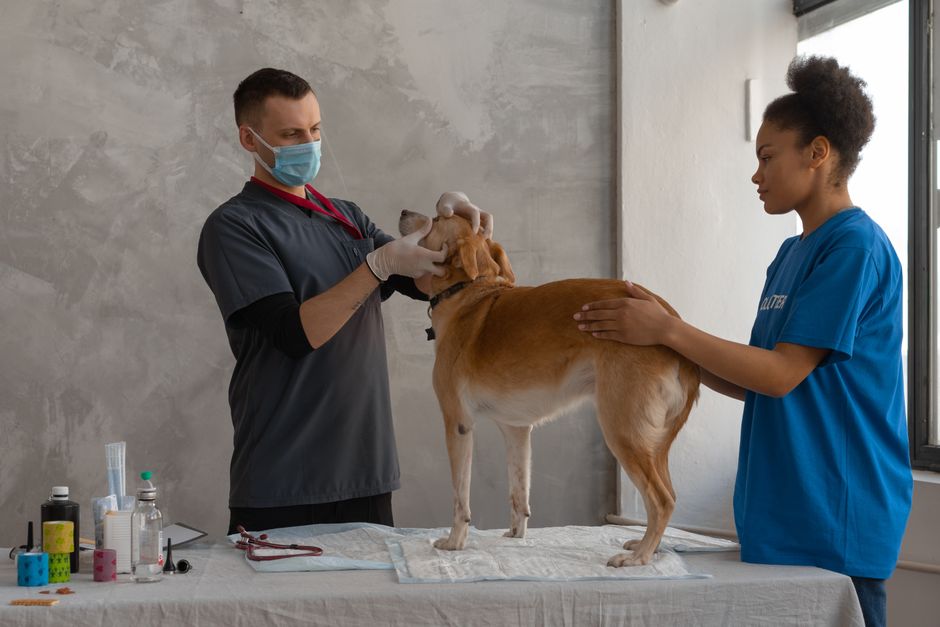
When Should You See a Dog Internal Medicine Specialist?
If your dog is experiencing ongoing health issues, unexplained symptoms, or has a diagnosis that just does not seem to improve, you might be wondering when it is time to see a dog internal medicine specialist. At The Veterinary Internal Medicine Group, located at 12968 Southwest 132nd Avenue, Miami, FL 33186, our board-certified veterinarians are dedicated to helping pet owners in Miami and surrounding communities find answers to the most complex canine health challenges. Whether your general veterinarian has recommended a consult, or you are searching for advanced diagnostics and expert care, our team is here to provide clarity and support when your dog’s health is at stake. This guide will help you recognize the signs that your dog may benefit from a specialist’s expertise, understand the unique role of a dog internal medicine specialist, and know what to expect from the consultation process here in South Florida.
Recognizing When Your Dog Needs an Internal Medicine Specialist
Every dog owner hopes their canine companion will enjoy lifelong health with only the occasional visit for wellness checks and vaccines. However, some dogs develop symptoms that persist despite standard treatments, or face medical problems that require more advanced investigation. Knowing when to seek out a dog internal medicine specialist can make a lifesaving difference for your pet.
Key warning signs include chronic vomiting or diarrhea that does not resolve with basic care, unexplained weight loss, persistent coughing, or difficulty breathing. Dogs that show changes in appetite, increased thirst or urination, constant lethargy, or unexplained fevers may also need further evaluation. Seizures, ongoing skin issues, or repeated infections that do not respond to usual therapies are additional reasons to consider a specialist. If your dog’s condition keeps returning, does not fit the typical pattern, or is affecting multiple organ systems, your general veterinarian may recommend referral to a specialist for advanced diagnostics and tailored treatment.
In Miami’s hot and humid climate, some symptoms such as increased drinking or panting can be easily attributed to the weather, but if these signs are severe or ongoing, they may indicate a more serious underlying medical problem. When in doubt, it is always best to consult your primary care veterinarian about whether a specialty evaluation is appropriate.
What Does a Dog Internal Medicine Specialist Do?
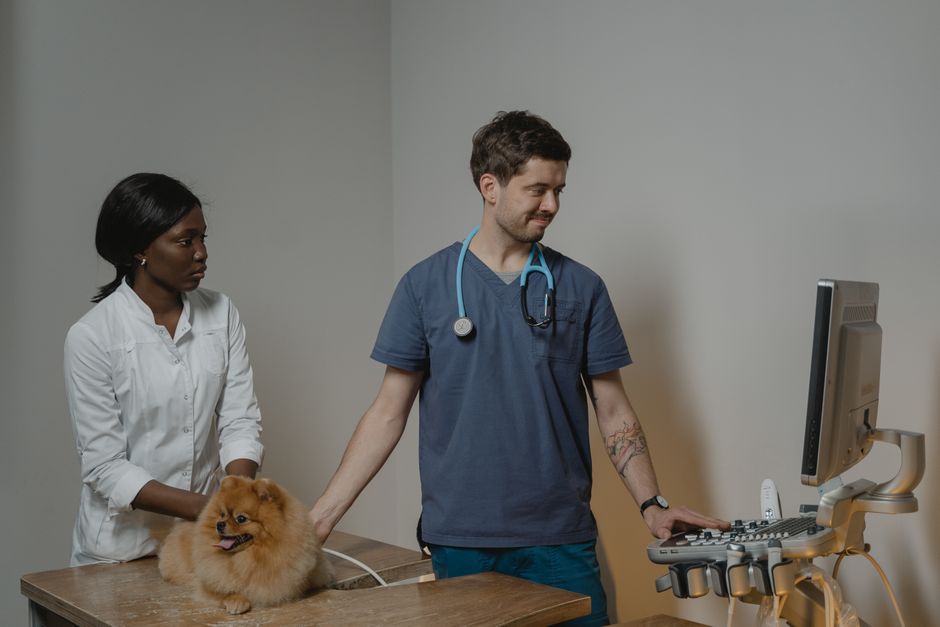
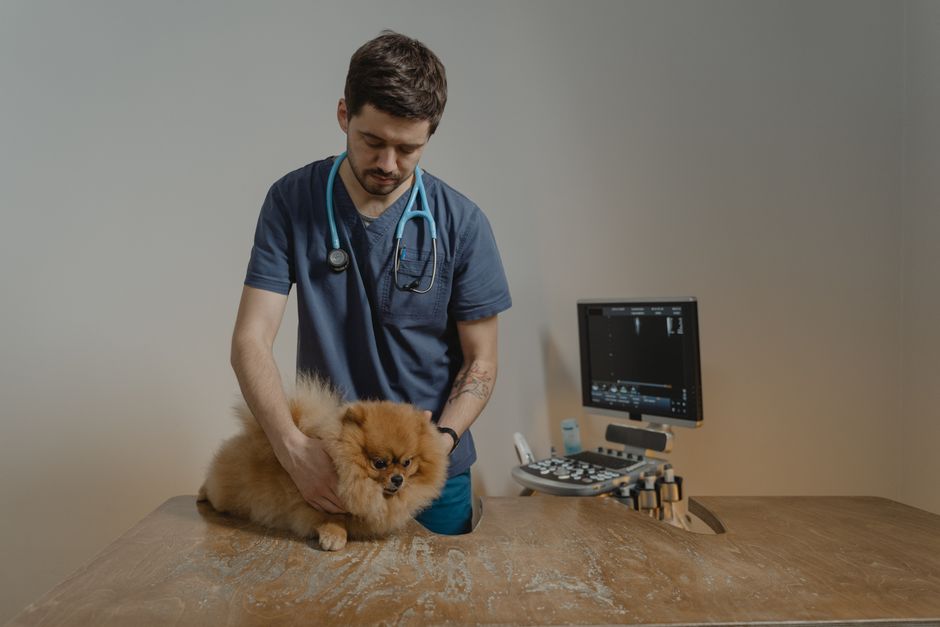
A dog internal medicine specialist is a veterinarian with advanced training and board certification in diagnosing and managing complex medical conditions that affect dogs and other small animals. At The Veterinary Internal Medicine Group, our specialists use state-of-the-art diagnostic tools, including ultrasound services, to visualize organs in real time and identify problems that may not be detected through routine testing.
Internal medicine specialists focus on diseases of the internal organs, including the liver, kidneys, gastrointestinal tract, pancreas, lungs, and endocrine glands. We commonly see cases involving chronic gastrointestinal upset, kidney or liver disease, respiratory issues, immune-mediated diseases, endocrine disorders such as diabetes or Cushing’s disease, and complicated infectious diseases. Our expertise also extends to interpreting advanced imaging, performing minimally invasive procedures such as ultrasound-guided fine needle aspirates, and collaborating with your primary veterinarian for comprehensive care.
When your general veterinarian refers your dog to an internal medicine specialist, it is often because advanced diagnostics or complex treatment planning are needed. This collaborative approach ensures your dog receives the highest level of care tailored to their unique needs.
Advanced Imaging and Diagnostics
One of the hallmarks of specialty veterinary care is access to advanced diagnostic technology. Our team at The Veterinary Internal Medicine Group is equipped to perform detailed abdominal and thoracic ultrasounds, as well as specialized procedures such as abdominocentesis and thoracocentesis. These techniques allow us to obtain critical information about your dog’s health quickly and safely.
When additional imaging is needed, such as CT scans or fluoroscopy, we partner with trusted local providers to ensure seamless care. You can learn more about our advanced imaging options, including CT and fluoroscopy, which enable us to diagnose conditions ranging from tumors to vascular abnormalities with precision.
Laboratory testing, including advanced bloodwork, infectious disease panels, and biopsy interpretation, further enhances our ability to pinpoint the cause of your dog’s symptoms and design a personalized treatment plan.
Understanding the Causes: Why Do Dogs Need a Specialist?
Many factors can contribute to medical conditions that require a dog internal medicine specialist. Some diseases have a genetic component, such as certain autoimmune disorders or metabolic diseases. Environmental factors, including exposure to toxins, infectious agents, or allergens, can also play a role. Miami’s climate presents unique challenges as well, with heat stress, vector-borne diseases, and environmental allergens being more common in this region.
Chronic conditions, such as inflammatory bowel disease, kidney failure, or immune-mediated anemia, often require a level of diagnostic depth and ongoing management beyond what is offered in a general practice setting. In some cases, dogs may develop complications from more routine illnesses, such as severe pancreatitis or persistent infections, that warrant the attention of a specialist.
If your dog is not responding to standard therapies, or if their condition is rare, difficult to diagnose, or involves multiple organ systems, an internal medicine specialist can offer a fresh perspective and a more comprehensive diagnostic approach.
Treatment and Management: What to Expect from Specialty Care
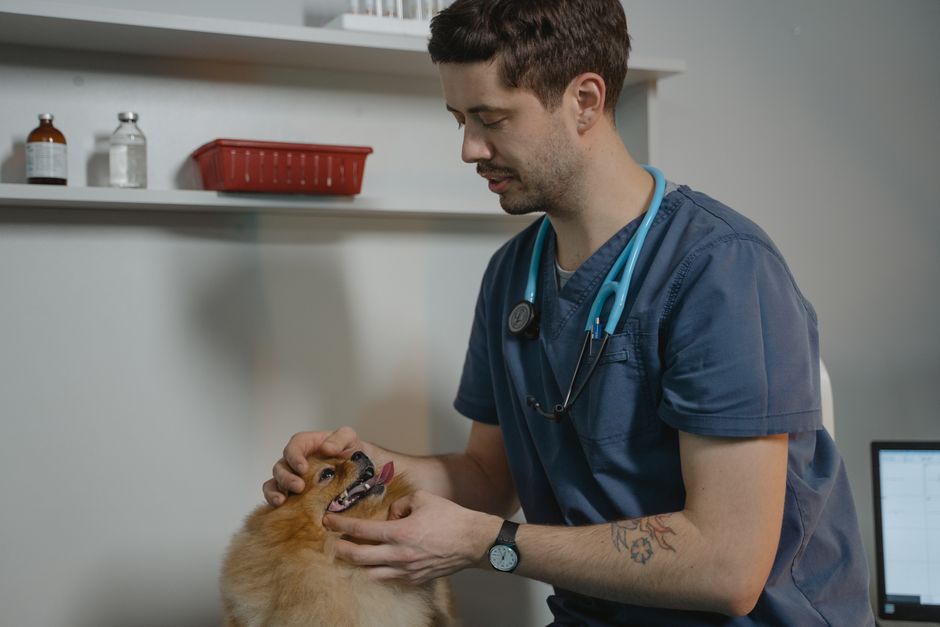
When you bring your dog to The Veterinary Internal Medicine Group, you can expect a thorough and compassionate approach from our veterinary professionals. The process typically begins with a detailed review of your dog’s medical history, previous diagnostics, and current symptoms. Our board-certified specialists will perform a comprehensive physical examination and may recommend internal medicine consults that include advanced diagnostics tailored to your dog’s specific condition.
Treatment approaches involve targeted medical therapy based on a precise diagnosis, which may include specialized medications, dietary management, or immunosuppressive therapies. In some cases, minimally invasive procedures such as ultrasound-guided biopsies or fluid sampling are necessary to confirm a diagnosis or monitor progress.
We work closely with your primary care veterinarian to ensure continuity of care and to develop a long-term management plan that supports your dog’s ongoing health. Throughout the process, our team provides clear communication, ongoing support, and expert guidance tailored to your dog’s unique needs.
What Makes Specialty Care Different?
The primary difference between specialty veterinary care and general practice lies in the depth of expertise and access to advanced diagnostic and therapeutic tools. Our team’s experience with rare and complex diseases allows us to recognize subtle signs, interpret challenging test results, and design treatment plans that are evidence-based and highly individualized. We also provide access to specialty equipment and procedures not typically available in standard veterinary clinics.
Prevention and Support at Home
While not all complex conditions can be prevented, there are steps you can take at home to support your dog’s health and minimize risks. Regular wellness visits with your primary veterinarian help catch early changes; prompt attention to new or worsening symptoms is essential. Providing a balanced diet, maintaining a healthy weight, ensuring your dog is on parasite prevention, and keeping vaccinations current are all important preventive measures.
For dogs with chronic illnesses or a history of complex health problems, closely monitoring their energy level, appetite, water intake, and bathroom habits can provide early clues if something is wrong. Always communicate changes to your veterinary team promptly. If your dog is under the care of an internal medicine specialist, follow prescribed treatment plans and attend all recommended recheck appointments to optimize their long-term health.
When to Seek Veterinary Care: Clear Guidelines for Dog Owners
Deciding when to move from general veterinary care to specialty care can feel overwhelming, but certain scenarios make a visit to a dog internal medicine specialist especially important. If your dog’s symptoms are not improving, are getting worse, or are affecting their quality of life despite treatment, it is time to ask your primary veterinarian about specialty referral.
Other situations include receiving a diagnosis of a chronic or life-threatening disease, having test results that are inconclusive, or facing repeated hospitalizations for the same issue. When advanced imaging, complex laboratory testing, or minimally invasive procedures are needed for diagnosis or management, a specialist’s expertise becomes essential.
If you are searching for a “specialty vet near me” in Miami or the surrounding area, The Veterinary Internal Medicine Group is here to help. Our team is committed to providing timely access to expert diagnostics and compassionate care for even the most challenging canine health problems.
Specialty Expertise for Your Dog in Miami
At The Veterinary Internal Medicine Group, we understand that facing an uncertain diagnosis or a chronic health issue in your dog can be stressful and emotional. Our board-certified specialists are here to partner with you and your primary veterinarian, offering advanced diagnostic imaging, comprehensive internal medicine consults, and individualized treatment plans that give your dog the best chance for recovery and comfort. Whether you are in Miami or a nearby community, our veterinary professionals are dedicated to helping you navigate complex medical decisions with confidence.
If you think your dog may benefit from a dog internal medicine specialist, do not wait for symptoms to worsen. Reach out to our team to schedule a consult or ask your primary veterinarian for a referral. You can call us at (305) 677-2015 or visit us at 12968 Southwest 132nd Avenue, Miami, FL 33186. When searching for a specialty vet near me, trust the experts who put your dog’s health and comfort first.
This article is intended for informational purposes only and should not replace professional veterinary advice. Always consult your veterinarian for specific medical concerns regarding your dog.