When to See a Canine Internal Medicine Specialist in Miami

When to See a Canine Internal Medicine Specialist in Miami
Deciding when your dog needs the expertise of a canine internal medicine specialist can feel overwhelming, especially when symptoms are vague or persistent. As a devoted pet owner, you want answers and relief for your dog, especially if routine veterinary visits have not resolved ongoing health concerns. At The Veterinary Internal Medicine Group in Miami, our dedicated team focuses on advanced diagnostics and specialized care for complex canine medical conditions. In this blog, we will guide you through the signs that may signal your dog needs a referral to a canine internal medicine specialist, explain the diagnostic approach—including advanced ultrasound and imaging—and help you understand what to expect when seeking specialty care for your pet.
If you are searching for answers about your dog's chronic illness or unexplained symptoms, our board-certified veterinarians are here to support you with advanced technology and deep expertise. We proudly serve Miami and surrounding communities from our 12968 Southwest 132nd Avenue, Miami, FL 33186, combining compassion with specialized knowledge to help your pet feel better.
Recognizing When Your Dog Needs a Canine Internal Medicine Specialist
Many pet owners wonder when it is time to move beyond general veterinary care and consult a canine internal medicine specialist. The answer often lies in the complexity, duration, or severity of your dog's symptoms. Key signs that may prompt a referral include unexplained weight loss, chronic vomiting or diarrhea, persistent coughing, labored breathing, ongoing lethargy, or changes in appetite that do not resolve with routine treatment. Additionally, dogs with abnormal laboratory results, such as elevated liver enzymes, kidney values, or unusual bloodwork patterns, may benefit from the advanced diagnostic capabilities of a specialist.
If your family veterinarian suspects an underlying systemic disease—such as immune-mediated disorders, complex hormonal conditions, or cancer—your dog may need more advanced imaging or tissue sampling that general practices cannot provide. The expertise of a canine internal medicine specialist can be crucial for diagnosing and managing these challenging cases.
Why Do Dogs Need Advanced Internal Medicine Care?
Underlying causes for complicated or persistent symptoms can range from gastrointestinal diseases, such as inflammatory bowel disease or pancreatitis, to endocrine disorders like Cushing’s disease or Addison’s disease. Autoimmune conditions, infectious diseases, and certain types of cancer also frequently require advanced diagnostics and a collaborative approach.
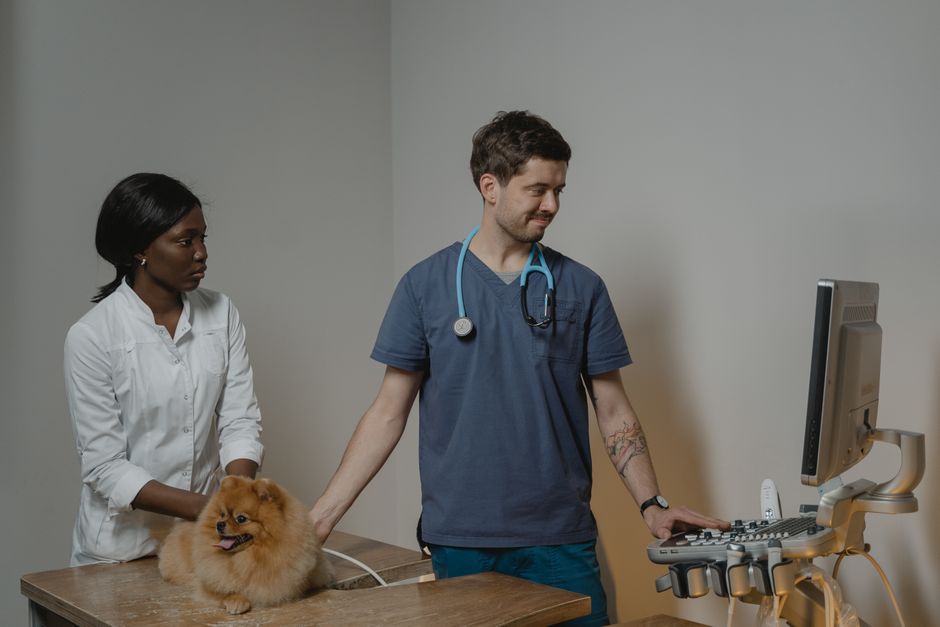
Some conditions, such as chronic respiratory problems or undiagnosed abdominal pain, may not show up clearly on routine x-rays or physical exams. In these situations, specialized techniques—including abdominal ultrasound performed by an ACVIM board-certified veterinary specialist—can reveal changes in organs, tissues, or blood vessels not otherwise visible. These advanced tools help pinpoint the underlying cause and guide targeted treatment plans for your dog.
How a Canine Internal Medicine Specialist Approaches Diagnosis
At The Veterinary Internal Medicine Group, our approach to diagnosing complex canine health issues begins with a detailed consultation and thorough review of your dog's history. We collaborate closely with your primary care veterinarian to ensure all previous findings and treatments are considered. During your visit, our veterinary professionals may recommend a combination of advanced diagnostics, including ultrasound, bloodwork, urinalysis, or even specialized procedures such as ultrasound-guided fine needle aspirates to evaluate abnormal tissues or masses.
For certain cases, our team can also perform non-cardiac thoracic ultrasounds to assess the lungs and chest cavity, or collaborate with imaging partners to provide CT and fluoroscopy when needed. Each diagnostic step is carefully chosen based on your dog's individual symptoms and clinical findings, ensuring a focused and efficient path to answers.
What to Expect During a Specialist Consultation
When you arrive for an internal medicine consult, our veterinary team will spend time discussing your dog's medical history, recent symptoms, and any previous treatments. The consultation process is designed to be thorough, so please bring any medical records, lab results, or imaging studies from your primary veterinarian. After a detailed examination, our specialists will explain the recommended diagnostic steps, potential outcomes, and what options are available for your dog.
We understand that facing a complex diagnosis can be stressful for pet owners. Our goal is to provide clear communication, answer your questions, and support you throughout the diagnostic process so you feel confident about your dog’s care.
Treatment and Management Options for Complex Canine Conditions
Once a diagnosis has been made, the treatment plan for your dog will be tailored to their specific needs. Management of chronic or intricate conditions may involve a combination of medications, dietary adjustments, periodic monitoring, and sometimes minimally invasive procedures. For example, dogs with inflammatory bowel disease might require immunosuppressive therapy and specialized nutrition, while those with endocrine disorders may need lifelong medication and routine bloodwork checks.
If your dog is diagnosed with certain types of tumors or masses, our team can discuss the role of ultrasound-guided fine needle aspirates or other sampling techniques to gain more information and guide treatment choices. In some cases, referral for advanced imaging such as CT scans—facilitated through our collaboration with imaging specialists—may be recommended for surgical planning or monitoring.
Throughout your dog’s care, we maintain close communication with your primary veterinarian to ensure continuity and a comprehensive approach to your pet’s health.
Home Care and Prevention: Supporting Your Dog Between Visits
While many complex illnesses require professional intervention, there are meaningful steps you can take at home to support your dog’s health. Monitoring your dog’s weight, appetite, energy level, and stool quality can help you and your veterinary team track progress or identify setbacks. Administer all prescribed medications exactly as directed and keep a log of any changes in your dog’s condition. For chronic conditions, follow-up appointments are essential to adjust treatment as needed and prevent complications.
Feeding your dog a balanced, veterinarian-recommended diet and maintaining regular exercise can also support immune function and overall wellbeing. It is important to avoid over-the-counter supplements or changes in diet without consulting your veterinary team, as some products can interact with medications or worsen certain illnesses.
When to Seek Professional Veterinary Care
It is vital to recognize when your dog’s symptoms require immediate attention from a veterinary professional. Seek prompt care if your dog experiences sudden weakness, collapse, difficulty breathing, unrelenting vomiting or diarrhea, or signs of severe pain. Even less urgent but persistent issues—such as gradual weight loss, ongoing coughing, or changes in drinking and urination patterns—warrant evaluation by your primary care veterinarian, who can then determine if referral to a canine internal medicine specialist is appropriate.
The sooner your dog receives an accurate diagnosis and targeted treatment, the better their chances for a successful outcome and improved quality of life. Our specialists are always available to consult on difficult cases and provide advanced diagnostic options to help your dog get the care they need.
Why Choose The Veterinary Internal Medicine Group in Miami?
Navigating complex health challenges in your dog is never easy, but you do not have to do it alone. At The Veterinary Internal Medicine Group, we are dedicated to partnering with both pet owners and referring veterinarians to deliver expert, compassionate care for dogs with chronic or unusual conditions. Our clinic at 12968 Southwest 132nd Avenue, Miami, FL 33186 is equipped with cutting-edge technology, including advanced abdominal ultrasound, thoracic ultrasound, and the ability to perform a range of minimally invasive diagnostic procedures.
We believe in transparent communication, education, and individualized care, so you always know what to expect throughout your dog’s journey. For more information about what specialty care involves, explore our educational resources on veterinary specialists and board certification.
Take the Next Step: Schedule a Consultation with a Canine Internal Medicine Specialist Near You
If your dog is struggling with chronic symptoms or your veterinarian has recommended advanced diagnostics, now is the time to seek help from a canine internal medicine specialist in Miami. Our experienced veterinary professionals will work with you to identify the root cause of your dog’s illness and create a personalized treatment plan. When you are searching for a specialty vet near me, choose a team with the training, technology, and compassion to deliver the answers your pet deserves.
Contact The Veterinary Internal Medicine Group today at (305) 677-2015 to schedule your consultation or visit us at 12968 Southwest 132nd Avenue, Miami, FL 33186. Your dog’s health and comfort are our highest priorities. For complex cases and advanced diagnostics, trust our team to be your partner in specialty care.
This article is for informational purposes only and should not replace professional veterinary advice. If your dog is experiencing severe symptoms, seek immediate veterinary attention.