What To Expect From Specialty Miami Veterinary Services
What To Expect From Specialty Miami Veterinary Services
When your cat or dog faces a complex health problem, you want answers and reassurance from true experts. Specialty Miami veterinary services, like those at The Veterinary Internal Medicine Group, are designed to help pet owners who need advanced diagnostics and internal medicine expertise. If you have ever found yourself searching for detailed information about what happens during a specialty consultation or how an ultrasound can provide clarity for your pet’s mysterious symptoms, this miami veterinary services blog is for you. Located at 12968 Southwest 132nd Avenue, Miami, FL 33186, our board-certified internal medicine specialist serves Miami and surrounding communities, providing advanced imaging, diagnostic procedures, and comprehensive consults to help solve the toughest health puzzles in dogs and cats. In this blog, you will learn when specialty care is needed, what to expect during the process, and how our specialized team supports you and your pet every step of the way.
Recognizing When Your Pet Needs Specialty Veterinary Care
Pet owners are often the first to notice subtle changes in their cat or dog’s behavior or appearance. Sometimes, these changes are addressed through routine visits with your general veterinarian. However, there are times when more advanced expertise is required. Signs that your pet may benefit from a specialty consultation include recurring digestive issues that do not resolve with standard treatment, unexplained weight loss, persistent coughing or breathing difficulty, abnormal bloodwork, or ongoing fevers. Other instances involve finding a lump or bump, unexplained pain, or symptoms that simply do not have a clear cause.
If your veterinarian has recommended more advanced diagnostics, such as an ultrasound, or referred you to an internal medicine specialist, it is usually because your pet’s health concerns require deeper investigation. Specialty veterinary teams focus on uncovering the underlying causes of complex or chronic illnesses, using a combination of advanced technology and years of focused medical experience. For more details about what an internal medicine consultation involves, you can explore our internal medicine consultations page.
Understanding the Causes Behind Complex Pet Health Problems
Complex health conditions in cats and dogs can arise from a variety of sources. Chronic illnesses such as liver disease, kidney dysfunction, diabetes, or immune-mediated disorders often present with vague or overlapping symptoms. In some cases, infectious diseases or hidden cancers can be the culprit. Environmental exposures, breed-specific conditions, or age-related changes may also play a role in why your pet is experiencing ongoing symptoms.
A general practice veterinarian is excellent for preventive care, vaccines, and addressing straightforward issues, but certain cases call for a deeper look. Specialty veterinary care is centered on diagnosing and managing these tough cases. With access to specialized imaging such as abdominal ultrasound, CT scans, or fluoroscopy, as well as procedures like ultrasound-guided fine needle aspirates, specialists can pinpoint the exact source of your pet’s illness. This approach minimizes guesswork and allows for a more targeted treatment plan. You can read about the different advanced diagnostics available at our clinic, including ultrasound and advanced imaging options, to better understand your options.
What Happens During a Specialty Veterinary Visit in Miami
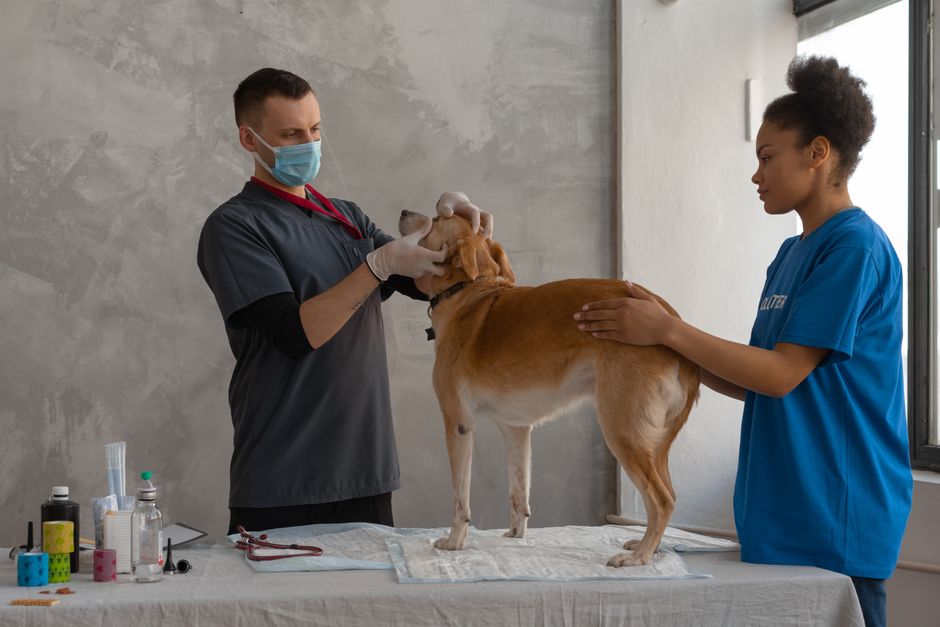
When your cat or dog visits The Veterinary Internal Medicine Group, the experience is different from a routine veterinary appointment. Our internal medicine specialist reviews your pet’s medical records, history, and previous test results to get a comprehensive picture of the case. The visit typically begins with a detailed discussion about your pet’s symptoms, behaviors, and any changes you have observed at home. This conversation allows our veterinary professionals to tailor the diagnostic plan to your pet’s specific needs.
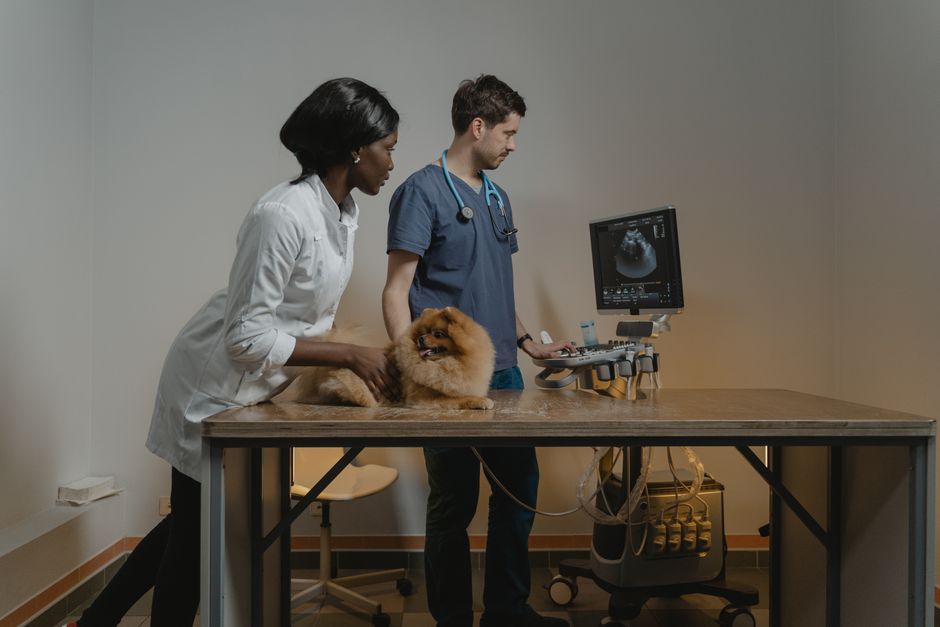
Physical examination is usually followed by advanced imaging or diagnostic procedures as indicated. For example, an abdominal ultrasound may be performed to evaluate internal organs in real time, providing detailed information about the liver, kidneys, pancreas, gastrointestinal tract, and more. If an abnormal mass or lesion is found, an ultrasound-guided fine needle aspirate may be recommended to collect cells for laboratory analysis. In some situations, thoracic ultrasound can help assess the chest and lungs for non-cardiac issues. Other specialty diagnostic procedures, such as abdominocentesis or thoracocentesis, may be used to obtain samples of fluid if needed.
Throughout the process, our veterinary team emphasizes clear communication and same-day explanations whenever possible. You will receive a summary of findings, potential diagnoses, and personalized recommendations so you can make informed decisions for your pet’s care.
Advanced Diagnostic Tools: How They Help
Specialty Miami veterinary services are distinguished by their use of cutting-edge diagnostic tools. Abdominal ultrasound is a non-invasive way to examine your pet’s internal organs in detail. Unlike X-rays, ultrasound uses sound waves to create images in real time, enabling the specialist to assess organ structure, blood flow, and even guide sampling procedures with precision.
For particularly challenging cases, advanced imaging options like CT and fluoroscopy—available through collaboration with local partners—can be recommended. These technologies allow for three-dimensional imaging and dynamic studies, which are especially valuable for diagnosing certain cancers, vascular conditions, or complex internal injuries. If your veterinarian suspects a rare or difficult-to-diagnose issue, these advanced tools can provide the clarity needed to move forward with confidence.
Treatment and Management: What to Expect After a Diagnosis
Once a diagnosis is made, the internal medicine specialist will develop a tailored treatment plan for your pet. Management strategies might include specialized medications, dietary adjustments, or minimally invasive procedures. In some cases, ongoing monitoring with repeat ultrasounds or laboratory tests is necessary to track your pet’s progress and adjust the plan as needed.
Collaboration is key in specialty care. Our team works closely with your primary care veterinarian to ensure continuity and consistency in your pet’s treatment. If hospitalization or referral for surgery is required, we will guide you through the process and answer all your questions along the way.
Additionally, our commitment to pet owner education means you will always understand the reasoning behind treatment choices and what to watch for at home. For those interested in learning more about specialty veterinary medicine and when it is appropriate for their pet, our specialty vet care education page offers valuable information.
Preventing Complications and Supporting Your Pet at Home
While not every complex health issue can be prevented, there are steps you can take to support your cat or dog’s overall well-being. Regular wellness visits with your general veterinarian help catch changes early, allowing for timely referral to a specialist if needed. Monitoring your pet for subtle symptoms—such as decreased appetite, changes in thirst or urination, coughing, vomiting, or behavioral shifts—can help you seek help before a condition becomes advanced.
At home, keeping a symptom diary can be invaluable. Note changes in eating habits, weight, energy level, and any unusual behaviors. Sharing this information with your veterinary team provides crucial context for making the right decisions. Make sure to follow medication instructions closely, provide recommended diets, and keep up with any scheduled rechecks or imaging appointments. Early intervention leads to better outcomes in most internal medicine cases, so do not hesitate to reach out if you notice new or worsening signs.
When to Seek Specialty Veterinary Care
If your pet is not improving despite treatment, is experiencing a sudden worsening of chronic symptoms, or has been referred by your primary care veterinarian for advanced diagnostics, it is time to consider a specialty consultation. Immediate attention is especially important if your pet is having trouble breathing, collapses, has persistent vomiting or diarrhea, or appears to be in severe pain. Specialty veterinary teams are equipped to evaluate these urgent and complicated cases with advanced tools and experience.
Remember, specialty Miami veterinary services are not just for rare diseases or emergencies. Many chronic conditions, such as diabetes or inflammatory bowel disease, benefit from a specialist’s oversight to ensure your pet receives the most effective and up-to-date treatments. You are your pet’s best advocate; trust your instincts and seek expert help when you feel something is not right.
Why Choose The Veterinary Internal Medicine Group for Your Pet
Choosing The Veterinary Internal Medicine Group for your pet’s specialty care means partnering with an experienced, board-certified internal medicine specialist who is dedicated to finding answers and providing compassionate support. Our advanced diagnostics—including abdominal ultrasound, internal medicine consults, and collaborative imaging options—are all offered from our convenient Miami location. We understand that facing a complex pet health problem can be overwhelming, but you are never alone in the process.
If you are in Miami or the surrounding communities and searching for a specialty vet near me, our veterinary team is here to help guide you through every step of your pet’s diagnostic and treatment journey. We invite you to schedule a specialty consultation or call us at (305) 677-2015 for more information. Your pet’s health and comfort are our highest priorities, and we are honored to be your trusted resource for specialty Miami veterinary services. For directions to our clinic, visit 12968 Southwest 132nd Avenue, Miami, FL 33186.
This miami veterinary services blog is intended for informational purposes only and should not replace individualized advice from your veterinarian. If your pet is experiencing a medical emergency, seek immediate care.