How a Canine Internal Medicine Specialist Helps Sick Pets

How a Canine Internal Medicine Specialist Helps Sick Pets
When your dog or cat faces a health problem that seems complicated or hasn’t improved with standard treatments, it’s natural to feel anxious and want answers. That’s where a canine internal medicine specialist comes in. At The Veterinary Internal Medicine Group in 12968 Southwest 132nd Avenue, Miami, FL 33186, we provide board-certified expertise for challenging health issues in pets. Many Miami pet owners turn to our team when their family veterinarian recommends advanced diagnostics like ultrasound or a second opinion for persistent illness. In this blog, you’ll learn how a canine internal medicine specialist can help your dog or cat, what symptoms signal the need for a referral, and how our advanced diagnostic services bring clarity and peace of mind. We’ll also explain what to expect from your visit and how our compassionate approach supports both you and your pet throughout the process. If you’re seeking clarity for your pet’s unresolved health issue, you’re in the right place to understand how specialized care can make a difference.
Recognizing When Your Pet Needs a Canine Internal Medicine Specialist
It can be difficult to know when a health concern moves beyond the scope of routine veterinary care. Persistent symptoms that resist standard treatments, repeated illnesses, or vague signs like weight loss and lethargy often signal deeper issues. Pet owners commonly notice that their dog or cat has been losing weight for several weeks, is drinking and urinating more than usual, or has experienced vomiting and diarrhea that doesn’t fully resolve. Sometimes, a family veterinarian will detect abnormal bloodwork, such as elevated liver enzymes or unusual kidney values, prompting the need for more in-depth evaluation. Other warning signs include unexplained coughing, chronic sneezing, difficulty breathing, or a persistent fever that hasn’t responded to typical medications.
A canine internal medicine specialist is trained to investigate these complex cases, using advanced diagnostic tools to pinpoint underlying diseases affecting organs such as the liver, kidneys, pancreas, gastrointestinal tract, or respiratory system. If your pet’s symptoms linger despite multiple treatments, or if your veterinarian mentions the need for advanced imaging or further testing, seeking a referral to a specialist can be the next best step for your pet’s health.
Understanding the Causes: Why Complex Illnesses Happen
Internal medicine specialists are equipped to address a wide range of diseases that often have subtle or overlapping symptoms. Conditions such as immune-mediated diseases, chronic infections, endocrine disorders like diabetes or Cushing’s disease, and cancers of the organs can all present with similar outward signs. In South Florida’s warm, humid climate, certain infectious diseases or environmental exposures may also play a role in a pet’s illness. Additionally, breed predispositions can make some dogs or cats more likely to develop chronic liver or kidney issues, gastrointestinal diseases, or hormonal imbalances.
The challenge for pet owners is that many of these diseases don’t have obvious symptoms until they are advanced. Early detection through advanced diagnostics is key, which is why your family veterinarian might recommend an internal medicine consult if routine tests don’t provide all the answers. At The Veterinary Internal Medicine Group, our board-certified specialists use collaborative problem-solving and state-of-the-art equipment to uncover the true cause of your pet’s health problems.
How a Canine Internal Medicine Specialist Approaches Diagnosis and Treatment
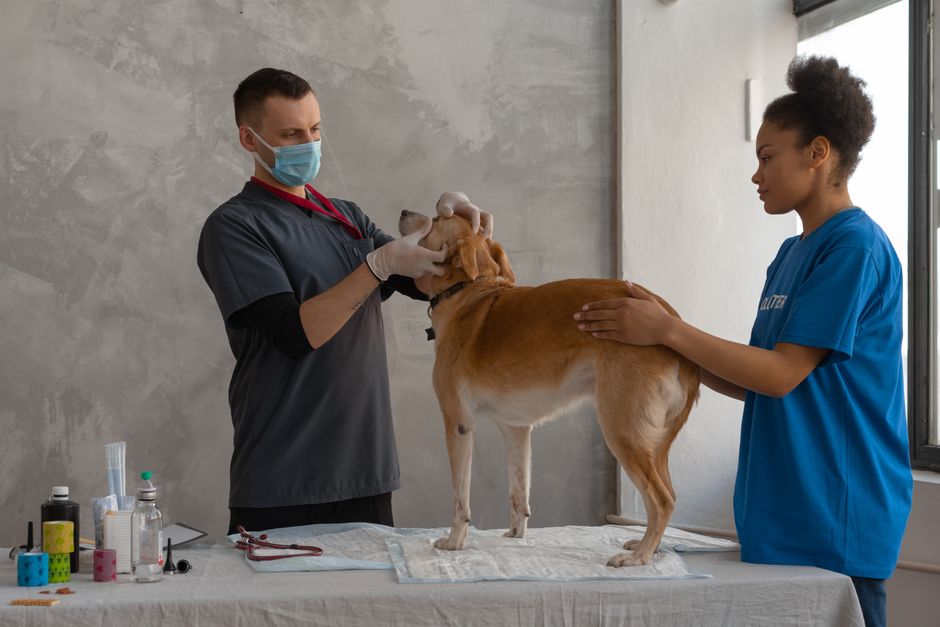
When your pet is referred to a canine internal medicine specialist, the process begins with a detailed medical history and a thorough physical examination. Our internal medicine consultations provide same-day findings, next-step recommendations, and a comprehensive written report so you and your family veterinarian are always informed.
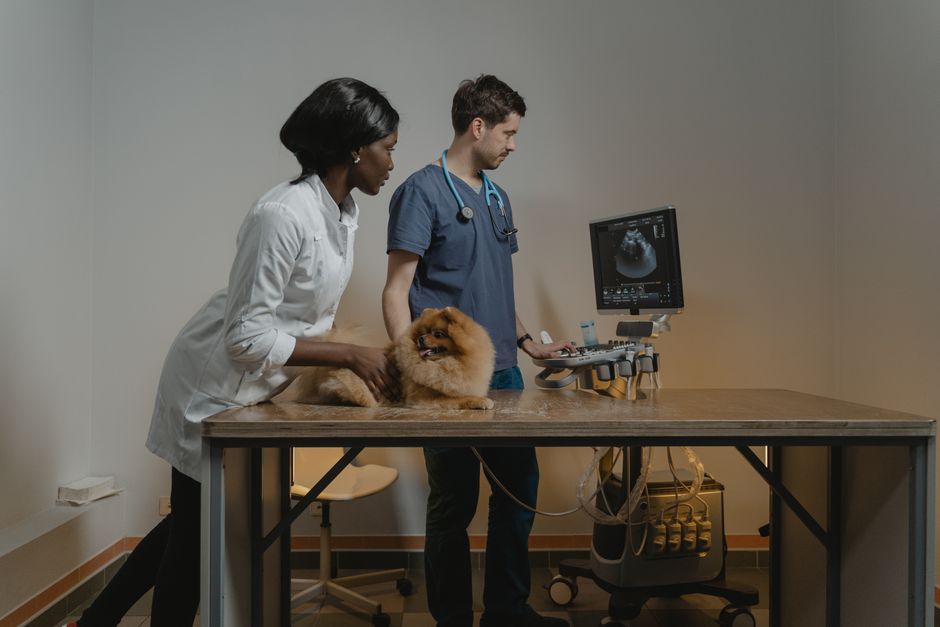
Advanced diagnostics are at the heart of what we do. For many cases, abdominal ultrasound services allow us to visualize internal organs in real time, guiding us toward a diagnosis without invasive surgery. If an abnormal area is seen, ultrasound-guided fine needle aspirate procedures may be recommended to collect a small sample from the organ or mass for further analysis. In other situations, our team may suggest specialized procedures such as abdominocentesis (removing fluid from the abdomen), thoracocentesis (removing fluid from the chest), or pericardiocentesis (removing fluid from the sac around the heart), which are performed safely and efficiently by our board-certified veterinarians.
For certain complex cases, we collaborate with imaging partners to provide advanced imaging options, including CT and fluoroscopy, bringing even greater diagnostic precision. Treatment approaches depend on the diagnosis and may involve tailored medication regimens, dietary management, or coordination with other specialists if surgery or oncologic care is needed. Throughout the process, our veterinary team keeps you informed and supported, ensuring you understand each step and what it means for your pet’s long-term health.
What to Expect During Your Visit
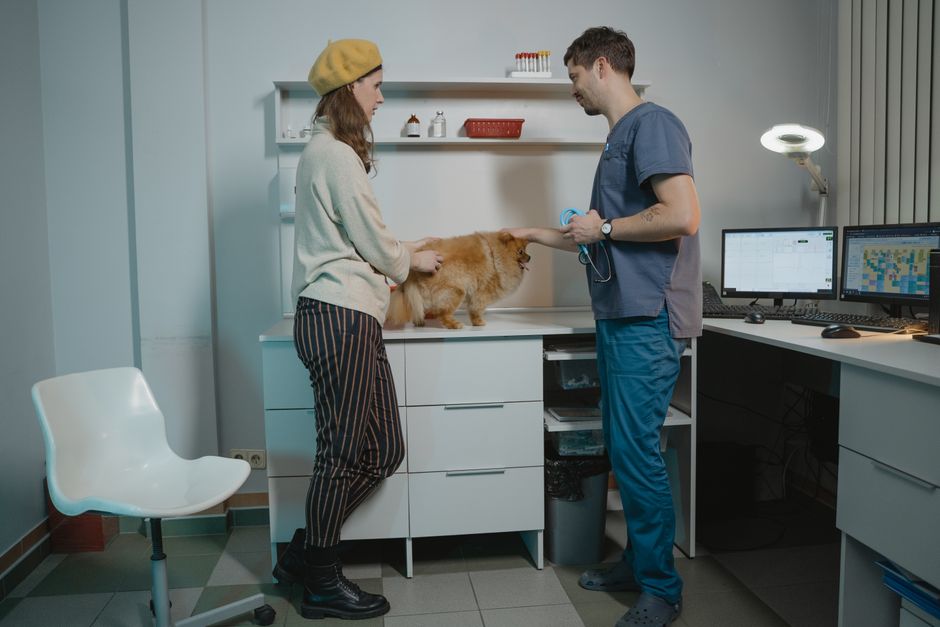
Your initial visit with a canine internal medicine specialist typically lasts longer than a standard veterinary appointment. We review your pet’s complete medical history, discuss previous test results, and listen carefully to your observations and concerns. Our veterinarians will explain all diagnostic recommendations and answer any questions you may have, ensuring you feel confident in the plan moving forward. Because many tests are performed on-site, you can often receive preliminary results the same day, allowing for prompt decision-making and peace of mind.
Home Care and Prevention: Supporting Your Pet Between Visits
While some internal medicine conditions can’t be prevented, early detection and proactive home care play a crucial role in your pet’s overall health. Monitoring your dog or cat for changes in appetite, water consumption, urination, bowel habits, and energy levels can help identify problems before they become severe. Keeping a health journal, especially if your pet is undergoing treatment for a chronic illness, allows you to track trends and share valuable information with your veterinary team.
At home, administering medications as prescribed, following dietary recommendations, and bringing your pet for recommended follow-up visits are all essential steps. If your pet has a chronic condition, such as diabetes or kidney disease, we will provide detailed instructions on home management and what changes to watch for. For digestive concerns, you can use resources like our gastrointestinal health tracker to monitor symptoms and share updates with our specialists.
It’s important to remember that while home care is valuable, it does not replace the need for advanced diagnostics and professional monitoring in complex cases. If you notice sudden changes in your pet’s condition, such as difficulty breathing, collapse, severe vomiting or diarrhea, or signs of pain, contact your family veterinarian or emergency clinic immediately.
When to Seek Veterinary Specialty Care
Knowing when to seek the help of a canine internal medicine specialist can be the key to faster answers and better outcomes for your pet. If your dog or cat has ongoing symptoms that do not respond to standard treatments, such as persistent weight loss, abdominal swelling, repeated infections, unexplained fevers, or chronic respiratory issues, a specialty referral is often warranted. Additionally, if your veterinarian identifies concerning findings on bloodwork, x-rays, or other routine tests, advanced evaluation may uncover treatable conditions that would otherwise go undiagnosed.
For pet owners in Miami and surrounding communities, The Veterinary Internal Medicine Group is here to support both you and your family veterinarian with board-certified expertise, compassionate care, and the most advanced diagnostics available. If you find yourself searching for a "specialty vet near me" because your pet’s illness seems complex or unresolved, our team is ready to help you find answers and a clear treatment plan.
Why Choose The Veterinary Internal Medicine Group for Your Pet
Entrusting your dog or cat to a canine internal medicine specialist means choosing a team dedicated to solving the most challenging health problems with both skill and empathy. Our board-certified veterinarians collaborate closely with your primary care veterinarian, ensuring seamless communication and continuity of care. We are committed to keeping you informed at every stage and providing the support you need to navigate difficult diagnoses. Pet owners from Miami and neighboring areas rely on our advanced technologies, from ultrasound and ultrasound-guided fine needle aspirates to CT and fluoroscopy imaging, for answers that lead to better outcomes.
If you are searching for a canine internal medicine specialist in Miami or need a specialty vet near me, The Veterinary Internal Medicine Group is here to help. Schedule an internal medicine consultation by calling (305) 677-2015 or visit us at 12968 Southwest 132nd Avenue, Miami, FL 33186. Our veterinary team is dedicated to providing the answers, care, and compassion your pet deserves. For more information about our services, including internal medicine consults and advanced diagnostics, explore our website or reach out to our knowledgeable team. Your pet’s health is our top priority, and we look forward to partnering with you on the path to recovery and well-being.