How a Veterinary Internal Medicine Specialist Diagnoses Hidden Pet Illnesses
How a Veterinary Internal Medicine Specialist Diagnoses Hidden Pet Illnesses
When your pet just isn’t getting better, even after multiple trips to the veterinarian, it’s natural to feel worried and frustrated. Many South Florida pet owners face this situation, especially during Miami’s hot, humid summers when underlying conditions can worsen. At The Veterinary Internal Medicine Group, located at 12968 Southwest 132nd Avenue, Miami, FL 33186, our board-certified veterinary internal medicine specialist offers advanced diagnostics and expert consultation for those challenging cases that standard testing just can’t explain. This blog will explore how specialty expertise—paired with tools such as ultrasound and collaborative imaging—can uncover the root causes of hidden pet illnesses, why you might need a specialist, and how our team works alongside your family veterinarian for the best possible outcome.
If you’ve been searching for answers, or if your dog or cat’s mysterious symptoms seem to defy easy solutions, understanding what a veterinary internal medicine specialist does could be the key to restoring your pet’s health and your peace of mind. We’ll guide you through the signs that it’s time to seek specialty care, the advanced diagnostic process, and what to expect when you trust your pet’s health to a team dedicated to solving complex medical mysteries.
Recognizing When Your Pet Needs an Internal Medicine Specialist
Many health problems in dogs and cats are straightforward, responding quickly to standard treatments. However, some conditions linger or return, leaving pet owners feeling helpless. Recognizing when your pet’s illness might require the attention of a veterinary internal medicine specialist is an important step toward getting answers.
Key signs that suggest a hidden illness include symptoms such as persistent vomiting or diarrhea, unexplained weight loss, chronic coughing, increased drinking and urination, or changes in appetite that cannot be explained by routine wellness exams. Other red flags involve recurring infections, unusual bleeding, ongoing lethargy, or lab results that don’t match your pet’s clinical signs. In Miami’s heat, conditions like kidney or liver disease, endocrinopathies, and immune-mediated disorders can escalate quickly and may not show obvious symptoms until they become severe. If your family veterinarian has tried multiple treatments without lasting improvement, or if your pet’s bloodwork and imaging remain inconclusive, it may be time to consider a referral to a specialist.
What Makes a Veterinary Internal Medicine Specialist Different?
A veterinary internal medicine specialist is a veterinarian who has completed advanced, multi-year training and achieved board certification (DACVIM) in diagnosing and managing complex diseases in pets. These specialists focus on conditions involving organs such as the kidneys, liver, pancreas, gastrointestinal tract, lungs, and endocrine system. At The Veterinary Internal Medicine Group, our expertise is dedicated to unraveling puzzling cases that often require a detective’s approach paired with state-of-the-art diagnostic tools.
Unlike general practice veterinarians, who provide a wide range of care, internal medicine specialists concentrate on the most challenging cases—those that do not respond as expected to initial treatment or present with multiple, overlapping symptoms. Our team works closely with your primary care veterinarian, reviewing existing records and test results, and then applying advanced diagnostics to reach a definitive diagnosis. For more information on our consultative approach, visit our internal medicine consults page.
Advanced Diagnostics: Uncovering Hidden Illnesses
When it comes to complicated pet illnesses, the right diagnosis often hinges on specialized testing and expert interpretation. At The Veterinary Internal Medicine Group, we offer a variety of advanced diagnostic options that go far beyond routine bloodwork and X-rays.
Ultrasound: Seeing Beyond the Surface
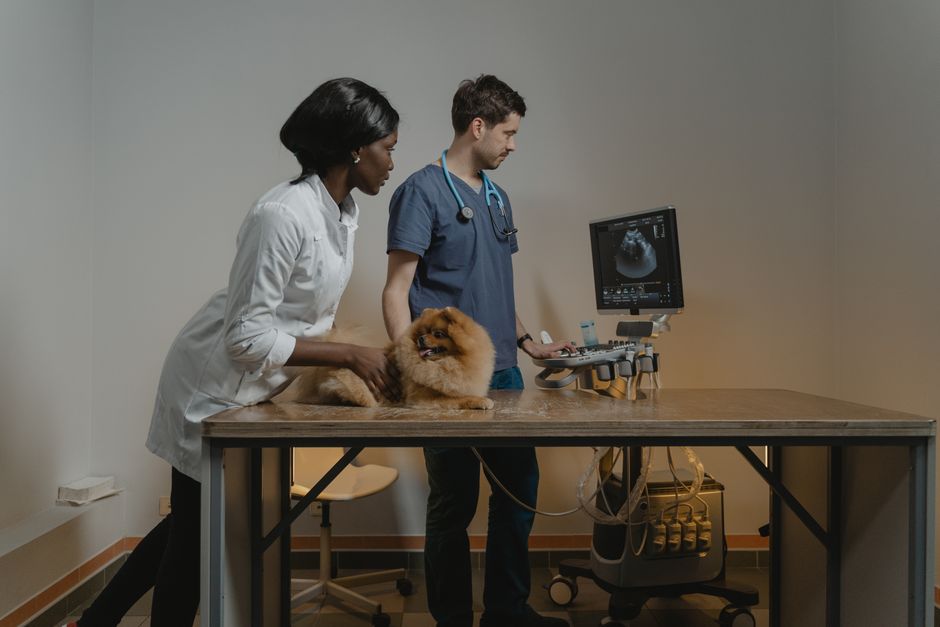
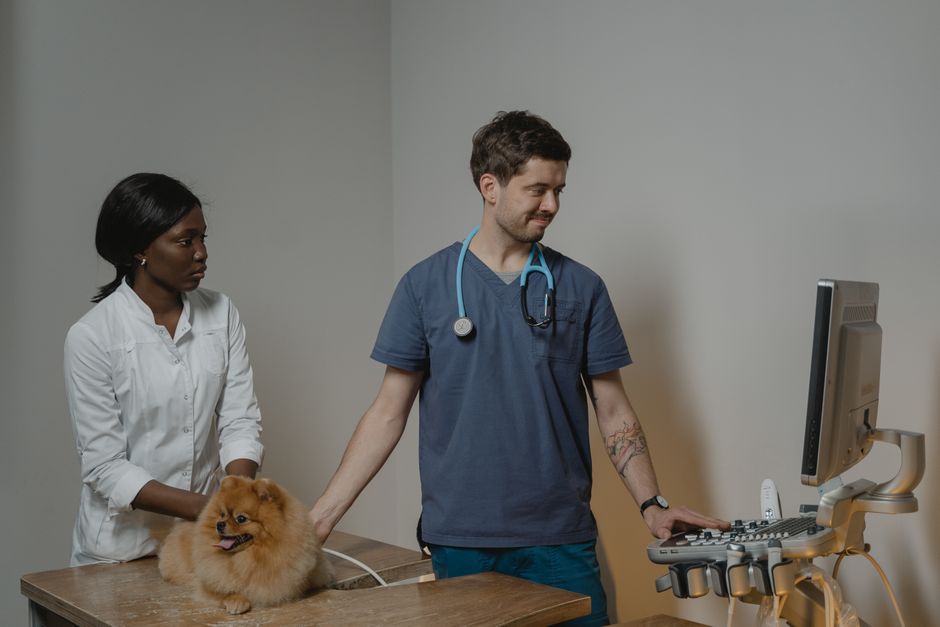
Ultrasound uses sound waves to create real-time images of your pet’s internal organs. This non-invasive tool allows our veterinary internal medicine specialist to detect subtle changes in the liver, spleen, kidneys, intestines, and other soft tissues that are invisible to traditional imaging. For example, abdominal ultrasounds can reveal tumors, fluid buildup, organ enlargement, or abnormal tissue patterns. Thoracic ultrasounds (focusing on the chest) help diagnose lung and pleural diseases, which are particularly relevant during Miami’s humid summers, when respiratory illnesses can be more common. Learn more about our abdominal ultrasound services and thoracic (non-cardiac) ultrasound capabilities.
Ultrasound-Guided Procedures and Advanced Sampling
Sometimes, diagnosing a complex illness requires collecting samples directly from affected organs or abnormal fluid pockets. Using ultrasound guidance, our specialist can precisely target areas for fine needle aspirates or biopsies, improving accuracy and minimizing discomfort for your pet. These samples are then analyzed for cancer cells, infections, or inflammatory processes. For those needing more information, our ultrasound-guided fine needle aspirate procedures page explains how this approach aids in diagnosis.
Other advanced procedures performed by internal medicine specialists include abdominocentesis, thoracocentesis, and pericardiocentesis—techniques that safely collect fluid from the abdomen, chest, or around the heart for analysis. These procedures are especially valuable for pets presenting with unexplained fluid accumulation or breathing difficulties. Our miscellaneous diagnostic procedures page highlights how these techniques support complex case workups.
Collaborative Imaging and Advanced Tools
Some cases require even more detailed imaging, such as CT scans or fluoroscopy, which provide cross-sectional views of your pet’s body or track movement within organs in real time. Through collaboration with MPI, The Veterinary Internal Medicine Group offers access to these advanced options, ensuring every possible avenue is explored. This multi-modal approach is crucial when standard tests don’t provide answers or when surgical planning is necessary. Find out more about advanced imaging options available through our practice.
Common Conditions Diagnosed by Internal Medicine Specialists
Pets referred to a veterinary internal medicine specialist often present with a wide variety of challenging health problems. Some of the most frequent conditions we diagnose and manage include chronic gastrointestinal diseases such as inflammatory bowel disease, hepatitis or liver shunts, complex kidney disorders, respiratory diseases like pneumonia or bronchitis, and endocrine disorders involving the adrenal glands, thyroid, or pancreas. Autoimmune diseases, certain cancers, and systemic infections are also within our scope.
For example, a cat experiencing repeated bouts of vomiting, weight loss, and mild jaundice might have an underlying liver disorder that standard bloodwork cannot fully explain. Similarly, a dog with persistent coughing and fluid buildup in the chest may require thoracic ultrasound and fluid analysis to reach a diagnosis such as immune-mediated disease or cancer. These are the types of cases where specialty diagnostics make all the difference.
The Diagnostic Process: What to Expect
When your pet is referred to The Veterinary Internal Medicine Group, our process begins with a comprehensive review of all previous medical records and test results provided by your family veterinarian. This collaborative approach ensures we build on what’s already been done, avoiding unnecessary duplication and focusing on the most promising diagnostic avenues.
During your consultation, our specialist will perform a detailed physical examination and may recommend additional testing tailored to your pet’s symptoms. This could involve advanced imaging, ultrasound-guided sampling, specialized bloodwork, or fluid analysis. Each step is explained clearly to you, with a focus on minimizing stress for your pet and ensuring you feel informed and supported throughout the process. Our commitment is to provide a clear diagnosis whenever possible, and to outline a customized treatment plan that addresses your pet’s unique needs.
Treatment and Management: Tailored Care for Complex Conditions
Once a diagnosis is reached, the veterinary internal medicine specialist will design a treatment plan that often involves a combination of medications, dietary changes, and careful monitoring. Some conditions are managed medically for the long term, while others may require surgical intervention, which we coordinate closely with surgical specialists if needed.
For example, managing inflammatory bowel disease may involve immune-modulating medications, specialized diets, and periodic rechecks. Treating chronic kidney disease often includes fluid therapy, medication, and dietary management. For pets diagnosed with cancer or immune-mediated conditions, ongoing communication with your primary care veterinarian ensures continuity of care and the best possible outcome. Our team remains available for follow-up questions and adjustments to the treatment plan as your pet responds to therapy.
Prevention and Support: What You Can Do at Home
While many complex pet illnesses cannot be prevented entirely, early detection and prompt specialty referral can dramatically improve outcomes. Pet owners play a vital role by monitoring their dogs and cats for persistent or unusual symptoms, keeping up with regular veterinary visits, and seeking further evaluation when standard treatments do not resolve the problem.
At home, keeping a journal of your pet’s symptoms, appetite, weight, and behavior can provide invaluable information to your veterinary team. In Miami’s warm climate, paying attention to hydration, avoiding overheating, and promptly addressing any changes in health can help prevent minor issues from becoming serious. If your pet is under treatment for a chronic illness, following medication instructions carefully and maintaining open communication with your veterinarians is essential.
For those interested in learning more about advanced care and the importance of board certification, our specialty veterinary care education page offers additional resources.
When to Seek Specialty Veterinary Care
If you are finding that your pet’s illness is persistent, has multiple symptoms, or is not improving with standard treatment, it is appropriate to ask your family veterinarian about a referral to a veterinary internal medicine specialist. The sooner a complex problem is addressed with advanced diagnostics, the better the chances of a positive outcome.
Specific situations that warrant specialty evaluation include sudden or severe changes in health, repeated hospitalizations, abnormal test results without clear explanation, or any condition that places your pet at immediate risk. In Miami and surrounding communities, timely access to specialty care can make all the difference in managing diseases that are more common or severe in our subtropical climate.
Trusting The Veterinary Internal Medicine Group with Your Pet’s Health
At The Veterinary Internal Medicine Group, our mission is to provide expert diagnostic and treatment solutions for even the most challenging pet health issues. We work closely with your primary care veterinarian to ensure seamless communication and continuity of care, serving Miami and the surrounding communities with compassion and advanced expertise. Our board-certified veterinary internal medicine specialist and veterinary team are committed to helping you find answers when standard approaches are not enough.
If you have been searching for a "specialty vet near me" who can offer advanced diagnostics, ultrasound, and collaborative imaging, our practice is here to support you and your pet every step of the way. To schedule a consultation or learn more about how we can help, please contact us at (305) 677-2015 or visit us at 12968 Southwest 132nd Avenue, Miami, FL 33186.
For additional details about our services and how a veterinary internal medicine specialist can help, explore our internal medicine consults and ultrasound pages. No matter how complex your pet's condition may seem, our veterinary professionals are dedicated to providing answers, guidance, and hope for your family.