How Pet Ultrasound Helps Diagnose Complex Cat and Dog Illnesses
How Pet Ultrasound Helps Diagnose Complex Cat and Dog Illnesses
Are you worried because your dog or cat is showing unusual symptoms that just don’t seem to add up? As a dedicated pet owner, it can be stressful and confusing when your pet feels unwell, but there are no clear answers. At The Veterinary Internal Medicine Group, located at 12968 Southwest 132nd Avenue, Miami, FL 33186, we understand how concerning these situations are. That’s why our team of internal medicine specialists is proud to offer advanced diagnostics—including pet ultrasound—to help uncover the root causes of complex pet health problems. In this blog, we’ll explain how pet ultrasound works, the types of cases where it’s most valuable, and why expert imaging is crucial for accurate diagnoses and better outcomes, especially in Miami and surrounding communities. If you’re searching for answers about your pet’s health, understanding the role of pet ultrasound is a vital step forward.
Recognizing When Your Pet Needs Advanced Diagnostic Imaging
Many pet owners notice their dog or cat acting differently but aren’t sure when it’s time to seek a specialist’s help. While routine issues can often be addressed by your family veterinarian, certain symptoms point to an underlying problem that requires a deeper look. Key signs that may signal the need for advanced diagnostics like ultrasound include persistent vomiting or diarrhea, unexplained weight loss, sudden changes in appetite, lethargy, ongoing coughing, abdominal swelling, or difficulty breathing. Sometimes, you might notice your cat hiding more than usual or your dog seeming uncomfortable when touched around the belly or chest. These symptoms, especially when they don’t resolve with initial treatment, can be indicators of complex internal conditions.
If you and your veterinarian are trying to solve a mystery illness, or if routine bloodwork and X-rays haven’t provided clear answers, it may be time to consider a referral to a veterinary internal medicine specialist. At The Veterinary Internal Medicine Group, our focus is on difficult cases where a higher level of diagnostics is needed, particularly for dogs and cats with ongoing or unexplained symptoms.
Why Do Cats and Dogs Need Pet Ultrasound?
Many internal conditions in pets are not obvious from the outside. Even thorough physical exams and basic lab tests sometimes fail to pinpoint the exact problem. This is where pet ultrasound comes in as a game-changing tool for both diagnosis and treatment planning.
Ultrasound allows our veterinary professionals to see inside your pet’s body in real time, using sound waves that are safe and completely noninvasive. The technology is especially valuable for visualizing soft tissues, such as the liver, spleen, kidneys, gastrointestinal tract, pancreas, and bladder. In cats and dogs, conditions such as chronic vomiting, abnormal liver enzymes, urinary issues, and suspected tumors are common reasons to use ultrasound. For example, if a cat has been losing weight and has abnormal bloodwork, ultrasound can reveal whether the problem lies in the intestines, liver, or another internal organ. Dogs with recurring urinary tract infections may need an ultrasound to check for bladder stones or structural abnormalities.
Another frequent use of ultrasound is to help guide fine needle aspirates, where a small sample from a suspicious area is collected for analysis. This approach increases the accuracy of diagnoses and reduces the risk involved in sampling deep internal organs. If you’re interested in learning more about how we perform these procedures, visit our page on ultrasound guided fine needle aspirates.
How Pet Ultrasound Works: The Specialist’s Approach
When your primary care veterinarian refers your pet to our Miami specialty practice for an ultrasound, your pet will be seen by a board-certified internal medicine specialist who works closely with your regular vet. Our approach is thorough and tailored to your pet’s unique situation. After a careful review of your pet’s history and previous test results, we use state-of-the-art ultrasound equipment to obtain detailed images.
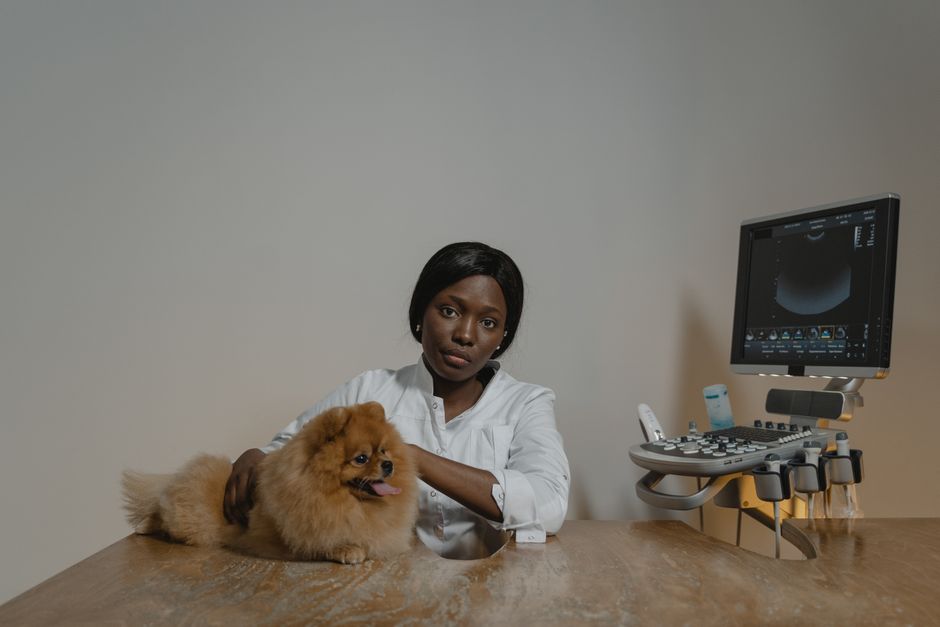
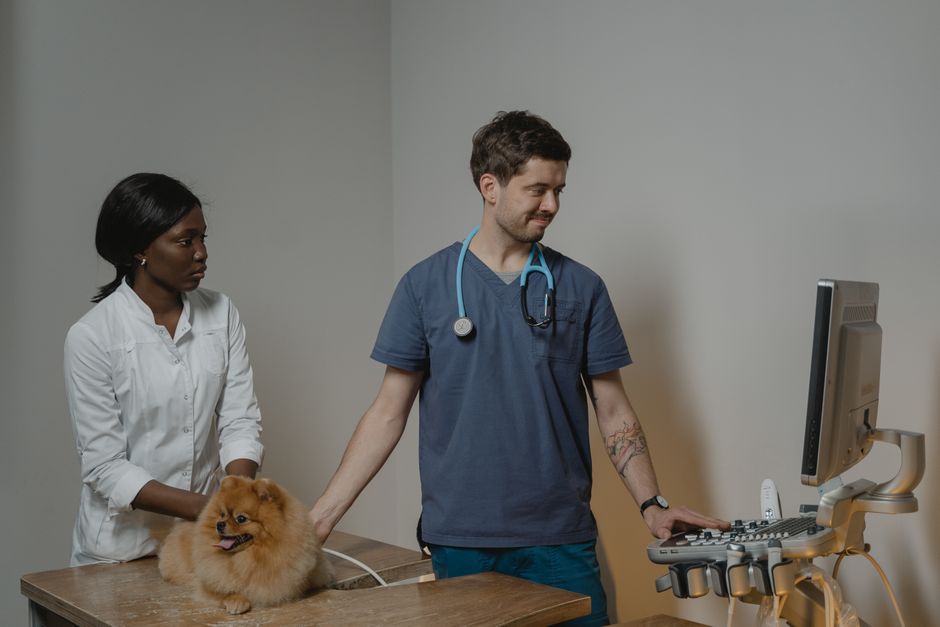
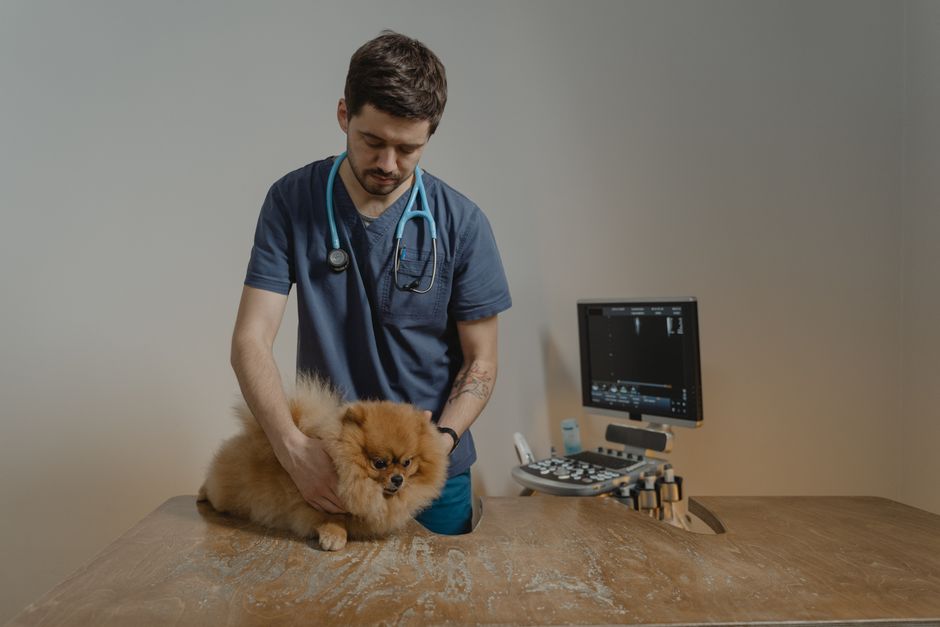
The process is gentle and typically does not require sedation; most dogs and cats tolerate the procedure well, lying comfortably on a padded table while our veterinary team moves a small probe over the area of interest. The images are interpreted in real time, allowing us to assess organ structure, detect masses, evaluate inflammation, and even identify fluid buildup. In certain cases, we may recommend additional procedures such as thoracic ultrasound for chest concerns or miscellaneous diagnostic procedures like abdominocentesis or thoracocentesis to further clarify the diagnosis.
Our goal is to provide you and your family veterinarian with precise answers. We deliver detailed reports and collaborate closely to ensure your pet gets the right treatment plan moving forward.
Advanced Imaging Beyond Ultrasound
For some particularly complex cases, our team may advise additional imaging, such as CT or fluoroscopy, through our collaboration with local partners. This allows us to investigate problems that require three-dimensional imaging or dynamic studies, such as certain respiratory, gastrointestinal, or vascular conditions. If you’re interested in the differences between ultrasound and CT for specific conditions, like evaluating liver enzymes, our CT vs ultrasound for evaluating liver enzymes in pets resource provides more detailed information.
What to Expect During and After a Pet Ultrasound
Understanding what happens during a pet ultrasound can ease your concerns and help you prepare your dog or cat for the visit. Typically, the area being examined will be shaved to ensure clear imaging, and a water-based gel is applied to facilitate sound wave transmission. Most pets can remain awake and are gently restrained by our veterinary professionals to minimize stress.
During the scan, the specialist may pause to capture specific images or note subtle changes. Depending on the findings, we may recommend a fine needle aspirate or another sampling procedure during the same visit. Once the ultrasound is complete, our team interprets the images and discusses the results with you and your primary veterinarian, helping you make well-informed decisions about your pet’s care.
After the appointment, you may be asked to monitor your pet for specific signs or to schedule follow-up visits for further tests or treatment. Our commitment is to keep you informed every step of the way, ensuring you understand the next steps in your pet’s medical journey.
Can Pet Owners Do Anything at Home to Help Before a Pet Ultrasound?
While the actual imaging must be performed by trained specialists, there are steps pet owners can take at home to help their pet and the veterinary team. Keeping a detailed log of your pet’s symptoms, including when they started and any changes you observe, is incredibly helpful. Noting your pet’s appetite, water consumption, urination, bowel movements, and energy level provides valuable context for the interpreting veterinarian. If your pet has been on any medications or changed diet recently, bring that information to your appointment.
It’s also important to follow any pre-ultrasound instructions provided by your veterinarian. In some cases, your pet may need to fast before the procedure, or you may be asked to withhold certain medications. These instructions help ensure the most accurate results.
Remember, while online research can be helpful, only a veterinary professional can interpret ultrasound findings in relation to your pet’s overall health. Our team at The Veterinary Internal Medicine Group always encourages open communication so you feel empowered and supported throughout the process.
When Should You Seek a Veterinary Internal Medicine Specialist?
Knowing when to seek specialty care can make a significant difference for your pet. If your dog or cat has persistent, unexplained symptoms that aren’t improving, or if your family veterinarian recommends additional diagnostics, it may be time to consult with an internal medicine specialist. Situations that often call for advanced imaging include chronic gastrointestinal upset, unexplained weight loss, abnormal bloodwork, suspected internal masses, respiratory difficulties, or unexplained fluid buildup.
Our board-certified specialists at The Veterinary Internal Medicine Group work in partnership with your primary veterinarian, ensuring a collaborative approach to complex cases. We are dedicated to providing answers for pet owners facing uncertainty about their pet’s health. If you’re unsure whether your pet needs a referral, our internal medicine consults for complex pet illnesses page explains how we can help.
The Importance of Expertise in Pet Ultrasound
Not all ultrasound exams are the same. The skill and experience of the operator, as well as the quality of the equipment, play a crucial role in obtaining accurate results. At our Miami specialty practice, all ultrasounds are performed by an internal medicine specialist with advanced training, ensuring the highest level of accuracy. Our team’s expertise allows us to detect subtle changes and make diagnostic calls that might be missed during routine imaging.
Having a specialist involved means your pet benefits from the most current knowledge and techniques in veterinary internal medicine. This expertise is vital for diagnosing uncommon diseases, evaluating complex cases, and planning targeted treatments that maximize your pet’s comfort and recovery.
Why Choose The Veterinary Internal Medicine Group for Pet Ultrasound in Miami?
For pet owners in Miami and surrounding communities, timely and accurate diagnosis can make all the difference in your pet’s health journey. Our practice is dedicated exclusively to the diagnosis and management of complex internal medicine cases, with a strong emphasis on advanced diagnostics like pet ultrasound. We offer a collaborative, compassionate approach that centers on your pet’s needs while keeping you and your family veterinarian involved at every stage.
If you’re searching for a “specialty vet near me” who can provide the answers you need, our team is ready to help. We invite you to learn more about our ultrasound services for pets, as well as our range of specialty veterinary care education for pet owners resources designed to empower you with knowledge and confidence.
Take the Next Step for Your Pet’s Health
If your cat or dog is struggling with ongoing, unexplained symptoms, don’t wait for answers. Pet ultrasound can be the key to a precise diagnosis and a more effective treatment plan. At The Veterinary Internal Medicine Group, our board-certified specialists combine advanced technology with compassionate care to ensure your pet receives the highest standard of internal medicine services in Miami and nearby areas.
To discuss your pet’s needs or to arrange a referral for pet ultrasound, please contact our veterinary team at (305) 677-2015 or visit our Miami location. When searching for a specialty vet near me, remember that expert care and advanced imaging are just a call away. Your pet’s health, comfort, and quality of life are our top priorities, and we are here to support you every step of the way.
Please note: This article is for informational purposes only and does not replace professional veterinary advice. Always consult your veterinarian or a veterinary specialist for specific concerns about your pet’s health.