What to Expect From a Dog Internal Medicine Specialist Visit

What to Expect From a Dog Internal Medicine Specialist Visit
When your dog faces a complex or persistent health issue, the uncertainty can be overwhelming. Many pet owners are referred to a dog internal medicine specialist when standard treatments are not resolving the problem or when advanced diagnostics are needed. At The Veterinary Internal Medicine Group, located in Miami, FL, our experienced team provides specialty care for challenging cases, offering advanced imaging, expert consults, and minimally invasive procedures. If your primary veterinarian has recommended a visit to a dog internal medicine specialist, you might wonder what actually happens during your appointment, which tests may be performed, and how this level of care can help your dog feel better. In this blog, we will walk you through each step of your visit, explain the advanced tools and knowledge our veterinary team brings, and help you feel confident about seeking specialty care for your pet. If you want to learn more about our approach to complex pet health issues or schedule a consult, our team is here to support you every step of the way.
Recognizing When Your Dog Needs an Internal Medicine Specialist
Pet owners often seek out a dog internal medicine specialist when their dog experiences symptoms that do not resolve with typical treatments or when a diagnosis remains elusive. Common signs that may prompt a referral include ongoing vomiting or diarrhea, unexplained weight loss, persistent coughing, increased thirst and urination, lethargy that lasts more than a few days, or unusual changes in appetite. In some cases, your veterinarian may have already performed basic bloodwork or x-rays but needs more advanced diagnostics, such as an abdominal ultrasound or specialized laboratory testing, to get to the root of the problem. If your dog is living with a chronic condition like diabetes, Cushing's disease, immune-mediated disorders, or unexplained liver or kidney issues, an internal medicine specialist can provide the next level of expertise and care.
Why Do Dogs Need an Internal Medicine Specialist?
Dogs are referred to an internal medicine specialist for several reasons, often relating to the complexity or chronic nature of their health problems. Many internal medicine cases involve diseases of the gastrointestinal tract, liver, kidneys, pancreas, or immune system that require specialized diagnostic tools and a deep understanding of how body systems interact. Sometimes, a dog may have a condition that is rare, difficult to diagnose, or not responding as expected to standard therapies. Internal medicine specialists are highly trained to interpret advanced diagnostics, perform procedures such as ultrasound-guided biopsies, and manage long-term illnesses with a tailored approach. Their expertise is especially valuable for dogs who have seen multiple general practitioners or who need a coordinated plan involving advanced imaging or minimally invasive diagnostics.
What Happens During Your Dog's Internal Medicine Appointment?
The Consultation and History
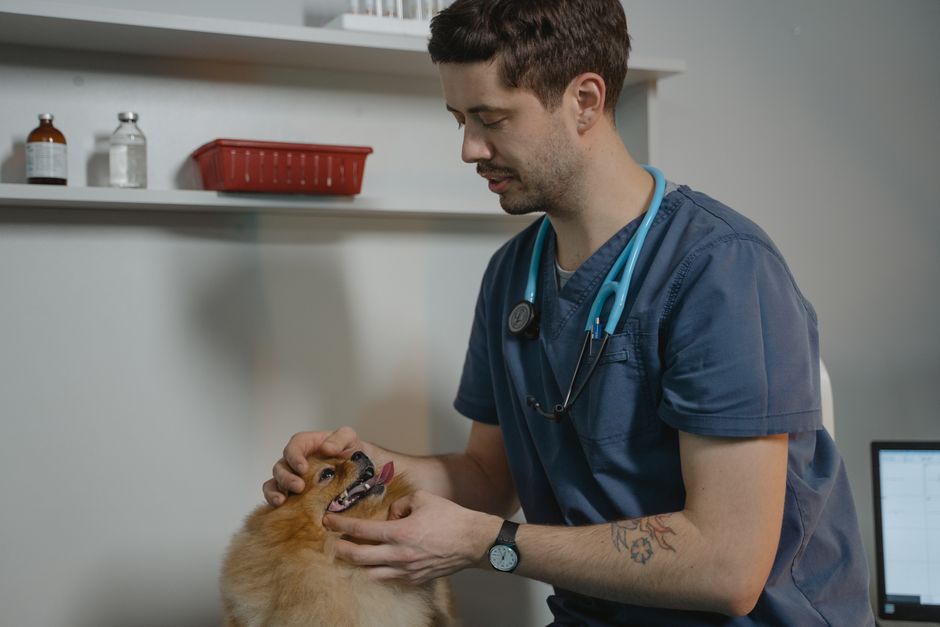
Your visit with a dog internal medicine specialist at The Veterinary Internal Medicine Group begins with a thorough review of your dog's medical history, focusing on symptoms, previous diagnoses, medications, and treatments. Our team of veterinarians will discuss your concerns in detail, ask about changes you've noticed in your dog's daily life, and examine all prior test results. This comprehensive approach ensures that nothing is overlooked and that the most appropriate diagnostic plan is developed for your dog's unique situation. The initial consultation is often longer than a standard vet appointment, giving you and your dog plenty of time to address every concern.
Advanced Diagnostics and Imaging
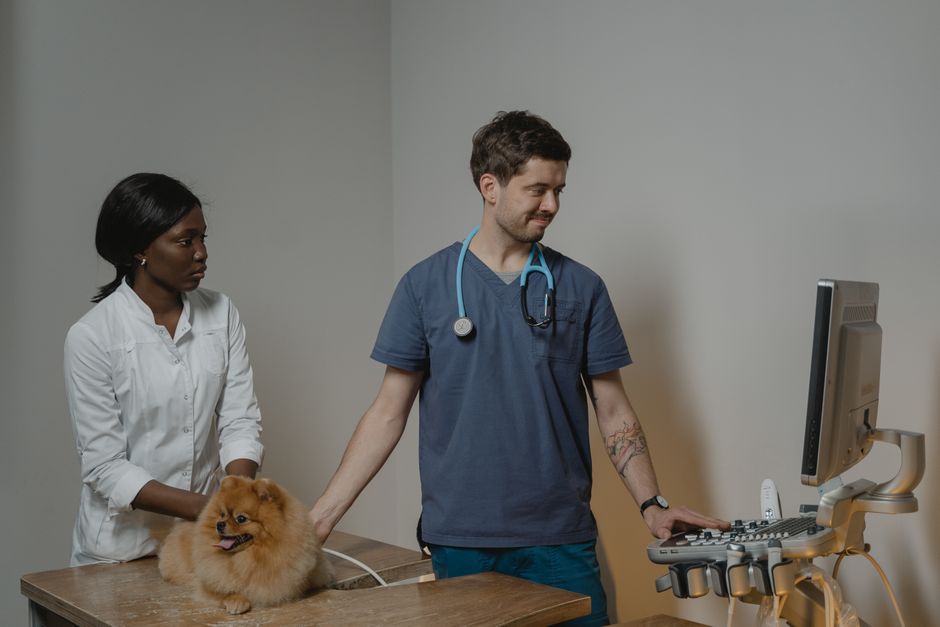
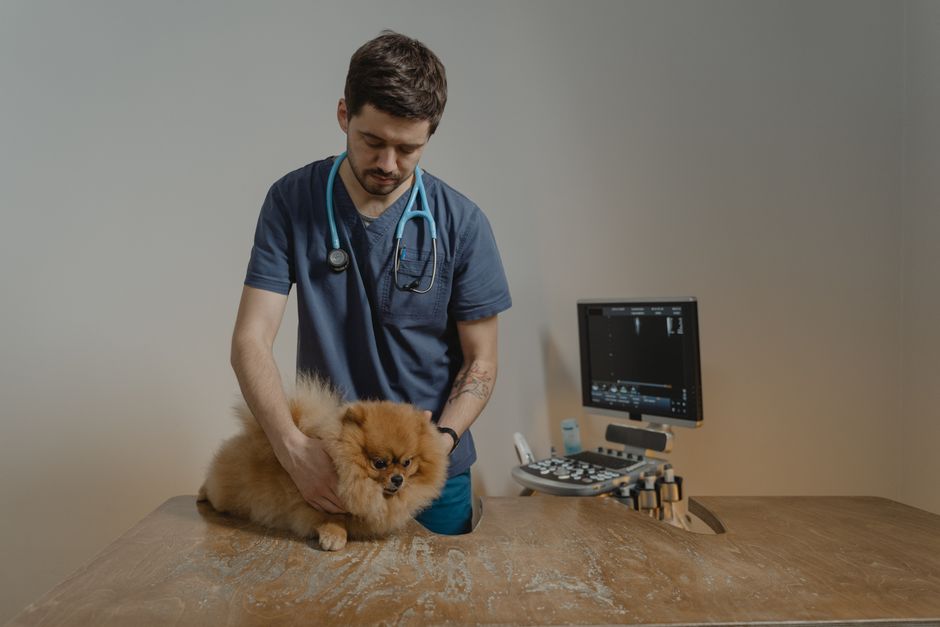
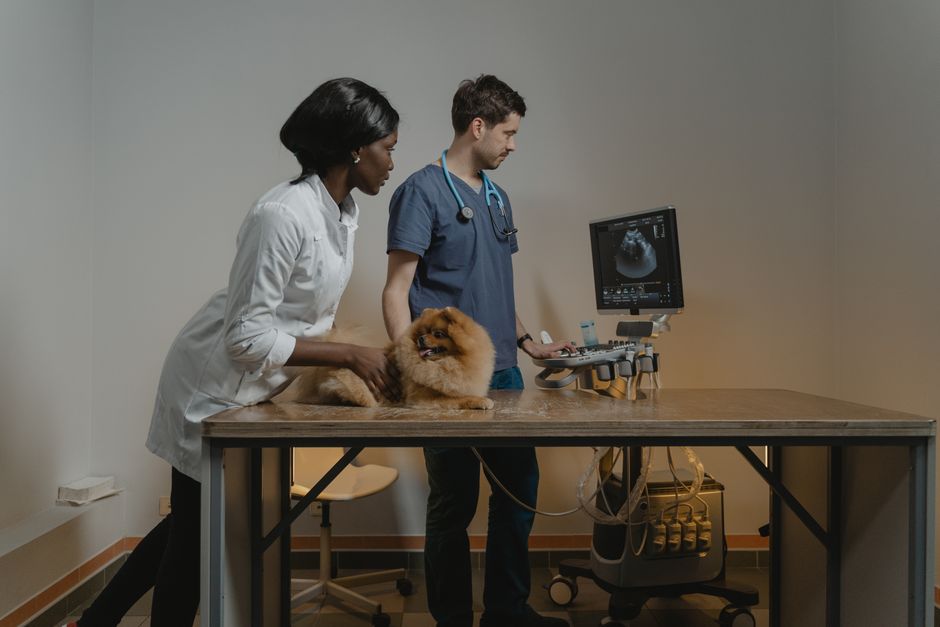
After the history and physical examination, your dog may undergo advanced diagnostics tailored to their symptoms. At our Miami clinic, we offer real-time ultrasound exams to evaluate abdominal organs, detect tumors or masses, and assess internal structures without the need for surgery. If indicated, a thoracic ultrasound may be used to assess chest conditions, such as fluid around the lungs or abnormal masses. For some cases, we may recommend ultrasound procedures for a detailed evaluation or thoracic ultrasounds (non-cardiac) to understand chest-related health problems. Our specialists can also perform ultrasound-guided fine needle aspirates to collect cell samples from organs or masses, which help obtain a diagnosis with minimal discomfort for your dog. When necessary, we collaborate with imaging partners to provide advanced options like CT or fluoroscopy for particularly challenging cases.
Minimally Invasive Procedures
In many instances, a diagnosis requires more than imaging alone. Our veterinary professionals are skilled in performing procedures such as ultrasound guided fine needle aspirates, abdominocentesis, and thoracocentesis. These techniques are designed to collect samples or relieve fluid buildup in a way that is both safe and minimally stressful for your dog. Each procedure is tailored to your dog's needs and is performed under the guidance of experienced specialists, ensuring both comfort and diagnostic accuracy.
Interpreting Results and Developing a Plan
After all necessary diagnostics are complete, the internal medicine specialist will interpret the results and discuss findings with you. This process may involve reviewing ultrasound images, laboratory reports, and any other test outcomes. The goal is to provide you with clear answers and a detailed treatment plan, whether that involves medication adjustments, further diagnostic steps, or long-term disease management. Our team communicates closely with your primary veterinarian to ensure continuity of care and to help your dog get the best possible outcome.
Managing and Treating Complex Conditions
The treatment and management plan your dog receives from an internal medicine specialist is highly individualized. Options may include prescription medications, dietary changes, ongoing monitoring through laboratory work, or periodic imaging to track disease progression. For chronic diseases such as inflammatory bowel disease, diabetes, or autoimmune disorders, management often involves fine-tuning therapies to achieve the best quality of life for your dog. In some cases, procedures like abdominocentesis or thoracocentesis are needed to manage symptoms or relieve discomfort. Our specialists are committed to using the least invasive options available while ensuring accurate diagnosis and effective treatment.
Supporting Your Dog at Home
While advanced diagnostics and expertise are central to our specialty care, your role as a pet owner is equally important in supporting your dog's health at home. Keeping a daily journal of symptoms, monitoring appetite and water intake, administering medications as prescribed, and following dietary recommendations can make a significant difference. If your dog is recovering from a procedure, providing a quiet and comfortable space, limiting activity according to veterinary advice, and closely observing for changes are all key steps. Our veterinary team will provide clear instructions and remain available to answer any questions that arise during your dog's care journey.
When Should You Seek Specialty Care for Your Dog?
It can be difficult to know when your dog needs more than primary veterinary care. Some scenarios where a visit to a dog internal medicine specialist is advised include persistent symptoms that do not improve, recurrent or unexplained illness, abnormal bloodwork that cannot be explained, or conditions that require advanced imaging or procedures. If your general practitioner has recommended referral, it is important to act promptly, as early diagnosis and intervention often improve outcomes. Additionally, if you feel that your dog's condition is not progressing as expected or you want a second opinion, specialty care can provide the answers you need. Remember, the goal is always to work in partnership with both your primary veterinarian and our specialists to achieve the healthiest outcome for your beloved pet.
What Makes The Veterinary Internal Medicine Group Different?
At The Veterinary Internal Medicine Group, our focus is on providing expert-level diagnostics, advanced imaging, and compassionate specialty care for dogs facing complex health challenges. Our Miami location serves pet owners across the city and surrounding communities such as Kendall, Pinecrest, and Sweetwater. Every member of our veterinary team has extensive training in internal medicine and uses the latest technology to ensure your dog gets the most accurate diagnosis and effective treatment. We prioritize clear communication, owner education, and coordinated care with your primary veterinarian. Whether your dog requires a detailed internal medicine consult, advanced imaging, or minimally invasive procedures, we are dedicated to helping your family find answers and restore your dog's quality of life. For more information on the specialty referral process and what board-certification entails, you can explore our specialty vet care education resources.
Take the Next Step for Your Dog’s Health
If your dog has been referred for specialty care or you are searching for answers to a persistent health problem, The Veterinary Internal Medicine Group is here to help. Our dog internal medicine specialists in Miami offer state-of-the-art diagnostics and a compassionate approach to every case. To schedule a consultation or learn more about our services, call us at (305) 677-2015 or visit our Miami location. When searching for a specialty vet near me, trust our experienced team to deliver the answers and advanced care your dog deserves. Your pet’s health and comfort are our highest priorities, and we look forward to supporting you every step of the way.
This blog is for informational purposes only and should not be considered a substitute for professional veterinary advice. Always consult your veterinarian or a board-certified specialist for specific questions about your dog’s health.