Signs Your Dog Needs an Internal Medicine Specialist

Signs Your Dog Needs an Internal Medicine Specialist
When your dog is facing ongoing or puzzling health problems, it can be both frustrating and worrisome. Sometimes, routine veterinary exams and standard treatments are not enough to pinpoint or resolve your dog’s symptoms. This is when the advanced expertise of a dog internal medicine specialist can make all the difference for both you and your pet. At The Veterinary Internal Medicine Group, located at 12968 Southwest 132nd Avenue, Miami, FL 33186, our board-certified team specializes in diagnosing and managing complex medical issues in dogs and cats. In this blog, we’ll help you recognize the signs that suggest your dog may benefit from a specialist’s care, explain what internal medicine specialists do, and guide you on when to seek advanced evaluation in Miami and surrounding communities. If you’re searching for a dog internal medicine specialist near you, understanding these key indicators can help you take the right next step for your dog’s health.
Recognizing Signs Your Dog May Need a Dog Internal Medicine Specialist
It’s not always obvious when your dog’s health concern calls for more than a general veterinary visit. Many pet owners wonder if symptoms they’re seeing at home require specialized diagnostics or consultation. Key signs that your dog may need to see a dog internal medicine specialist include chronic vomiting or diarrhea that doesn’t resolve with standard care, persistent weight loss despite a good appetite, unexplained fever or lethargy, ongoing coughing or difficulty breathing unrelated to heart disease, excessive drinking and urination, or jaundice (yellowing of the skin or gums). Other red flags involve poorly controlled diabetes, sudden or severe changes in appetite, repeated infections, or the discovery of abnormal bloodwork or imaging results during routine exams.
These symptoms often point to underlying issues involving organs such as the liver, kidneys, gastrointestinal tract, pancreas, or immune system. For example, a dog who has received antibiotics for repeated urinary tract infections but continues to relapse may have a more complex disease process that requires advanced diagnostics. Similarly, if your dog develops ascites (fluid in the abdomen), frequent coughing that isn’t due to heart disease, or unexplained anemia, these are all indications that a specialist’s expertise is needed.
Understanding the Role of a Dog Internal Medicine Specialist
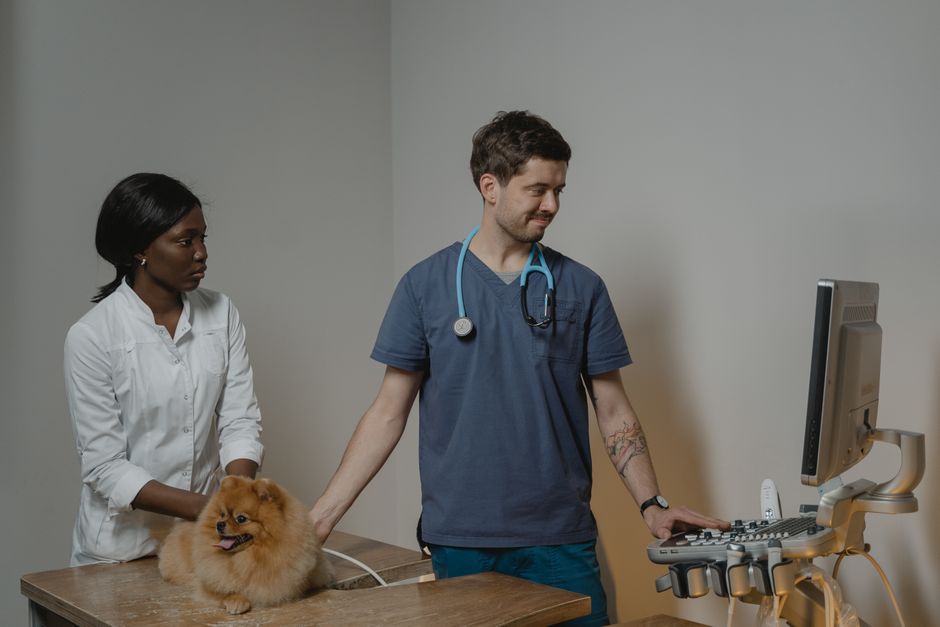
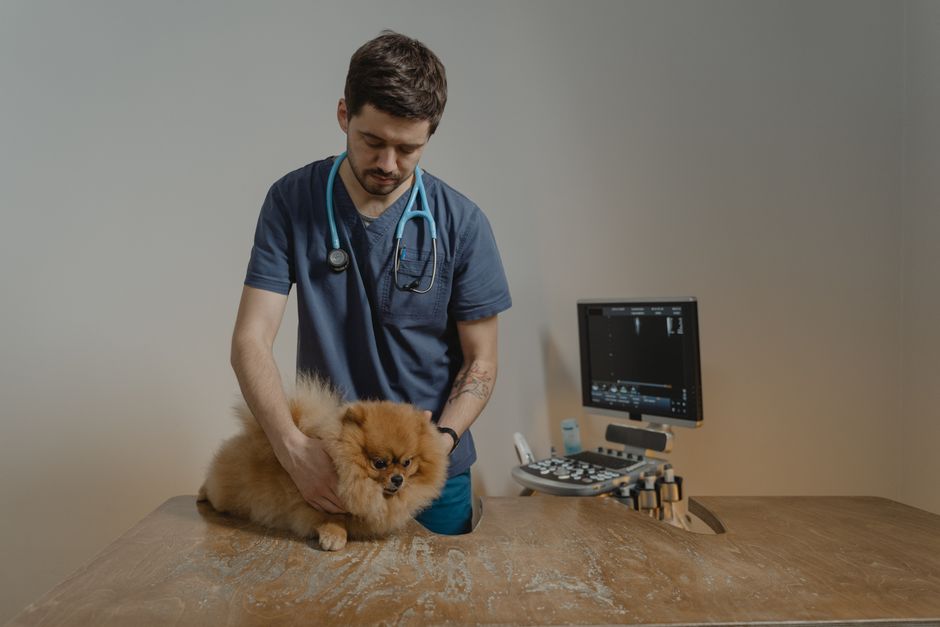
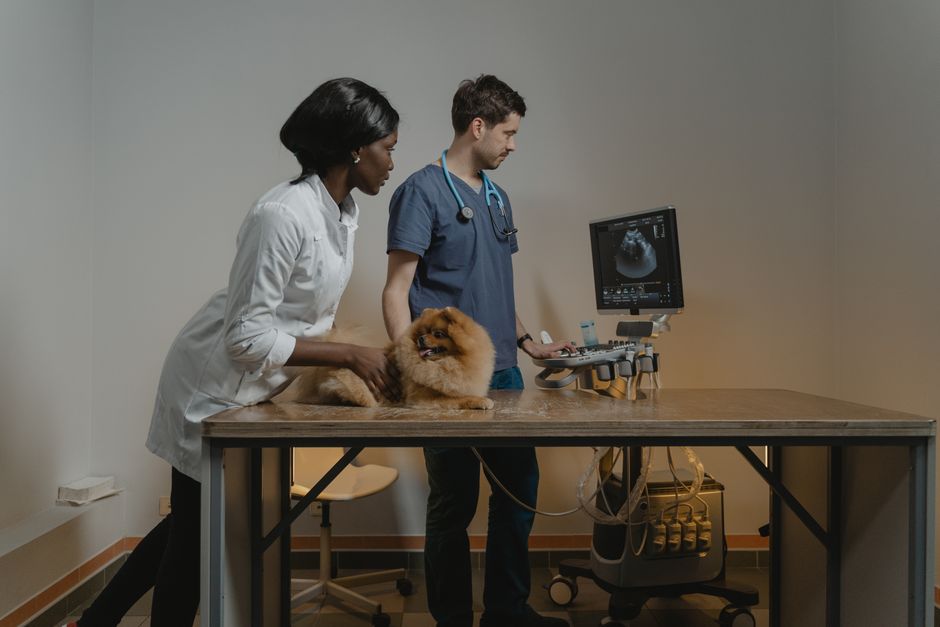
A dog internal medicine specialist is a veterinarian who has completed additional training and board certification in diagnosing and managing complex diseases affecting internal organs. These specialists are skilled in advanced diagnostics, such as ultrasound, thoracic ultrasounds, and minimally invasive procedures like ultrasound-guided fine needle aspirates. They provide expertise in interpreting challenging lab results, identifying subtle patterns in disease presentation, and developing comprehensive treatment plans for chronic or hard-to-treat conditions.
At The Veterinary Internal Medicine Group, our focus includes diagnostic workups for gastrointestinal disorders, kidney and urinary tract disease, endocrine conditions such as Cushing’s or Addison’s disease, immune-mediated disorders, and unexplained fevers. We also collaborate with your primary care veterinarian to provide a second opinion or to pursue advanced testing when routine diagnostics have not provided clear answers. Our internal medicine consultations are designed to give you a thorough understanding of your dog’s medical condition and what treatment options are available.
Common Causes of Complex Illnesses in Dogs
When a primary care veterinarian refers your dog to an internal medicine specialist, it’s often because the underlying cause of illness is not straightforward. Many complex conditions can present with similar outward symptoms, making a thorough diagnostic process essential. Some of the most common reasons dogs require referral to a dog internal medicine specialist include chronic gastrointestinal diseases like inflammatory bowel disease, liver disorders such as hepatitis or portosystemic shunts, chronic kidney disease, and endocrine issues like diabetes mellitus.
Additionally, immune-mediated diseases, where the body’s own immune system attacks healthy tissues, are frequently seen by internal medicine specialists. Dogs experiencing recurrent infections, unexplained bleeding or bruising, or persistent anemia may have an underlying immune-mediated process that requires special management. Advanced imaging techniques such as abdominal ultrasound or advanced imaging options (CT and fluoroscopy) are often necessary to visualize internal organs and identify hidden disease processes.
Specialized Diagnostics and Treatment Approaches
Internal medicine specialists utilize a wide array of advanced diagnostic tools to uncover the root cause of your dog’s health problems. Common procedures performed by specialists at The Veterinary Internal Medicine Group include ultrasound-guided sampling of organs or masses, thoracic ultrasounds for non-cardiac conditions, abdominocentesis or thoracocentesis to remove and analyze internal fluid, and comprehensive bloodwork panels. The interpretation of these complex diagnostics requires in-depth knowledge and experience, which is why board-certified specialists are uniquely equipped to handle challenging cases.
Treatment plans from a dog internal medicine specialist often involve combination therapies tailored to your dog’s specific diagnosis. For example, a dog with chronic kidney disease may require dietary modification, fluid therapy, and medications to control blood pressure or reduce protein loss in urine. Dogs with immune-mediated diseases may need immunosuppressive medications and close monitoring. Throughout the process, our veterinary internal medicine team communicates closely with your primary care veterinarian, ensuring continuity of care and long-term management strategies.
What You Can Do at Home: Supporting Your Dog’s Health
While complex medical conditions often require professional intervention, there are important ways pet owners can support their dog’s health at home. Carefully observe and document any changes in your dog’s appetite, drinking habits, urination, defecation, energy levels, and behavior. Keeping a detailed log of symptoms helps your veterinarian or specialist recognize patterns and track progress. Administer all prescribed medications exactly as directed and notify your veterinary team if you notice any side effects or worsening symptoms.
Feeding a balanced, high-quality diet recommended by your veterinarian and maintaining regular exercise appropriate for your dog’s health status are also important for overall wellness. In some cases, your dog may benefit from a prescription diet tailored to specific medical needs, such as kidney or liver support. Avoid making dietary or supplement changes without consulting your veterinary professionals, as some over-the-counter products may interfere with prescribed treatments or worsen certain conditions.
When to Seek Veterinary Care and How to Find the Right Specialist
Knowing when to escalate your dog’s care to a specialist can be challenging. If your dog’s symptoms persist despite standard treatments, if new symptoms appear without clear explanation, or if diagnostic tests have produced inconclusive or abnormal results, it’s time to discuss a referral to a dog internal medicine specialist with your primary care veterinarian. In some cases, acute symptoms such as severe abdominal pain, labored breathing, collapse, or seizures require immediate emergency care before a referral can be made.
When searching for a specialty vet near me, prioritize practices with board-certified internal medicine specialists and advanced diagnostic capabilities. The Veterinary Internal Medicine Group in Miami is equipped to handle even the most challenging cases, with access to state-of-the-art imaging and minimally invasive procedures. Our goal is to provide answers and hope when your dog’s health is uncertain, working closely with you and your primary veterinarian every step of the way.
Why Choose The Veterinary Internal Medicine Group for Your Dog’s Specialty Care
As a leading specialty practice in Miami and the surrounding communities, The Veterinary Internal Medicine Group is committed to delivering expert, compassionate care for dogs with complex medical needs. Our board-certified internal medicine specialist uses advanced diagnostic technologies and comprehensive treatment approaches to address even the most puzzling cases. We offer internal medicine consults, ultrasound services, and educational resources to help pet owners understand when advanced care is needed.
If you’re noticing persistent or unexplained health issues in your dog and are searching for a dog internal medicine specialist in Miami, our veterinary team is here to support you. Schedule a consultation with our specialists today by calling (305) 677-2015 or visit our Miami location. For more information about specialty veterinary care and when advanced diagnostics might be necessary, explore our specialty vet care education resources.
Your dog’s health and comfort are always our top priorities. When you need a specialty vet near me, trust The Veterinary Internal Medicine Group to provide the expertise and compassion your pet deserves.