Internal Medicine Diagnostics for Miami Pets: What To Expect

Internal Medicine Diagnostics for Miami Pets: What To Expect
When your beloved pet faces a complex or lingering health issue, it can be both confusing and stressful. As a pet owner in Miami, FL, you want trustworthy answers and the best possible care for your companion. At The Veterinary Internal Medicine Group, our specialty team is dedicated to providing advanced diagnostics, including ultrasound and comprehensive internal medicine consults, to help solve the most challenging pet health puzzles. In this blog, we will guide you through what to expect when your pet is referred for internal medicine diagnostics, why these services matter, and how timely intervention can protect your pet’s health—especially during the unpredictable spring months in South Florida.
We understand that many general practice veterinarians refer their patients to us when specialized expertise and advanced diagnostic tools are needed. If your primary care veterinarian has recommended an internal medicine consultation or an ultrasound for your pet, you may have questions about what happens next. Our goal is to demystify the process and set your mind at ease by explaining each step, from identifying signs that require specialty attention to the sophisticated procedures available at our Miami-Dade and Monroe counties facility. You can also learn more about our approach to internal medicine consults and how we tailor diagnostics to each pet’s unique needs.
Recognizing When Your Pet Needs Advanced Internal Medicine Diagnostics
Pet owners are often the first to notice subtle changes in their companion’s behavior or health. Recognizing when a common issue has become a complex medical concern is the first step toward timely care. Many pets in Miami-Dade and Monroe counties and surrounding communities present with symptoms that seem mild at first but may indicate deeper issues beneath the surface.
Key signs suggesting your pet might benefit from internal medicine diagnostics include unexplained weight loss, persistent vomiting or diarrhea, chronic coughing, increased drinking or urination, lethargy that lasts more than a day or two, or a loss of appetite that cannot be attributed to a dietary change. Additionally, if your pet’s symptoms have not improved despite treatment from your regular veterinarian, or if there is a sudden worsening of a chronic condition, these are strong indicators that more advanced diagnostic tools may be needed.
For example, a cat that suddenly starts urinating outside the litter box or a dog that coughs persistently despite medication could be displaying symptoms of an underlying metabolic or organ-related disease. It’s not uncommon for issues such as these to require high-resolution imaging or laboratory analysis beyond what is available in general practice settings.
Understanding the Causes: Why Complex Health Issues Arise
Many factors can contribute to the development of complex medical conditions in pets. Some diseases are influenced by breed predisposition, age, or genetic factors. For instance, older pets are at higher risk for organ dysfunction, hormonal imbalances, and certain types of cancer. In South Florida’s springtime climate, environmental triggers such as allergens or infectious agents can also play a role in exacerbating underlying health problems.
Metabolic diseases like diabetes, Cushing’s disease, and thyroid disorders are common in both dogs and cats and often present with subtle symptoms. Gastrointestinal disorders, liver or kidney disease, and respiratory problems can also manifest in ways that initially mimic more benign conditions. In some cases, a mass or abnormal tissue growth might be detected during a routine exam or through changes noticed at home, necessitating specialized imaging like an abdominal ultrasound or an advanced CT scan.
It’s important to remember that many of these conditions can be managed effectively with early detection and targeted treatment. The role of internal medicine specialists is to pinpoint the root cause of your pet’s symptoms using a combination of advanced diagnostics and medical expertise.
What to Expect: Advanced Diagnostics and Specialty Care at The Veterinary Internal Medicine Group
When your pet is referred to The Veterinary Internal Medicine Group, you can expect a thorough, stepwise approach to diagnosis and care. Our veterinarians work closely with your primary veterinarian to collect your pet’s medical history and review any prior test results or imaging studies.
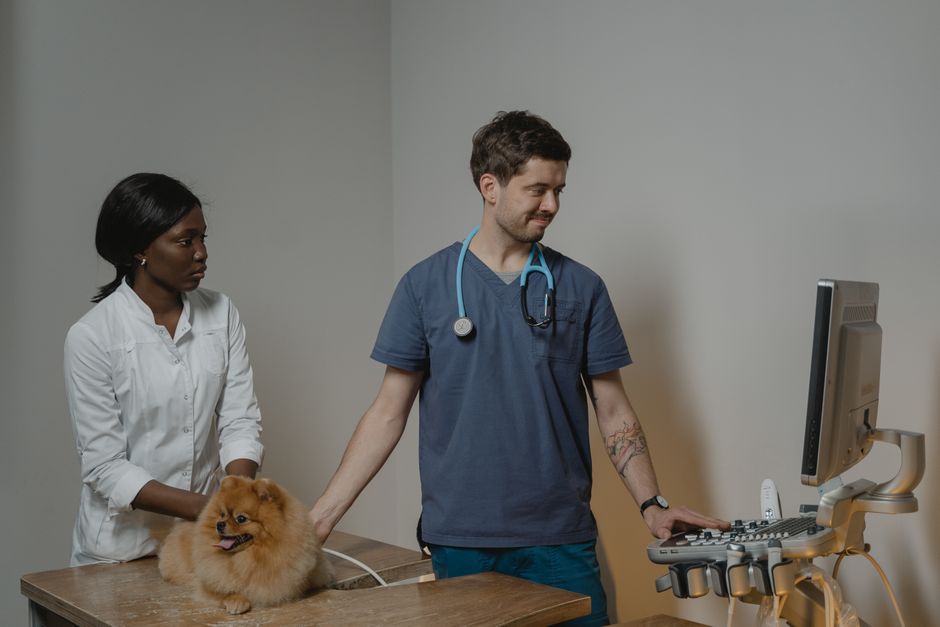
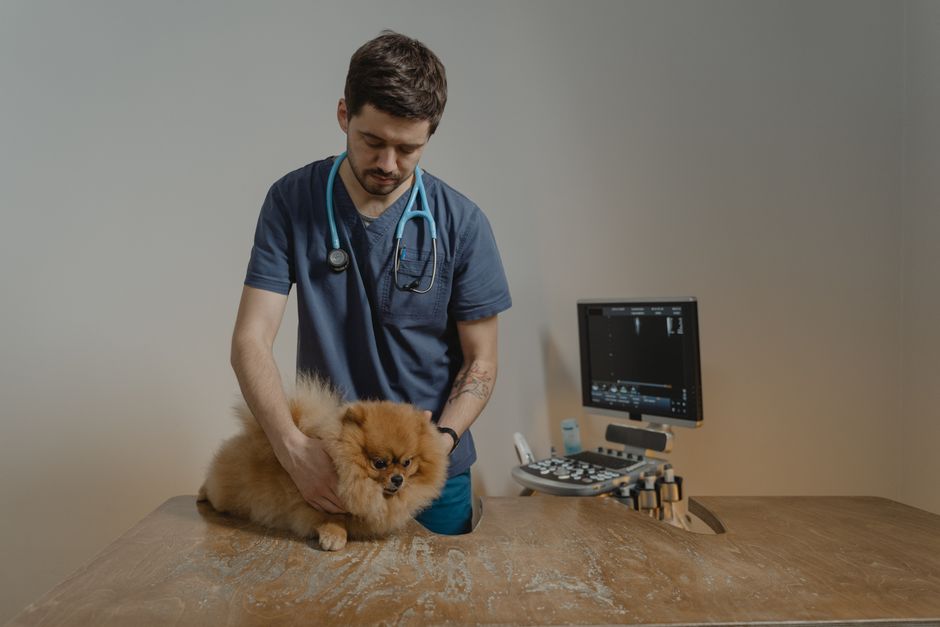
At our Miami-Dade and Monroe counties facility, your pet may undergo a range of advanced diagnostic procedures. Abdominal and thoracic ultrasounds allow our team to visualize organs and tissues in real time, providing critical information about their structure and function. For pets with abnormal lab results or masses, we may recommend ultrasound guided fine needle aspirates, which involve collecting a small sample of cells for microscopic examination. This minimally invasive technique can help diagnose conditions such as cancer, infection, or inflammatory disease.
Other specialized services include thoracic ultrasounds for non-cardiac issues, pregnancy checks using ultrasound, and a variety of fluid sampling procedures such as abdominocentesis, thoracocentesis, and pericardiocentesis. In certain cases, we collaborate with regional partners to offer advanced imaging options like CT and fluoroscopy, further expanding the diagnostic possibilities for your pet.
The process typically begins with a consultation, during which our internal medicine veterinarians perform a detailed physical examination, discuss your pet’s medical history, and recommend the most appropriate diagnostic plan. Our goal is to minimize stress for both you and your pet by explaining each procedure and answering all your questions before moving forward.
How Advanced Diagnostics Guide Treatment and Management
The information gathered through advanced internal medicine diagnostics informs every aspect of your pet’s treatment plan. Once a definitive diagnosis is reached, our team works with you and your primary care veterinarian to develop a customized management strategy.
Treatment approaches vary depending on the underlying condition. For example, metabolic disorders may be managed with medications and dietary adjustments, while certain inflammatory or infectious diseases might require targeted therapies or supportive care. If a mass or abnormal tissue is detected, minimally invasive sampling helps determine whether surgery or medical management is appropriate.
Our specialty team emphasizes the importance of follow-up and monitoring, especially for chronic diseases. Ongoing communication between your family veterinarian and our internal medicine group ensures that your pet’s care is seamless, coordinated, and always focused on their individual needs.
Supporting Your Pet at Home: What Pet Owners Can Do
While specialized diagnostics are essential for identifying and managing complex health conditions, there are important steps you can take at home to support your pet’s wellbeing. Monitor your pet closely for any changes in appetite, water consumption, activity level, or litter box habits. Promptly reporting new or worsening symptoms to your veterinarian increases the likelihood of early intervention and successful treatment.
Maintaining a consistent feeding schedule, providing fresh water, and ensuring your pet receives appropriate exercise tailored to their condition are basic but crucial elements of home care. For pets with chronic illnesses, administering medications as prescribed and attending regular recheck appointments are key to stability and long-term health.
If your pet has recently undergone a diagnostic procedure such as an ultrasound or fine needle aspirate, follow any post-procedure instructions provided by your veterinary team. Most pets recover quickly from these minimally invasive diagnostics, but some may require rest or temporary activity restriction.
When to Seek Specialty Veterinary Care in Miami
It is always best to err on the side of caution when it comes to your pet’s health. If your pet’s symptoms are persistent, unexplained, or worsening despite initial treatment, it is time to consult with a specialty veterinary internal medicine team. Conditions that involve significant weight loss, chronic gastrointestinal upset, unexplained coughing or breathing difficulties, abnormal lab results, or the discovery of a mass all warrant advanced evaluation.
Your family veterinarian is an essential partner in your pet’s care and will guide you on when referral to The Veterinary Internal Medicine Group is appropriate. Our specialty team is available to provide the diagnostics and expertise needed for the most challenging cases. Remember, early intervention often leads to better outcomes, especially when dealing with complex diseases.
Taking the Next Step: Specialty Internal Medicine Diagnostics for Your Pet
Navigating a complex pet health issue can be overwhelming, but you do not have to do it alone. The Veterinary Internal Medicine Group in Miami, FL is here to provide expert guidance, advanced diagnostics, and compassionate support. Whether your pet needs an internal medicine consult, a high-resolution ultrasound, or a more specialized procedure, our board-certified team is committed to delivering answers and peace of mind.
If you are searching for a specialty vet near me or have been referred by your family veterinarian, please contact us at (305) 677-2015 to schedule a consultation. Our veterinary professionals will work closely with you every step of the way, ensuring your pet receives the highest standard of care. For additional information about specialty veterinary medicine, you may also visit our educational resources.
Your pet’s health and comfort are our top priorities, and we look forward to partnering with you and your primary veterinarian to achieve the best possible outcome—this spring and throughout every season.
This blog is for informational purposes only and is not a substitute for professional veterinary advice. If your pet is experiencing urgent symptoms, contact your veterinarian or the nearest animal emergency center immediately.