Miami Veterinary Services Blog: The Role Of Pet Ultrasound In Early Diagnosis

Miami Veterinary Services Blog: The Role Of Pet Ultrasound In Early Diagnosis
If you are a dedicated dog or cat owner in Miami, you know how important it is to catch health issues in your pet as early as possible. South Florida’s warm May weather brings more outdoor adventures, but it can also reveal hidden health concerns in our pets. The Veterinary Internal Medicine Group, located at 12968 Southwest 132nd Avenue, Miami, FL 33186, is committed to providing answers when general practice veterinarians need extra help solving complex medical puzzles. In this miami veterinary services blog, we will explore how advanced pet ultrasound plays a vital role in the early detection and diagnosis of complex health problems in dogs and cats. You will learn when your pet might benefit from this specialized diagnostic tool, how it works, and what to expect when your veterinarian refers you to an internal medicine specialist.
At The Veterinary Internal Medicine Group, our board-certified specialists use state-of-the-art imaging technology, including ultrasound, to provide clear, accurate answers. Whether your primary care veterinarian has recommended an internal medicine consult or you are seeking clarity about your pet’s symptoms, our team is here to help guide you through the process. Let’s look at how pet ultrasound can make a difference for your companion’s health and peace of mind for your family.
Recognizing Signs That Your Pet May Need an Ultrasound
Many pet owners wonder when it is time to consider advanced diagnostics like ultrasound. Some health problems can be difficult to detect with a physical exam or even basic bloodwork alone. Key symptoms that may prompt your veterinarian to recommend an ultrasound include unexplained vomiting or diarrhea, sudden weight loss, changes in appetite, increased thirst or urination, and abdominal discomfort. Additionally, if your pet develops a persistent cough, difficulty breathing, or unusual swelling, these can also be warning signs of internal problems that may require further investigation.
In some cases, general symptoms such as lethargy, intermittent fever, or unexplained pain can indicate an underlying condition that standard tests cannot pinpoint. For example, a dog with recurring digestive issues or a cat with sudden loss of appetite might not have visible abnormalities on x-rays, but an ultrasound can reveal early changes in the liver, kidneys, or intestines. If you notice any of these issues in your pet, it is important to consult your primary care veterinarian, who may refer you to a specialty practice like The Veterinary Internal Medicine Group for further evaluation.
Why Internal Disorders Can Be Hard to Detect
Understanding why some pet illnesses are so difficult to diagnose starts with knowing how internal disorders develop. Many diseases affecting dogs and cats—such as liver disease, kidney disease, pancreatitis, or certain cancers—begin with subtle changes inside the body. These changes might not cause obvious symptoms right away, or may be masked by a pet’s natural tendency to hide weakness.
Traditional diagnostic tools, such as physical exams and standard x-rays, can sometimes miss early or small-scale changes in soft tissue organs. Bloodwork can indicate that something is wrong, but often cannot pinpoint the exact source or cause. This is where advanced imaging, especially ultrasound, becomes incredibly valuable. By providing real-time, detailed images of organs and tissues, ultrasound helps specialists detect abnormalities that are not visible through basic diagnostics.
The Veterinary Internal Medicine Group specializes in complex internal medicine cases, using advanced tools like ultrasound to bridge the gap between routine testing and definitive diagnosis. Our team routinely works with local general practice veterinarians to solve these difficult cases, ensuring that your pet receives the most accurate care possible.
How Ultrasound Works for Pets
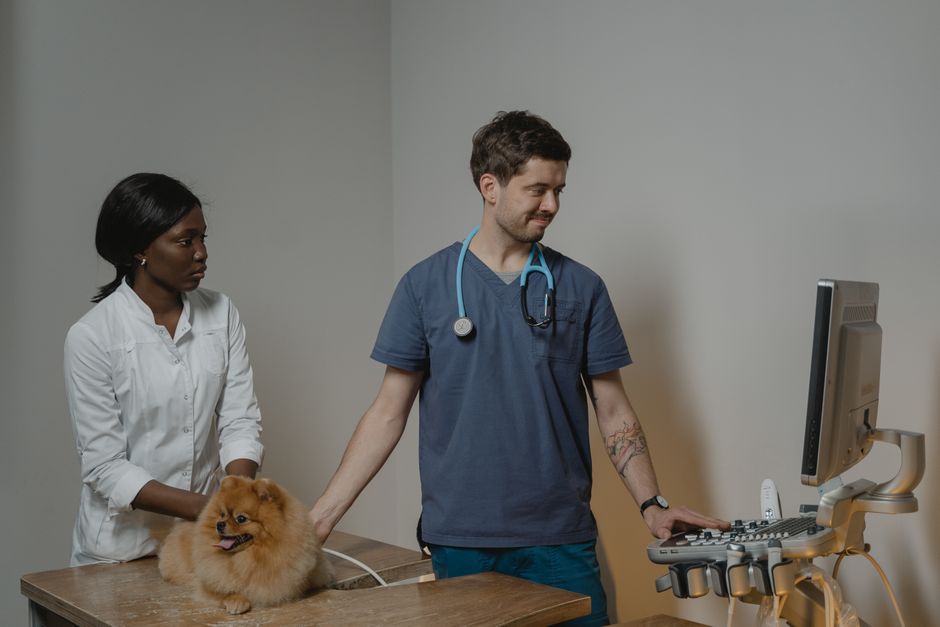
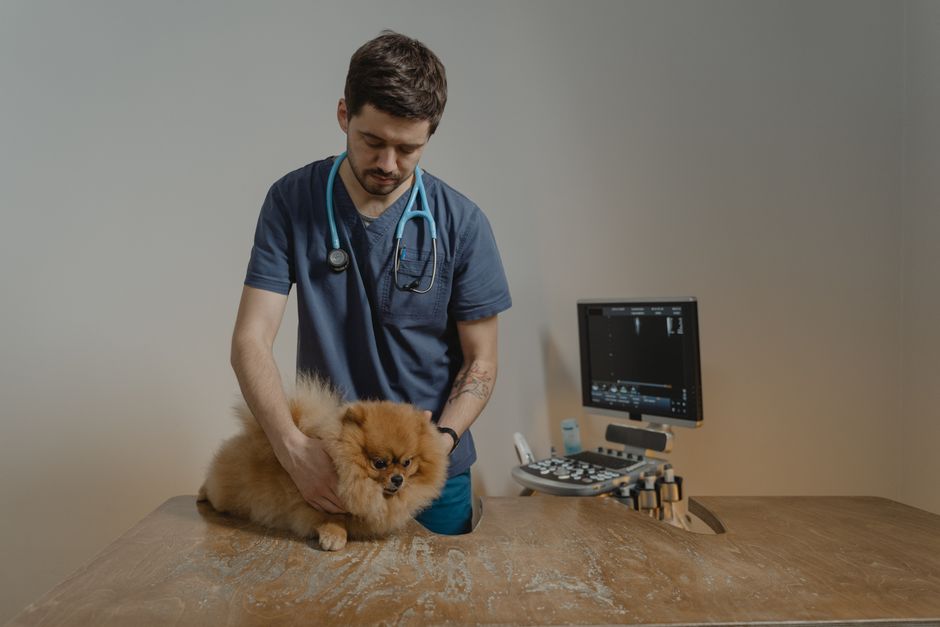
Ultrasound is a non-invasive imaging technique that uses sound waves to create live images of your pet’s internal organs. Unlike x-rays, which use radiation and are best for viewing bones and dense structures, ultrasound excels at visualizing soft tissues such as the liver, spleen, kidneys, bladder, and intestines. During an ultrasound exam, a trained veterinary specialist gently moves a small probe across your pet’s shaved skin. This probe sends sound waves into the body; echoes from these waves are converted into real-time images on a monitor.
This dynamic view allows the specialist to assess organ size, shape, structure, and blood flow. Ultrasound can also help detect masses, cysts, fluid buildup, or abnormal tissue changes. Because it is non-invasive, most pets tolerate the procedure well, and sedation is only occasionally needed for anxious or sensitive animals.
At The Veterinary Internal Medicine Group, our board-certified specialist performs comprehensive ultrasound exams and can also perform ultrasound guided fine needle aspirates when sampling tissue is necessary for diagnosis. This combination of expertise and technology provides Miami pet owners with answers that are both accurate and timely.
Specialized Applications: Thoracic and Pregnancy Ultrasounds
Ultrasound is not limited to the abdomen. For pets with respiratory symptoms or suspected chest disease, thoracic (non-cardiac) ultrasound helps identify issues such as lung nodules or fluid around the lungs. Our practice also provides thoracic ultrasound diagnostic services to help clarify complex chest problems.
For breeders or owners with pregnant pets, ultrasound offers a safe and effective way to monitor pregnancy progress and detect potential concerns early. If you are seeking a veterinary pregnancy check, our internal medicine team can provide detailed information about fetal health and development.
What to Expect When Your Pet Is Referred for an Ultrasound
When your general practice veterinarian refers your pet to The Veterinary Internal Medicine Group for an ultrasound, you can expect a collaborative and compassionate approach. Our team will review your pet’s medical history and previous test results, then perform a targeted ultrasound exam based on your veterinarian’s findings and your pet’s symptoms.
The exam itself is typically quick and painless. Your pet may need to skip breakfast the morning of the procedure, especially if sedation is a possibility, but our veterinary professionals will provide specific instructions to ensure your pet’s comfort. After the ultrasound, our specialist will interpret the images and communicate the results directly to your referring veterinarian, who will coordinate the next steps for treatment or further testing.
If tissue sampling is needed, ultrasound guided fine needle aspirates can often be performed at the same visit, providing rapid answers while minimizing stress for your pet.
The Impact of Early Diagnosis on Treatment and Recovery
The greatest benefit of ultrasound in veterinary medicine is the ability to detect disease before it advances too far. Early diagnosis means that targeted treatments can begin sooner, increasing the likelihood of a positive outcome. For conditions such as pancreatitis, liver disease, or certain types of cancer, ultrasound-guided diagnosis allows for rapid intervention and more precise management plans.
Additionally, ultrasound can help rule out certain conditions, avoiding unnecessary treatments or procedures. For example, a pet with unexplained abdominal pain may have a benign cyst or fluid buildup that can be managed conservatively once identified on ultrasound, sparing them from invasive surgery.
The Veterinary Internal Medicine Group uses internal medicine consults for complex pet health problems to work closely with both pet owners and referring veterinarians. Our goal is always to provide clear answers and a customized treatment strategy that best serves your pet’s needs.
Advanced Imaging Options for Complex Cases
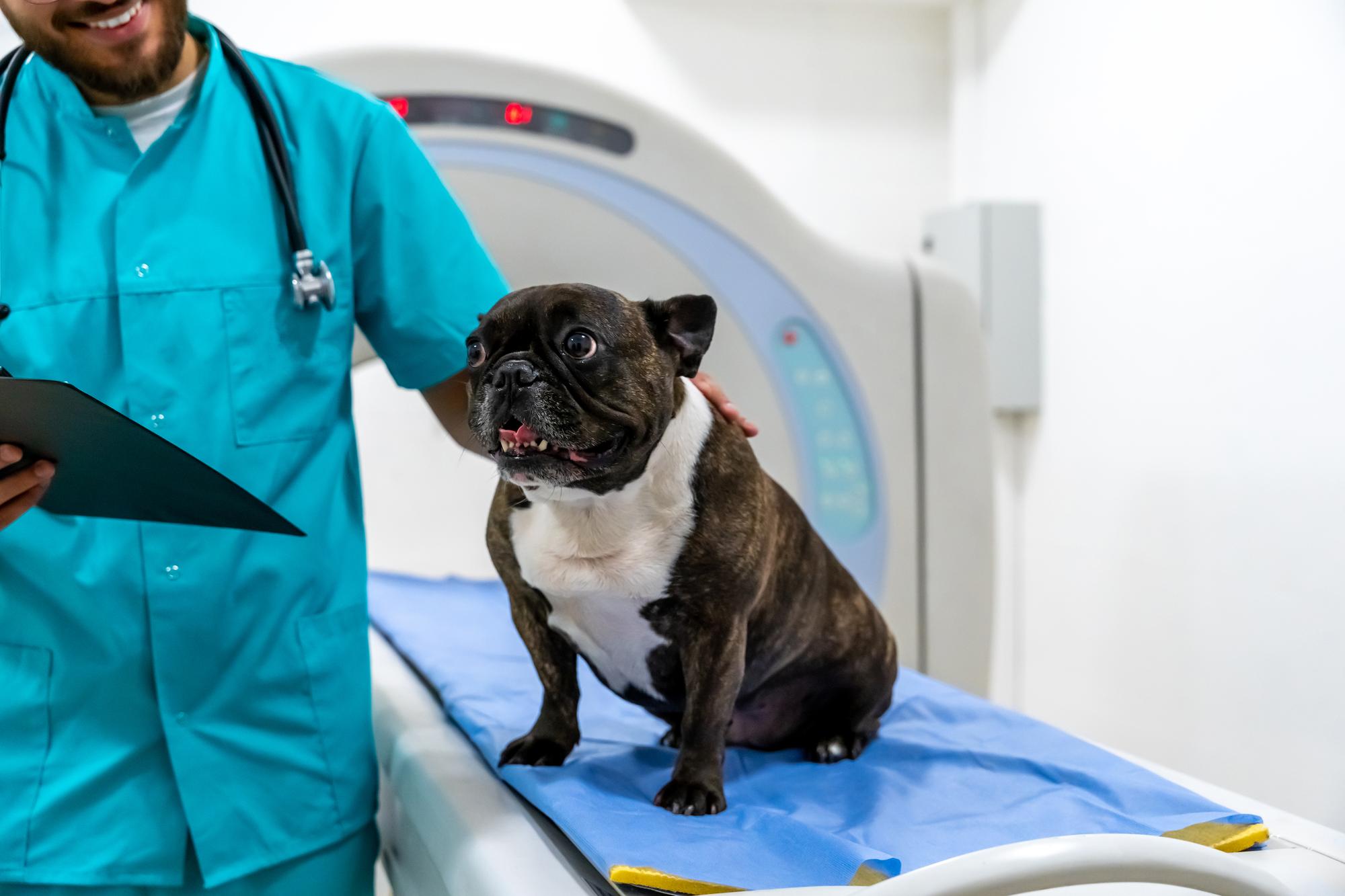
For some pets, additional imaging may be needed to fully evaluate a health problem. Our practice collaborates with local partners to offer advanced imaging options for pets, including CT and fluoroscopy. These technologies can provide even greater detail for especially challenging or unusual cases, supporting the highest standard of care for Miami’s pets.
Home Care and Monitoring: What Pet Owners Can Do
While ultrasound and advanced diagnostics are powerful tools, your role as a pet owner remains essential. Monitoring your dog or cat for subtle changes in behavior, appetite, or bathroom habits can make all the difference in catching problems early. Steps you can take at home include tracking weight, noting changes in thirst or urination, and observing for signs of discomfort or pain.
If your pet has already been diagnosed with a chronic condition, following your veterinarian’s home care recommendations and attending all scheduled follow-ups is crucial. In Miami’s warm climate, be especially mindful of heat-related symptoms such as excessive panting, lethargy, or changes in water consumption, as these can sometimes mask underlying illnesses.
Should you have concerns or notice any unexplained changes in your pet, reach out to your primary care veterinarian. If advanced care is needed, they may recommend a referral to a specialty team like The Veterinary Internal Medicine Group for further evaluation.
When to Seek Advanced Veterinary Care
Knowing when to seek specialty veterinary care can make a significant difference in your pet’s health journey. If your general veterinarian suspects an internal issue that cannot be fully diagnosed with routine testing, or if your pet is not improving with standard treatments, it may be time for a referral to an internal medicine specialist. Additional reasons to consider advanced care include the need for specialized procedures such as abdominocentesis, thoracocentesis, or pericardiocentesis, which our team can provide as part of our miscellaneous diagnostic procedures.
Early intervention by a specialty veterinary team can lead to more effective treatment options and a better quality of life for your pet. Our board-certified internal medicine specialist is here to support your family veterinarian every step of the way, ensuring your pet receives the advanced care they deserve.
Specialty Veterinary Ultrasound: A Critical Tool for Miami’s Pets
The importance of early diagnosis in pet health cannot be overstated, especially when it comes to internal medicine. The Veterinary Internal Medicine Group is honored to serve as a trusted resource for Miami and surrounding communities, offering advanced diagnostic tools and expert guidance for complex pet health issues. If you are searching for a specialty vet near me or your veterinarian has recommended an internal medicine consult, our team stands ready to help.
For more information about our ultrasound services for pets or to learn about our specialty veterinary care education for pet owners, visit our website or speak with your family veterinarian about a referral. Our compassionate veterinary professionals at 12968 Southwest 132nd Avenue, Miami, FL 33186 are here to provide answers when you need them most.
If you have questions or want to schedule a consultation, call us at (305) 677-2015. Early detection can make all the difference in your pet’s health and happiness. Let The Veterinary Internal Medicine Group in Miami help you find clarity and confidence in your pet’s care. This miami veterinary services blog is your resource for understanding how advanced ultrasound can give your dog or cat the best possible chance at a healthy future.