Miami Veterinary Services Blog: Pet Digestive Issues Explained
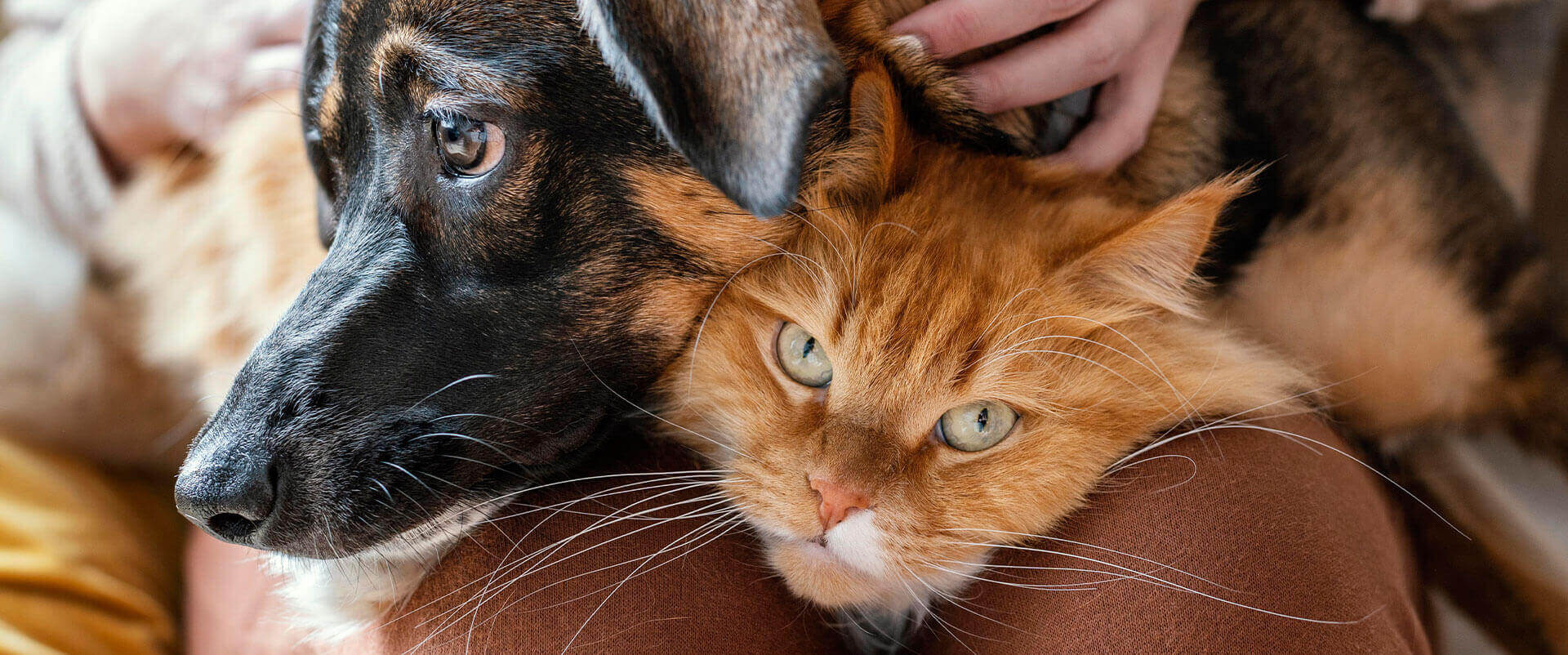

Miami Veterinary Services Blog: Pet Digestive Issues Explained
Digestive trouble in your dog or cat can be stressful and confusing—especially with Miami’s warm, humid weather in May, when some pets seem more sensitive to GI upsets. If you’ve noticed your pet vomiting, experiencing diarrhea, or showing decreased appetite, you are not alone. These issues are among the most common concerns for pet owners in Miami and surrounding communities. At The Veterinary Internal Medicine Group, located at 12968 Southwest 132nd Avenue, Miami, FL 33186, our board-certified internal medicine specialists focus on solving complex digestive problems using advanced diagnostics and tailored treatment plans. In this miami veterinary services blog, we will help you identify signs of digestive distress in your pet, understand the underlying causes, and know when it’s time to seek specialized care. We’ll also explain how our team’s expertise in ultrasound, minimally invasive sampling, and specialty consults can provide much-needed answers and peace of mind.
Recognizing Digestive Problems in Your Pet
Gastrointestinal symptoms in dogs and cats can be subtle or dramatic, and early recognition is key to better outcomes. Pets may show digestive issues in many ways. Common warning signs include vomiting that occurs more than once or contains foreign material, persistent diarrhea lasting more than a day, straining or difficulty passing stool, and noticeable changes in appetite or water intake. Other symptoms can involve weight loss despite regular feeding, abdominal discomfort such as stretching or restlessness, and increased gassiness or bloating. Some pets may become withdrawn, hide, or display changes in behavior when not feeling well. In Miami’s heat, gastrointestinal symptoms may also appear alongside increased panting or lethargy, adding to owner concern.
While a single mild episode of vomiting or diarrhea might resolve with rest, repeated or severe symptoms should not be ignored. Persistent digestive problems can signal anything from food intolerances and infections to more serious internal organ conditions. If your pet’s symptoms last longer than 24 hours, worsen, or are accompanied by weakness, pale gums, or blood in the stool or vomit, it’s time to consult your veterinarian promptly.
Understanding the Causes of Digestive Upset
Digestive disorders in pets can arise from a variety of causes, and pinpointing the exact problem often requires specialized diagnostics. In Miami, common triggers include dietary indiscretion—such as eating unfamiliar foods during outdoor activities—bacterial or viral infections, and sudden food changes. Heat and humidity can also exacerbate underlying GI sensitivities, leading to flare-ups of chronic conditions like inflammatory bowel disease.
Other causes may be more complex. Pancreatitis, liver disease, kidney dysfunction, or hormonal imbalances can all present with gastrointestinal signs. Foreign body ingestion is especially frequent in curious dogs, with symptoms developing rapidly if an object becomes lodged in the intestine. In older pets, tumors of the stomach, intestines, liver, or pancreas may first appear as vague digestive issues.
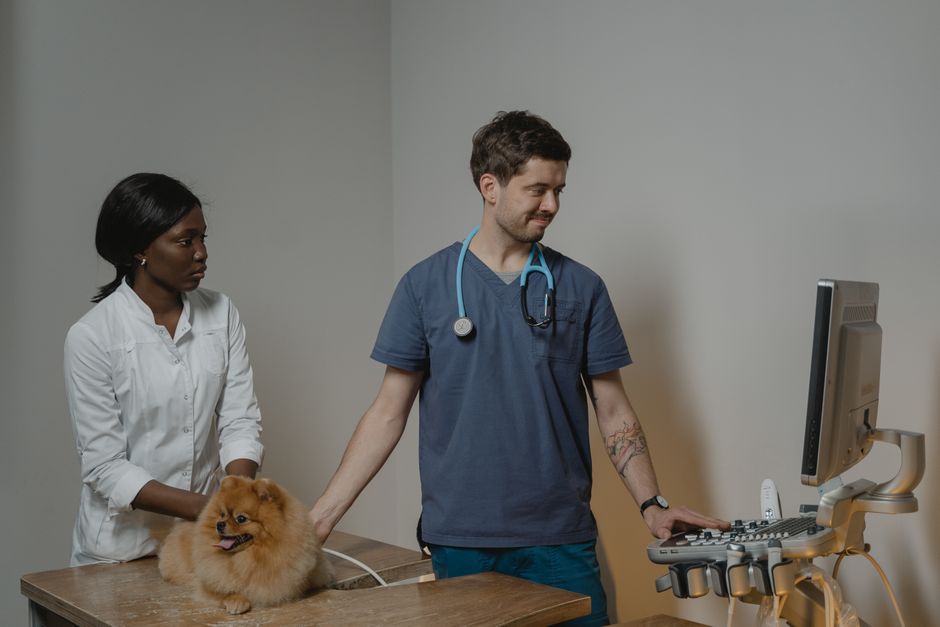
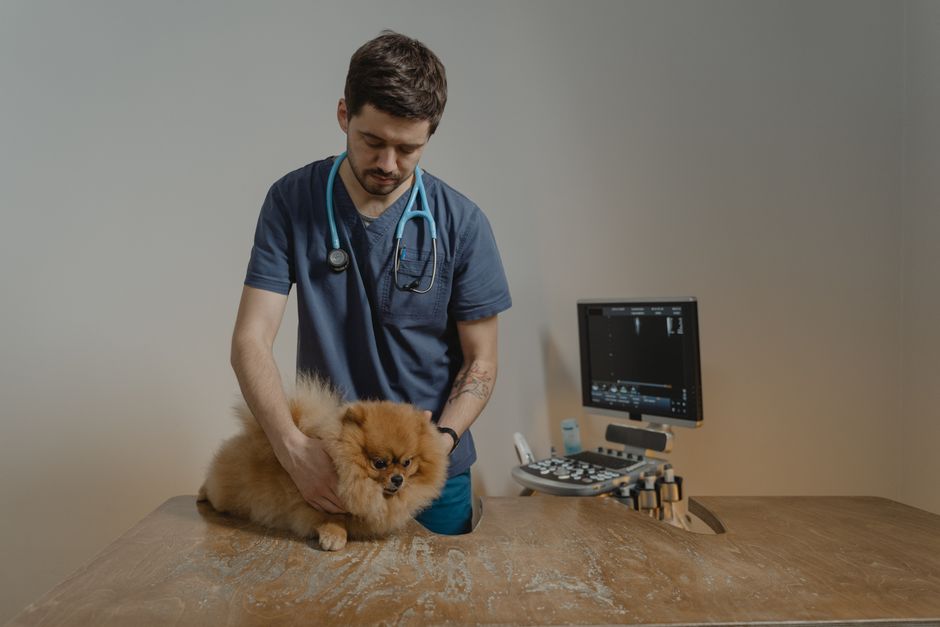
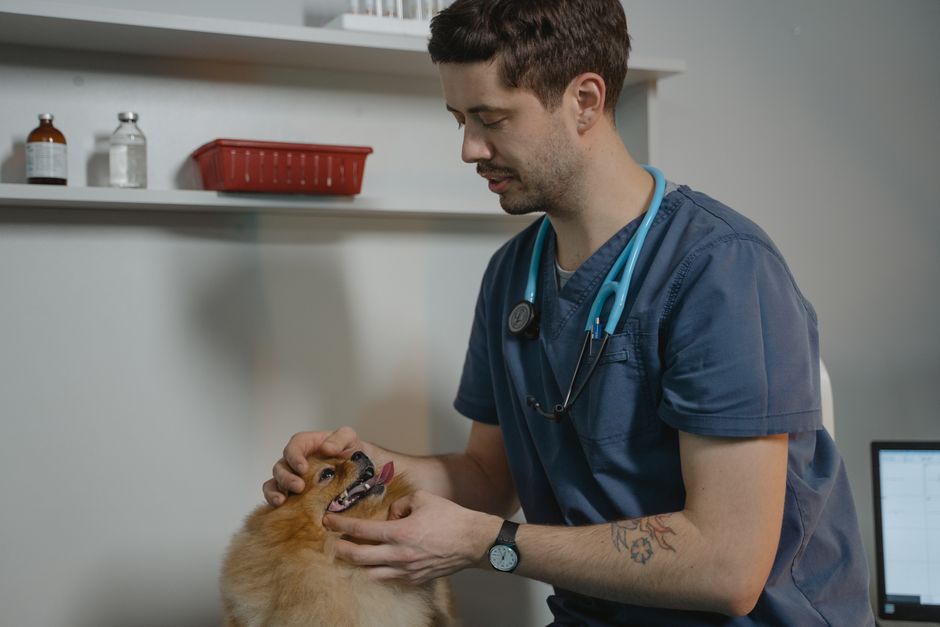
Our internal medicine specialists at The Veterinary Internal Medicine Group are trained to investigate these complex cases using a systematic approach. This may involve reviewing your pet’s medical history, performing a detailed physical examination, and recommending advanced diagnostics such as abdominal ultrasound to visualize organs in real time. Additional procedures, including ultrasound guided fine needle aspirates, allow for minimally invasive sampling of tissue or fluid, which helps achieve a definitive diagnosis when routine testing falls short.
Diagnostic and Treatment Options at a Specialty Veterinary Practice
For pets with persistent, unexplained, or severe digestive symptoms, referral to a specialty internal medicine team can make a significant difference. At The Veterinary Internal Medicine Group, our veterinarians employ advanced diagnostics and individualized care plans to address each pet’s unique needs.
Diagnostic options often begin with comprehensive bloodwork, urinalysis, and fecal testing. However, when standard tests are inconclusive or further detail is needed, our team uses abdominal ultrasound to assess the structure and function of your pet’s digestive organs. This real-time imaging can detect changes such as intestinal wall thickening, masses, fluid accumulation, or evidence of pancreatitis.
When even more information is needed, ultrasound guided fine needle aspirates enable targeted sampling of abnormal tissues or fluid with minimal discomfort to your pet. In some cases, our team may recommend miscellaneous diagnostic procedures such as abdominocentesis, thoracocentesis, or pericardiocentesis to collect samples for further analysis. For pets requiring even more detailed imaging, we collaborate with local partners to provide access to CT and fluoroscopy, ensuring no stone is left unturned.
Treatment is always tailored to the underlying condition. For example, pets with food allergies may benefit from prescription diets, while those with inflammatory bowel disease may require immunosuppressive medications. Supportive care such as intravenous fluids, anti-nausea medications, and appetite stimulants may be used to stabilize your pet while diagnostics are underway. Infections are managed with targeted antibiotics or antiparasitic agents when appropriate. For tumors or organ dysfunction, our internal medicine specialists develop a comprehensive plan that may involve additional specialty referral or ongoing management. Throughout the process, we prioritize your pet’s comfort, safety, and quality of life.
Home Care and Prevention: What Pet Owners Can Do
While some digestive problems are unpredictable, pet owners can take practical steps at home to minimize risk. Gradually transitioning your pet to new foods helps prevent GI upset. Avoid giving table scraps or letting your pet eat unknown items during walks or outdoor activities, especially in Miami’s parks and yards, where discarded food or plants are common. Ensure your pet has access to fresh, clean water at all times, since dehydration can quickly worsen diarrhea or vomiting—particularly in Miami’s heat.
Routine veterinary check-ups are vital for monitoring your pet’s digestive health, especially for those with a history of GI problems or chronic disease. Staying up to date on parasite prevention helps reduce the risk of intestinal infections. If your pet is prone to dietary indiscretion, consider using a muzzle during walks or closely supervising outdoor time.
When digestive symptoms occur, withhold food for a short period (no more than 12 hours for adult dogs and cats; never withhold food from young, elderly, or ill pets without veterinary guidance) and encourage water intake. Avoid giving over-the-counter medications unless directed by a veterinarian, as some human drugs can be toxic to pets. If symptoms persist or are severe, contact your veterinarian without delay.
When to Seek Specialty Veterinary Care in Miami
Knowing when your pet’s digestive issue warrants specialty care can be challenging. If your primary care veterinarian recommends referral for advanced diagnostics or your pet’s symptoms are not improving with initial therapy, it may be time to consult a board-certified internal medicine specialist. Pets with chronic vomiting, diarrhea, unexplained weight loss, abdominal swelling, or persistent changes in appetite are candidates for in-depth evaluation.
Immediate specialty attention is warranted if your pet is weak, collapsing, showing signs of severe abdominal pain, or displaying blood in vomit or stool. These symptoms can indicate life-threatening conditions requiring urgent intervention. The Veterinary Internal Medicine Group is committed to collaborating with your primary veterinarian to provide seamless, expert care when your pet needs it most.
For those searching for a specialty vet near me, choosing a board-certified internal medicine team ensures your pet receives the benefit of advanced diagnostics, evidence-based treatment, and compassionate support throughout the process.
The Value of Internal Medicine Consults
Many pet owners wonder what sets a specialty internal medicine consult apart from a general practice appointment. At The Veterinary Internal Medicine Group, our board-certified specialists bring years of training and experience to every case. We are equipped to manage complex or refractory digestive problems, interpret advanced imaging, and guide your pet’s treatment with the latest medical knowledge.
Through our internal medicine consults, we work closely with you and your primary veterinarian to develop a stepwise diagnostic plan, answer your questions, and provide updates at every stage. Our collaborative approach means your pet benefits from a network of expertise tailored to their specific needs.
Take Action for Your Pet’s Digestive Health
Digestive problems in your dog or cat can cause worry and frustration, but answers and solutions are within reach. Early recognition, timely intervention, and access to advanced diagnostics can make all the difference in your pet’s comfort and recovery. At The Veterinary Internal Medicine Group, our team of board-certified internal medicine veterinarians is proud to serve Miami and surrounding communities from our convenient location at 12968 Southwest 132nd Avenue, Miami, FL 33186.
If your pet is experiencing digestive issues or your veterinarian has recommended a specialty consult, we are here to help. Explore our internal medicine consult services or contact us at (305) 677-2015 to schedule a consultation. Whether you are seeking information, diagnosis, or advanced care, our veterinary team is committed to providing the highest level of support for your pet’s health.
When searching for a specialty vet near me or looking for trusted answers to complex pet health issues, turn to The Veterinary Internal Medicine Group for expertise, compassion, and peace of mind.
This miami veterinary services blog is intended for informational purposes only. If your pet is experiencing severe symptoms or a sudden change in health, please contact your veterinarian or our team immediately. For more information on specialty veterinary care, visit our owner education page.