Miami Veterinary Services Blog: Inside Advanced Internal Medicine Care

Miami Veterinary Services Blog: Inside Advanced Internal Medicine Care
When your dog or cat faces ongoing health problems that just do not add up, it is natural to feel worried and overwhelmed. At The Veterinary Internal Medicine Group, located at 12968 Southwest 132nd Avenue, Miami, FL 33186, we understand how challenging it can be to watch your pet struggle with chronic or puzzling symptoms. That is why our team of board-certified veterinary internal medicine specialists is dedicated to providing advanced diagnostics and solutions for pets throughout Miami and surrounding communities. In this miami veterinary services blog, we will take you inside the world of veterinary internal medicine — explaining how specialized tools like ultrasound and fine needle aspirates allow us to solve the most complex cases. Whether your dog has unexplained weight loss or your cat is dealing with chronic vomiting, learn how our expertise can guide you and your family toward answers and hope.
Recognizing When Your Pet Needs Advanced Internal Medicine Care
Many pet owners wonder when it is time to move beyond general veterinary care and seek the expertise of a board-certified internal medicine specialist. While your primary care veterinarian handles most routine issues, there are situations where specialized knowledge and advanced diagnostic tools become essential. Signs that your dog or cat may benefit from internal medicine include persistent vomiting or diarrhea that does not resolve with standard treatment, unexplained weight loss, increased thirst and urination, chronic coughing, difficulty breathing, or recurring infections. Other warning signs are changes in appetite that last for more than a week, ongoing lethargy, and unexplained pain or discomfort that seems to affect daily life.
Some conditions are subtle and can manifest gradually, especially in older pets. For example, a cat that begins to lose muscle mass or a dog that becomes withdrawn and less interested in walks might be showing the first signs of underlying disease. If your veterinarian has performed initial bloodwork and imaging but cannot pinpoint the cause of your pet’s symptoms, or if your pet does not respond as expected to treatment, it is often time to consider referral to an internal medicine specialist. Our internal medicine consultations for complex, chronic, or puzzling health conditions in dogs and cats are designed for exactly these scenarios, offering a fresh set of eyes and sophisticated diagnostic options.
Understanding the Causes: Why Complex Symptoms Occur
Internal medicine is the branch of veterinary medicine that focuses on diagnosing and managing diseases affecting the internal organs and body systems. Common conditions we see at our Miami practice include kidney disease, liver problems, gastrointestinal disorders, immune-mediated diseases, endocrine issues such as diabetes or thyroid problems, and certain types of cancer. These diseases often present with overlapping symptoms, which can make them challenging to diagnose without specialized testing.
Chronic vomiting in cats, for instance, might be due to inflammatory bowel disease, kidney dysfunction, or even early signs of lymphoma. Dogs with persistent coughing could be experiencing bronchitis, pneumonia, or a mass within the chest cavity. The complexity of these symptoms means that getting a clear answer requires a combination of advanced imaging, laboratory analysis, and sometimes minimally invasive procedures.
In South Florida’s warm, humid climate, pets are also vulnerable to specific infections and environmental triggers that can complicate the diagnostic picture. The presence of year-round allergens, vector-borne diseases, and the potential for toxin exposure all contribute to the need for careful, thorough investigation by a specialty-trained veterinary team.
Advanced Diagnostics: How Our Miami Internal Medicine Specialists Solve the Puzzle
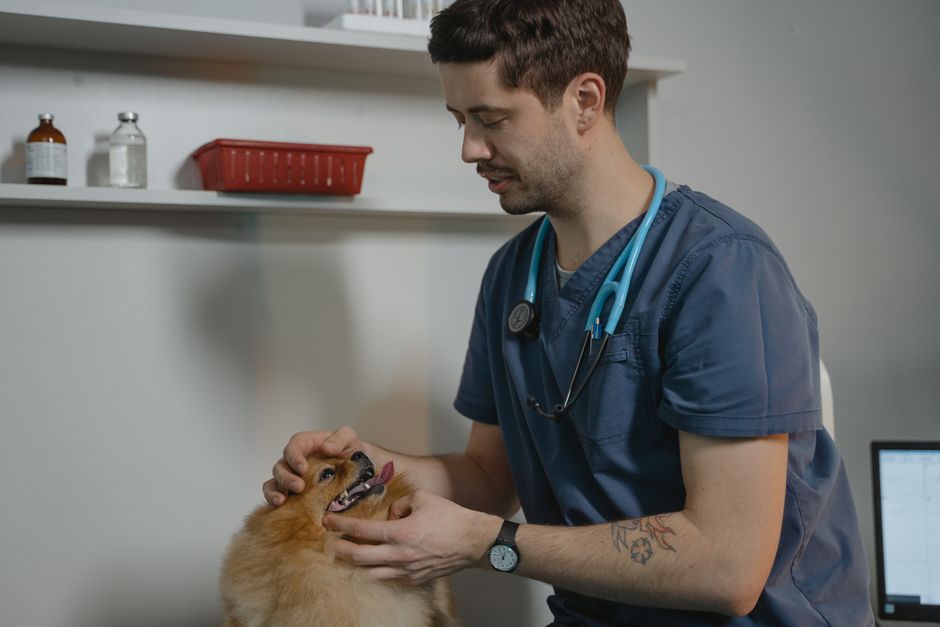
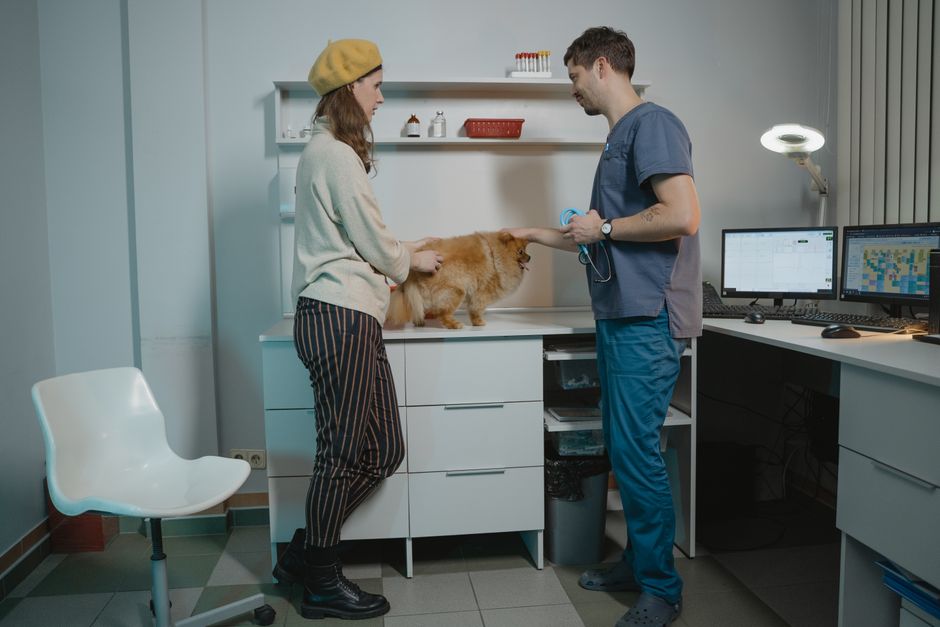
When a pet is referred to The Veterinary Internal Medicine Group, our first priority is a comprehensive evaluation. We begin with a detailed review of your pet’s medical history and prior test results, followed by a physical examination tailored to their specific symptoms. The next step often involves advanced imaging; for many complex cases, abdominal ultrasound services providing real-time evaluation of internal organs in pets are a cornerstone of our diagnostic approach. Ultrasound allows us to visualize the liver, kidneys, intestines, pancreas, and other abdominal structures in real-time, providing far more detail than standard radiographs.
In cases where we identify abnormal tissues or masses, we may recommend ultrasound-guided fine needle aspirates for evaluating masses and abnormal tissues in pets. This minimally invasive technique involves using ultrasound to guide a tiny needle into the area of concern, allowing us to collect cells for analysis without major surgery. For issues within the chest that are not related to the heart, non-cardiac thoracic ultrasound services for investigating chest-related conditions in pets can help us assess the lungs, chest wall, and mediastinum to identify fluid, masses, or structural abnormalities.
When even more detailed imaging is needed, we collaborate with local partners to offer advanced CT and fluoroscopy imaging options. These technologies provide cross-sectional images and dynamic studies, which are especially useful for evaluating complex cases involving the liver, lungs, or gastrointestinal tract. Our internal medicine specialists may also perform diagnostic procedures such as abdominocentesis, thoracocentesis, or pericardiocentesis to safely collect fluid samples for laboratory analysis, further refining our understanding of your pet’s condition.
Treatment Options: What to Expect from Specialty Care
Once we have arrived at a diagnosis, treatment plans are customized to your pet’s specific needs. Internal medicine treatment often involves a combination of medications, dietary management, and ongoing monitoring. For example, a dog diagnosed with immune-mediated disease may require immunosuppressive therapy, while a cat with chronic kidney disease might benefit from specialized diets, fluid therapy, and regular check-ups to monitor kidney function.
In some cases, advanced procedures are necessary. If a mass is discovered during imaging, the next steps might include minimally invasive biopsies or referral for surgical removal. Pets with fluid accumulation in the abdomen or chest may require repeated drainage procedures, which our veterinary professionals can perform safely with minimal discomfort. We always prioritize your pet’s comfort and quality of life, using the least invasive methods possible to achieve the best outcomes.
Our team works closely with your primary care veterinarian throughout the process, ensuring seamless communication and coordinated care. We believe that collaboration is key to managing chronic or complex diseases, especially when long-term treatment and follow-up are required.
Supporting Your Pet at Home: Prevention and Ongoing Care
While not all internal medicine conditions can be prevented, there are steps you can take at home to support your pet’s health and improve their quality of life. Routine wellness visits with your general veterinarian are essential for catching early signs of disease, especially as your pet ages. Monitoring your dog or cat for subtle changes in behavior, appetite, or bathroom habits can provide valuable clues that something is amiss.
For pets with known chronic conditions, following your veterinary team’s recommendations for medication, diet, and activity level is crucial. Keep a daily record of your pet’s symptoms, and do not hesitate to reach out if you notice new or worsening problems. In the warm climate of Miami and the surrounding areas, it is also important to be vigilant about hydration, heat stress, and exposure to environmental toxins or parasites.
Our internal medicine specialists are here to provide education and guidance, helping you navigate the challenges of managing chronic illness at home. You can find more about educational information about board-certified veterinary specialists and when specialty care may benefit pets on our website, which offers further resources to help you care for your pet between visits.
When to Seek Professional Veterinary Internal Medicine Services
It can be difficult to know when to act, especially if your pet’s symptoms are mild or intermittent. However, waiting too long can allow potential diseases to progress, making treatment more challenging. You should seek the expertise of a veterinary internal medicine specialist if your dog or cat has ongoing symptoms that do not respond to initial treatment, if laboratory tests show unexplained abnormalities, or if your veterinarian recommends advanced imaging or specialized procedures.
Immediate attention is required for symptoms such as difficulty breathing, sudden collapse, persistent vomiting or diarrhea with dehydration, severe lethargy, or the appearance of a rapidly growing mass. Our team at The Veterinary Internal Medicine Group is equipped to handle urgent referrals and complex cases, ensuring that your pet receives the highest standard of care in a timely manner.
If you are searching for a specialty vet near me, choosing a board-certified veterinary internal medicine group with advanced diagnostics in Miami ensures your pet has access to the latest technology and expert support.
Trust Miami’s Veterinary Internal Medicine Experts: Next Steps for Your Pet
Navigating chronic or complex health conditions in your dog or cat can be daunting, but you do not have to do it alone. Our board-certified veterinary internal medicine specialists at The Veterinary Internal Medicine Group are here to provide answers, guidance, and hope for pets throughout Miami and nearby communities. With advanced diagnostics such as abdominal ultrasound, ultrasound-guided fine needle aspirates, and cutting-edge imaging, we are committed to delivering the very best care for your family.
If your pet is struggling with persistent or mysterious symptoms, or if your veterinarian has recommended specialist care, we encourage you to reach out to our team of veterinary professionals. Schedule an internal medicine consultation at our Miami location by calling (305) 677-2015 or visiting 12968 Southwest 132nd Avenue, Miami, FL 33186. For more insights like this miami veterinary services blog or to learn more about how advanced internal medicine can help your pet, explore our website or speak with our compassionate team today. Your pet’s health, comfort, and happiness are always our top priorities.