Miami Veterinary Services Blog: Signs Your Pet Needs Internal Medicine

Miami Veterinary Services Blog: Signs Your Pet Needs Internal Medicine
When your pet shows signs of illness that just do not seem to resolve, it is natural to feel worried and unsure about what to do next. Many pet owners in Miami-Dade and Monroe counties and surrounding communities wonder when it is time to seek advanced veterinary care, especially when symptoms are complex or keep coming back. At The Veterinary Internal Medicine Group, located at 12968 Southwest 132nd Avenue, Miami, FL 33186, we specialize in diagnosing and managing challenging pet health conditions that require a deeper level of expertise. This miami veterinary services blog will guide you through the key signs that your cat or dog may need an internal medicine consult, explain why early detection matters, and help you understand how advanced diagnostics like ultrasound can make a real difference for your pet’s health. If you have questions about persistent or puzzling symptoms, our team of veterinary internal medicine professionals is here to help.
Recognizing the Signs: When Should You Consider Internal Medicine for Your Pet?
Cats and dogs are experts at hiding discomfort. Many of the most serious internal medicine conditions develop gradually, with subtle changes that can be easy to overlook. However, there are certain warning signs that suggest your pet may benefit from a specialized evaluation. These symptoms include unexplained weight loss, ongoing vomiting or diarrhea, sudden changes in appetite or thirst, persistent coughing, difficulty breathing, or signs of abdominal discomfort such as bloating or repeated stretching. You may also notice your pet is less active, seems more withdrawn, or has a dull or rough coat. In cats, inappropriate urination or increased hiding behavior can be clues that something is wrong internally. For dogs, repeated episodes of lethargy or signs of pain when being picked up may signal an underlying issue.
It is important to remember that these symptoms can point to a wide range of problems, from mild infections to complex metabolic or organ-related diseases. If you notice any of these changes in your pet, especially if they last more than a few days, it is time to talk to your primary veterinarian. In cases where standard treatments do not resolve the issue, a referral to a veterinary internal medicine specialist can help uncover the true cause and guide effective treatment.
Understanding Why Internal Medicine Problems Happen
Many pet owners wonder why their otherwise healthy cat or dog develops serious internal health issues. The causes of internal medicine conditions are varied and often complex. Genetics play a role in some diseases, especially in certain breeds that are predisposed to kidney, liver, or endocrine disorders. Environmental factors, such as exposure to toxins, infectious agents, or chronic stress, can also contribute to the development of internal organ dysfunction. Age is another factor; as pets grow older, they become more susceptible to chronic illnesses like diabetes, hyperthyroidism, or inflammatory bowel disease.
Some internal medicine conditions, such as autoimmune diseases, occur when the immune system attacks the body’s own tissues, leading to ongoing inflammation and organ damage. Others, like pancreatitis or chronic kidney disease, may begin with a single acute episode but progress over time. The key challenge is that many of these illnesses share overlapping symptoms, making accurate diagnosis difficult without advanced diagnostics. This is where specialized internal medicine consults and imaging services, such as veterinary ultrasound, become essential tools in unraveling complex health puzzles.
Advanced Diagnosis and Treatment Options for Complex Pet Conditions
When your pet is referred to The Veterinary Internal Medicine Group, our team utilizes cutting-edge diagnostic techniques to get to the root of the problem. Unlike general practice clinics, our focus is on deep, detailed evaluation of internal organs and body systems. The diagnostic process often begins with a comprehensive review of your pet’s medical history, previous test results, and symptom progression. Our veterinarians may recommend specialized bloodwork, urinalysis, or advanced imaging modalities.
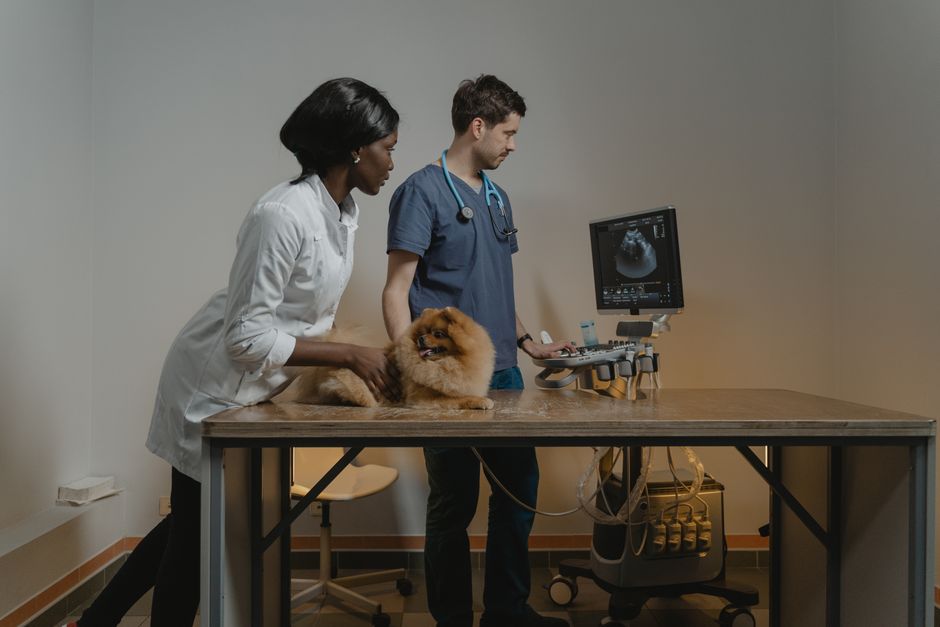
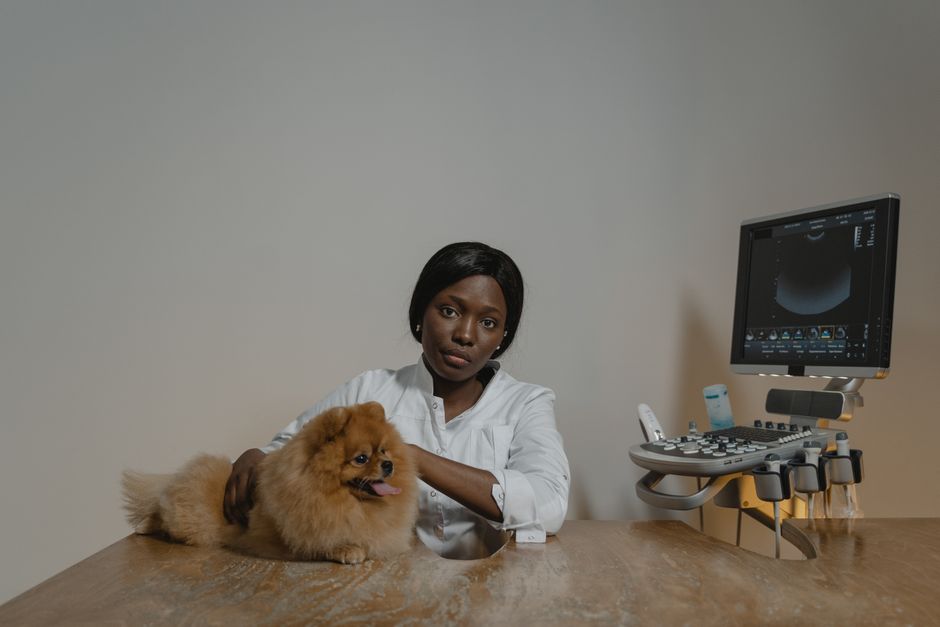
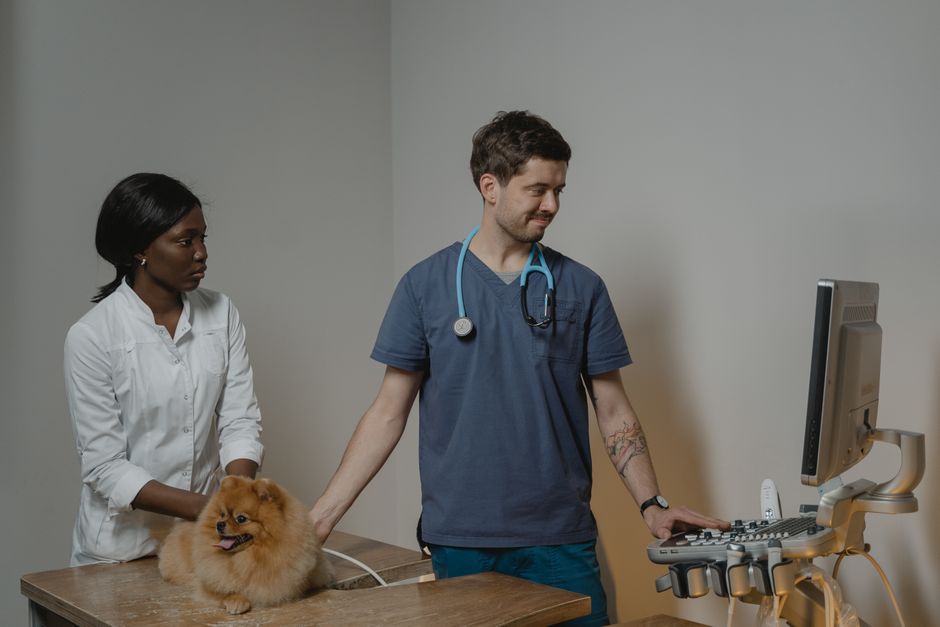
One of the most valuable tools in our diagnostic arsenal is veterinary ultrasound, which allows us to visualize organs such as the liver, kidneys, spleen, and intestines in real time. Ultrasound is non-invasive and helps us detect abnormalities like tumors, cysts, or inflammation. For cases requiring even more detail, our collaboration with MPI provides access to advanced imaging options like CT and fluoroscopy.
When specific tissue samples are needed for diagnosis, we may perform ultrasound guided fine needle aspirates, allowing us to collect cells from organs or masses safely and with minimal discomfort to your pet. Additional procedures, such as thoracic ultrasounds (for evaluating the chest and lungs), abdominocentesis, or thoracocentesis, further assist in diagnosing fluid accumulation or organ disease.
Treatment plans are always tailored to the individual pet and diagnosis. Depending on the underlying condition, therapy may involve medications to control inflammation, specialized diets, immune-modulating drugs, or supportive care such as fluid therapy. Our internal medicine team works closely with your primary veterinarian to ensure seamless communication and ongoing management of chronic or complex diseases.
What Pet Owners Can Do at Home: Supporting Your Pet’s Internal Health
While some internal medicine diseases cannot be prevented, there are important steps you can take to support your pet’s overall health and catch problems early. Regular wellness exams with your primary veterinarian are essential for monitoring changes over time. Keeping up-to-date records of your pet’s appetite, water intake, weight, and activity levels can provide valuable clues if symptoms arise. If your pet has a chronic condition, administering medications as prescribed and maintaining any recommended dietary changes is critical.
Environmental enrichment, stress reduction, and maintaining a healthy weight all play roles in reducing risk factors for internal illnesses. For cats, providing opportunities for play, perches, and litter box hygiene helps prevent stress-related issues. For dogs, regular exercise, interactive toys, and consistent routines can make a difference. If your pet is on long-term medication or has been diagnosed with an internal disorder, routine monitoring and follow-up visits are crucial for early detection of any changes.
Educating yourself about your pet’s specific risks and recognizing early warning signs is one of the most effective ways to ensure timely intervention. Our team at The Veterinary Internal Medicine Group encourages pet owners to seek out specialty veterinary care education resources to stay informed about the latest advances in pet health.
When to Seek Help from a Veterinary Internal Medicine Specialist
Knowing when to ask for a referral to an internal medicine specialist can be challenging. Key situations where a specialty consult is recommended include recurring or unexplained symptoms that do not resolve with standard treatment, abnormal laboratory results that require further evaluation, or when imaging studies suggest possible organ dysfunction or masses. Pets with chronic illnesses such as diabetes, kidney failure, or autoimmune disease often benefit from the advanced diagnostics and tailored treatment options available through specialty care.
If your primary veterinarian suggests a referral, it is because your pet’s needs go beyond the scope of routine care. Working with a specialty team ensures that your pet receives comprehensive evaluation and access to advanced procedures not available at all clinics. At The Veterinary Internal Medicine Group, we serve as a trusted resource for Miami-Dade and Monroe counties and the surrounding communities, providing specialized internal medicine consults and diagnostics to help pets live healthier, more comfortable lives.
Take the Next Step: Advanced Pet Diagnostics and Internal Medicine in Miami
If you have noticed persistent or unusual symptoms in your cat or dog, or if your primary veterinarian has recommended further testing, The Veterinary Internal Medicine Group is here to support you and your pet every step of the way. Early detection and expert diagnosis are the keys to successful treatment of complex internal medicine conditions. Our team of veterinary internal medicine professionals is dedicated to compassionate, thorough care, using the latest technology to provide answers when you need them most.
For pet owners searching for a specialty vet near me, our Miami-based practice offers advanced internal medicine consults, ultrasound, and a full range of diagnostic services from our convenient Miami location. If you are ready to take the next step or have questions about whether your pet could benefit from a specialty evaluation, we invite you to reach out to our veterinary team. You can call us at (305) 677-2015 to schedule a consult or learn more about how our Miami-Dade and Monroe counties veterinary services blog can help guide you through your pet’s health journey. Your pet’s comfort and well-being are always our top priorities.
This article is intended for informational purposes only and should not replace professional veterinary consultation. If your pet is experiencing an emergency or severe symptoms, contact your regular veterinarian immediately.