Miami Veterinary Services Blog: Why Pet Ultrasound Matters


Miami Veterinary Services Blog: Why Pet Ultrasound Matters
When your pet is facing an unexplained illness or a complex health concern, every moment spent searching for answers can feel overwhelming. At The Veterinary Internal Medicine Group, our specialty team in 12968 Southwest 132nd Avenue, Miami, FL 33186 understands the urgency and worry that comes with waiting for a diagnosis. This miami veterinary services blog is dedicated to helping pet owners in Miami and surrounding communities understand how advanced ultrasound and diagnostic imaging are transforming the way we uncover—and treat—hidden health issues in dogs and cats. Whether your family veterinarian has recommended a specialty consult or you’re seeking clarity about your pet’s symptoms, our board-certified internal medicine team brings expertise and compassionate care right here to South Florida. In the following sections, we’ll explore how ultrasound works, when it’s needed, what you can expect from the process, and how timely answers can make all the difference for your pet’s wellbeing.
Recognizing When Your Pet Needs Advanced Diagnostics
It can be difficult to know when your pet’s symptoms require more than a routine examination. Subtle changes in behavior or appetite often leave owners wondering if something more serious is developing. Common warning signs that may indicate a need for specialized internal medicine diagnostics include unexplained weight loss, persistent vomiting or diarrhea, sudden changes in drinking or urination, and abdominal discomfort such as restlessness, whining, or tensing when touched. Other red flags involve chronic coughing, labored breathing, or the discovery of an unusual lump or swelling. In some cases, your family veterinarian may notice abnormalities on bloodwork or X-rays that call for advanced imaging to clarify the cause.
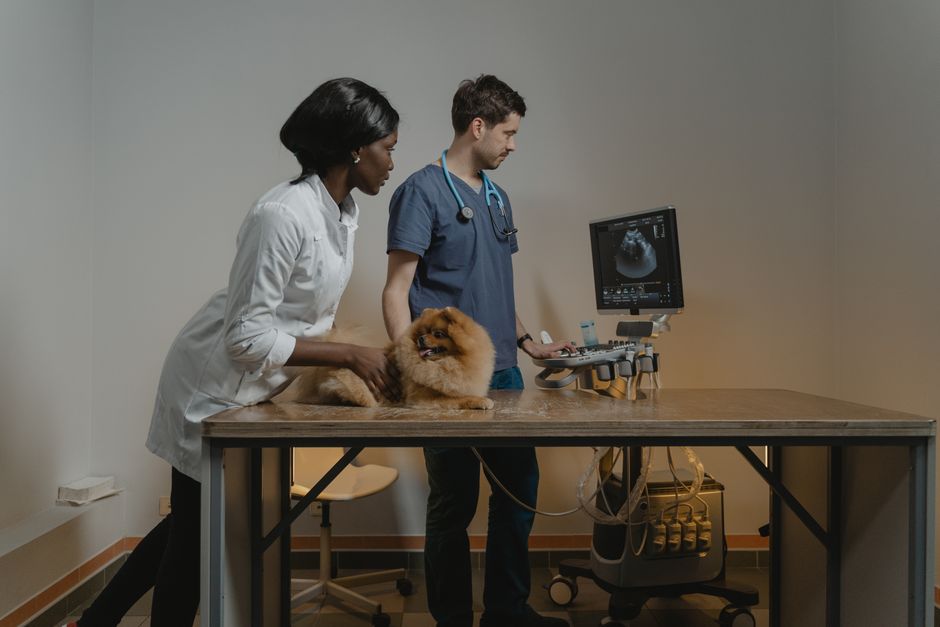
Ultrasound is particularly valuable when physical exams and routine diagnostics have not provided clear answers. Unlike X-rays, which offer a flat, two-dimensional view, ultrasound enables our internal medicine team to examine your pet’s organs, soft tissues, and even blood flow in real time. This makes it possible to identify internal problems—including masses, fluid buildup, inflammation, or organ dysfunction—at a much earlier stage than with many other diagnostics. If your dog or cat is showing signs such as lethargy, unexplained pain, or ongoing digestive issues, an ultrasound may provide the essential insights needed to guide treatment.
Understanding the Role of Ultrasound in Veterinary Internal Medicine
Ultrasound is a non-invasive, pain-free imaging technique that uses sound waves to create detailed pictures of internal organs. At The Veterinary Internal Medicine Group, we use state-of-the-art ultrasound technology to investigate a wide range of complex health issues in Miami’s pets. This advanced tool offers several key benefits for both diagnosis and ongoing management.
One of the main advantages of ultrasound is its ability to visualize internal structures with much greater detail than traditional X-rays. This is especially important when evaluating soft tissue organs like the liver, spleen, kidneys, intestines, pancreas, and bladder. Ultrasound can detect subtle changes in organ texture, abnormal growths, cysts, or pockets of fluid that may go unnoticed with other imaging methods. It also allows our veterinary professionals to monitor blood flow and assess how well organs are functioning in real time.
In addition to abdominal scans, our team provides thoracic ultrasounds to assess the lungs, chest cavity, and mediastinum for non-cardiac causes of respiratory distress. This can be vital for pets with persistent cough, unexplained breathing issues, or suspected masses in the chest. We also offer pregnancy checks to confirm and monitor the health of developing puppies or kittens, allowing for early intervention if concerns arise. For more information about the full range of our veterinary ultrasound services, visit our ultrasound service page.
Common Health Concerns Requiring Ultrasound Evaluation
There are many conditions where ultrasound is the diagnostic tool of choice for Miami pets. For example, gastrointestinal issues such as chronic vomiting, diarrhea, or suspected foreign body ingestion can be investigated thoroughly with abdominal ultrasound. This helps determine if there is an obstruction, abnormal growth, or underlying inflammation.
Urinary tract problems—including blood in the urine, difficulty urinating, or recurrent infections—may be caused by kidney stones, bladder tumors, or congenital defects. Ultrasound can pinpoint the location and nature of these issues, guiding the best course of treatment. Liver and spleen abnormalities, such as enlargement, nodules, or signs of infection, are often best visualized with ultrasound, which provides detailed insight for accurate diagnosis.
Additionally, unexplained weight loss, poor appetite, or sudden changes in behavior may have hidden causes within the abdomen or chest. Our internal medicine consults often rely on ultrasound to reveal masses, fluid buildup, or subtle organ changes that routine tests may miss. If your veterinarian has discovered a suspicious lump or swelling, we can use ultrasound-guided fine needle aspirates to safely obtain samples for laboratory analysis, improving the speed and accuracy of diagnosis. To learn more about this minimally invasive procedure, see our ultrasound guided fine needle aspirate diagnostic page.
What to Expect During a Veterinary Ultrasound
Many pet owners are understandably concerned about what an ultrasound appointment involves. The good news is that veterinary ultrasound is a gentle, non-invasive procedure that rarely requires sedation. Most pets only need to have a small area of fur shaved to allow the ultrasound probe to make contact with the skin. The exam itself is performed as your pet lies comfortably on a cushioned table, with a trained veterinary professional gently moving the probe over the area of interest.
The process is usually painless, though some pets may feel mild pressure or coolness from the ultrasound gel. Our internal medicine team works patiently to keep your pet calm and comfortable throughout the exam, frequently talking to them and using treats or gentle restraint as needed. In some cases, if your pet is especially anxious or uncomfortable, mild sedation may be recommended to ensure a thorough and stress-free evaluation.
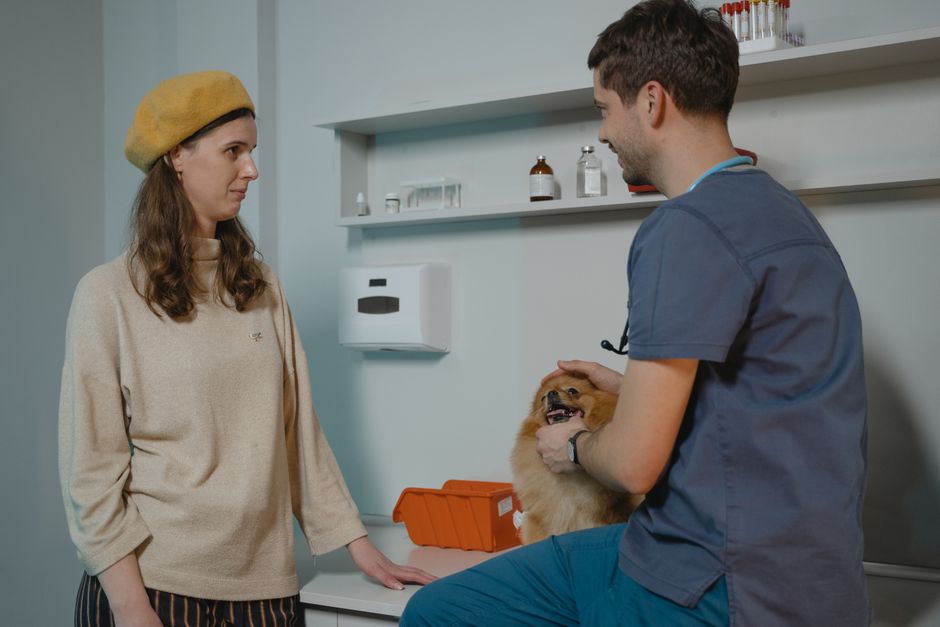
Ultrasound appointments typically last between 30 and 60 minutes, depending on the complexity of the condition and the number of areas being examined. Because ultrasound provides immediate images, our team can often discuss preliminary findings with you and your referring veterinarian on the same day, and your full written report follows within 3–5 business days. In situations where additional testing is needed—such as sampling a mass or evaluating fluid buildup—we will explain the procedure, answer your questions, and ensure you understand the next steps.
How Ultrasound Guides Treatment and Improves Outcomes
One of the most significant advantages of advanced diagnostic imaging is its ability to inform targeted, effective treatment plans. In many cases, ultrasound findings allow our veterinarians to distinguish between medical and surgical issues, determine the best approach for therapy, and avoid unnecessary procedures. For example, if an abdominal mass is found to be benign or easily accessible, we may recommend monitoring or a minimally invasive biopsy rather than immediate surgery.
When fluid is detected around the lungs, heart, or in the abdomen, ultrasound can guide precise removal, providing both relief and valuable diagnostic information. Our team is skilled in procedures such as abdominocentesis, thoracocentesis, and pericardiocentesis, which allow us to obtain samples safely and efficiently. To read more about these advanced diagnostic procedures, visit our miscellaneous diagnostic procedures page.
Ultrasound also plays an essential role in monitoring ongoing conditions. For pets with chronic diseases such as kidney or liver disease, regular ultrasounds help track progression and fine-tune treatment. In cases of cancer or immune-mediated illness, follow-up imaging provides critical information about how your pet is responding to therapy.
When Should You Seek Specialty Internal Medicine Care?
Knowing when to pursue advanced diagnostics can be challenging for pet owners. As a rule of thumb, if your pet’s symptoms are persistent, worsening, or unexplained by routine tests, it is time to consider a specialty consult. Your family veterinarian may refer you directly, or you can reach out to our internal medicine team to discuss your concerns. Early intervention is often the key to better outcomes, especially for complex or progressive conditions.
It is also important to seek specialty care if your pet has been diagnosed with a serious illness that requires ongoing monitoring, or if treatment is not producing the expected results. The Veterinary Internal Medicine Group partners closely with primary care veterinarians throughout Miami and surrounding communities, providing a collaborative approach that ensures your pet receives seamless, comprehensive care.
Our team is available for internal medicine consults, advanced imaging, and minimally invasive procedures to support your pet’s health at every stage. If you are unsure whether your pet’s condition requires a specialist, we encourage you to discuss your concerns with your veterinarian or contact us directly for guidance. Additional information about our consultative services can be found on our internal medicine consultation page.
How to Take Action: Supporting Your Pet’s Health at Home
While advanced diagnostics like ultrasound are performed by veterinary professionals, there are important steps you can take at home to support your pet’s health and facilitate the diagnostic process. Pay close attention to changes in your pet’s appetite, drinking habits, energy level, and bathroom behaviors. Keep a journal of any unusual symptoms, including when they began and how frequently they occur. This information can be invaluable in helping our internal medicine team identify patterns and possible causes.
Follow your veterinarian’s recommendations for routine wellness care, including vaccinations, parasite prevention, and regular check-ups. When advanced diagnostics are recommended, communicate openly with both your primary veterinarian and our specialty team to ensure all questions are addressed and your pet’s care is coordinated effectively.
Remember, acting promptly when symptoms arise—rather than waiting for them to worsen—can make a significant difference in your pet’s comfort and recovery.
Your Miami Veterinary Services Blog Resource for Pet Ultrasound and Beyond
When your pet’s health is on the line, access to specialty veterinary diagnostics can provide peace of mind and life-saving answers. The Veterinary Internal Medicine Group is proud to serve Miami and surrounding communities as a trusted resource for advanced ultrasound, internal medicine consults, and minimally invasive procedures. If you are searching for a specialty vet near me who can partner with your family veterinarian, our team is ready to help you navigate even the most complex cases.
To learn more about our miami veterinary services blog, advanced imaging options, or to schedule a consult, visit us online or reach out by phone at (305) 677-2015. Our board-certified veterinary professionals are committed to providing the highest level of care for your dog or cat, using the latest technology and a compassionate, collaborative approach.
If you have concerns about your pet’s health or have been referred for an ultrasound, do not hesitate to contact us at our Miami location. For more educational resources and detailed information about specialty veterinary care, explore our specialty vet care education page. Your pet’s health and comfort are our top priorities, and we are here to support you every step of the way.