Veterinary Internal Medicine: Early Detection for Complex Pet Illnesses

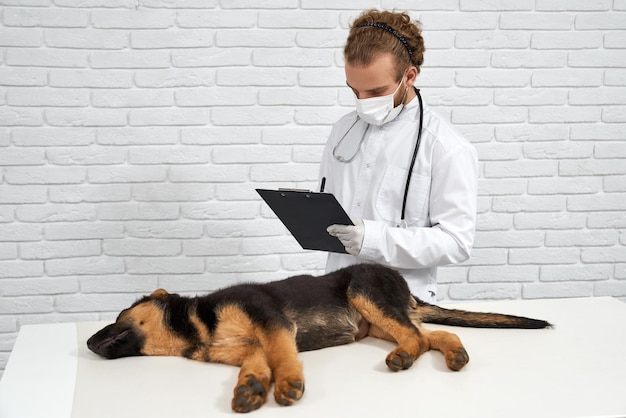
Veterinary Internal Medicine: Early Detection for Complex Pet Illnesses
When your pet starts showing unexplained symptoms—like persistent vomiting, sudden weight loss, or ongoing fatigue—it is natural to feel worried and uncertain about what steps to take next. Many pet owners in Miami-Dade and Monroe counties and surrounding communities are familiar with the anxiety that comes from not knowing what is causing their companion’s discomfort. At The Veterinary Internal Medicine Group, our team of board-certified specialists is dedicated to unraveling these complex health mysteries using the most advanced diagnostics and internal medicine expertise. Early detection can make an enormous difference in your pet’s prognosis, quality of life, and long-term health. In this blog, we will explore the vital role of veterinary internal medicine in identifying underlying illnesses early, the specialized diagnostics we offer, and how prompt specialty care can support your pet’s well-being.
Recognizing the Signs: When to Consider Veterinary Internal Medicine
Pet health concerns often begin with subtle or confusing signs. Recognizing when your dog or cat might need the attention of a veterinary internal medicine specialist is the first step toward the right diagnosis and treatment. Key symptoms include unexplained vomiting that lasts more than a day, chronic diarrhea, weight loss without dietary changes, persistent coughing, increased drinking or urination, jaundice (yellowing of the gums or eyes), and changes in appetite or energy levels. Additional warning signs can be difficulty breathing, abdominal swelling, or ongoing fevers that do not respond to routine care.
These symptoms may wax and wane, or they might not fit neatly into common illnesses. For example, a cat that loses weight yet continues to eat, or a dog that develops frequent urinary tract infections despite treatment, may both be experiencing underlying issues that require advanced diagnostics. If you notice these ongoing or puzzling changes in your pet’s behavior or health, it is time to consider a referral to a veterinary internal medicine specialist.
Understanding the Causes: Why Complex Illnesses Develop
Internal medicine encompasses a wide range of diseases affecting the organs and body systems that are not always visible from the outside. Conditions such as kidney disease, liver disorders, immune-mediated diseases, hormonal imbalances like diabetes or Cushing’s disease, gastrointestinal disorders, and certain types of cancer often develop gradually. Genetics, age, breed, lifestyle, and even the South Florida climate can influence a pet’s susceptibility to these illnesses.
In many cases, the underlying cause is hidden deep within the body, making diagnosis challenging with standard tests alone. For example, a dog living in Miami’s humid environment might be more prone to some tick-borne diseases, while older cats are at increased risk for kidney or thyroid problems. In addition, some conditions can mimic others, with similar symptoms but vastly different treatments. This complexity makes specialized diagnostics and a comprehensive approach essential. Veterinary internal medicine specialists are trained to piece together the clues from your pet’s history, laboratory results, and advanced imaging in order to identify these elusive conditions.
Advanced Diagnostics: How Our Team Finds the Answers
When your pet is referred to The Veterinary Internal Medicine Group, our approach begins with a thorough review of your companion’s medical history and previous diagnostic tests. We then use a combination of specialized imaging, laboratory analysis, and minimally invasive procedures to gather more information. Our internal medicine consults are designed to provide clarity when standard diagnostics have not yielded answers.
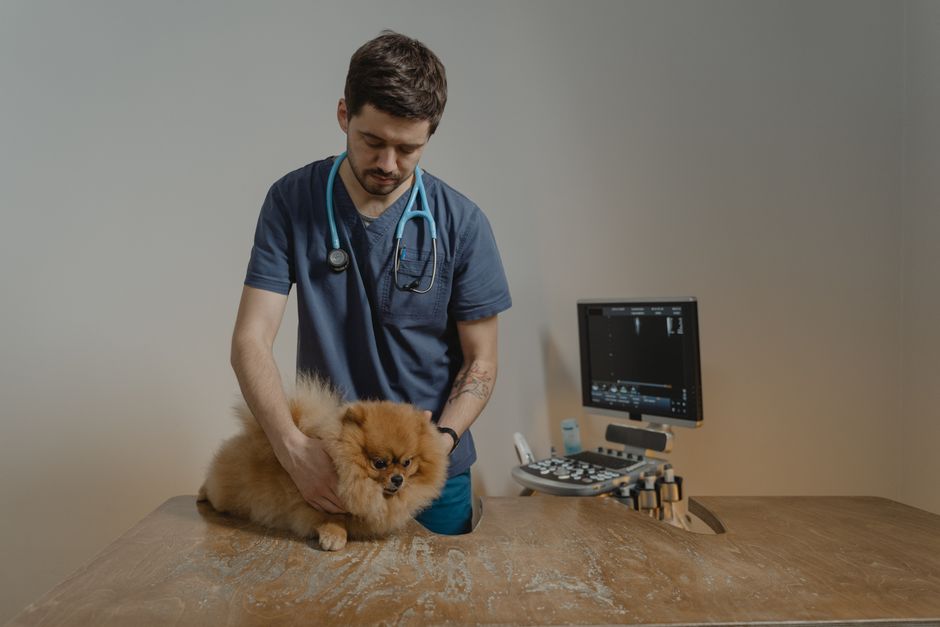
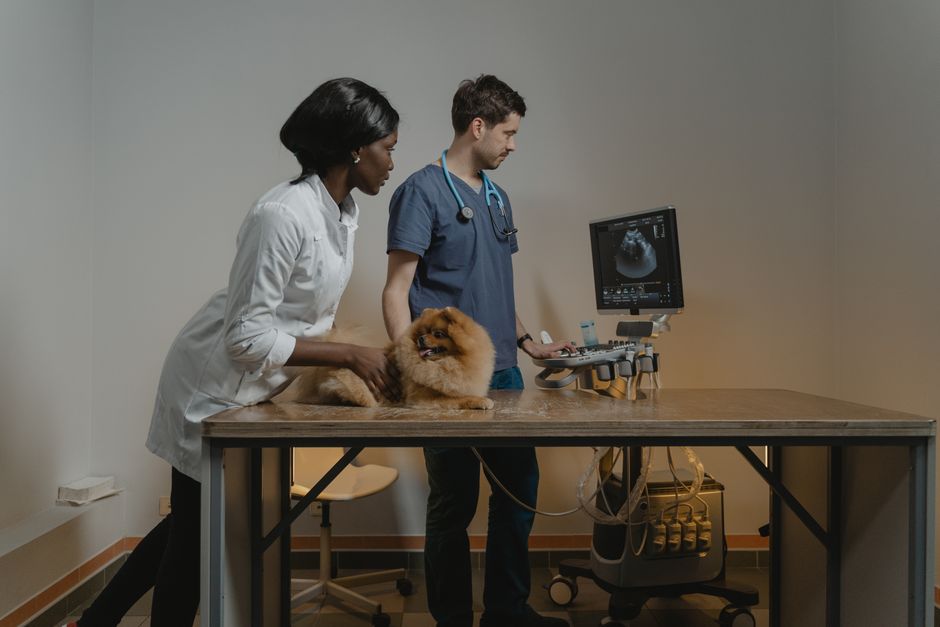
One of the most valuable tools in our toolkit is an abdominal ultrasound, which allows our specialists to visualize internal organs in real time. This non-invasive procedure can detect tumors, organ changes, or abnormal fluid accumulation that would not be visible on standard X-rays. For a more targeted assessment, we may perform ultrasound-guided fine needle aspirates, which involve using ultrasound to guide a thin needle directly to a mass or area of concern to collect cells for analysis. This approach allows for high-precision diagnosis with minimal discomfort to your pet.
In addition, our diagnostic laboratory provides advanced blood work, urinalysis, and specialized tests that can evaluate organ function, detect infections, or assess for autoimmune diseases. For particularly challenging cases, our collaboration with imaging partners offers advanced options such as CT and fluoroscopy, enabling us to examine complex anatomical structures and subtle changes that could be missed otherwise.
Treatment and Management: What to Expect from Specialty Care
Once our diagnostic process reveals the underlying illness, our veterinary internal medicine team develops a tailored treatment plan for your pet. Treatment approaches vary widely depending on the specific diagnosis, but always involve a combination of medical management, ongoing monitoring, and owner education. For example, a cat with early-stage kidney disease may benefit from dietary adjustments, medications to support kidney function, and regular rechecks to monitor progression. A dog diagnosed with immune-mediated anemia might require immunosuppressive therapy, careful monitoring of blood counts, and supportive care.
Many conditions seen in internal medicine are chronic, requiring lifelong management rather than a one-time cure. Our veterinary specialists work closely with your primary care veterinarian to ensure continuity of care and to keep you informed at every step. Complex cases may involve periodic advanced imaging, laboratory rechecks, or minimally invasive procedures to monitor treatment response and adjust therapies as needed. We understand that managing a chronic illness can be overwhelming, and our goal is to partner with you to optimize your pet’s quality of life throughout their journey.
Prevention and Home Care: Steps Pet Owners Can Take
While some complex illnesses are unavoidable due to genetics or age, there are proactive steps you can take to support your pet’s health. Regular wellness exams with your primary veterinarian are the foundation for early detection, as subtle changes in lab work or physical exams often provide the first clues that something may be wrong. Keeping detailed notes about your pet’s appetite, behavior, and energy levels can help your veterinary team identify changes early.
Promptly reporting any new or recurring symptoms is crucial, especially if your pet has a history of chronic illness. Follow your veterinarian’s recommendations regarding diet, medications, and follow-up testing. For pets with diagnosed conditions, stick to the prescribed treatment plan and schedule all recommended rechecks or imaging appointments. Staying informed about your pet’s condition by asking questions and seeking specialty care when indicated can make a significant difference in outcomes.
For those living in Miami-Dade and Monroe counties and the surrounding communities, environmental factors such as heat, humidity, and exposure to local parasites can impact your pet’s health. Regular parasite prevention, maintaining a healthy weight, and minimizing exposure to toxins or harmful substances are additional ways to reduce risk.
When to Seek Veterinary Internal Medicine Care
Knowing when to seek specialty care can be challenging, especially when symptoms are vague or seem to resolve on their own. Consider a referral to a veterinary internal medicine specialist if your pet is experiencing ongoing symptoms that do not improve with standard treatment, such as chronic vomiting, weight loss, recurrent infections, or persistent changes in behavior or mobility. Your primary veterinarian may also recommend referral if diagnostic tests point toward a complex or systemic illness that requires advanced imaging, specialized laboratory analysis, or expert interpretation.
Immediate specialty care is warranted if you notice sudden collapse, severe breathing difficulty, profuse bleeding, or unresponsiveness. In such cases, seek emergency veterinary services right away and notify your primary veterinarian about the situation. For most chronic or complex illnesses, timely intervention by an internal medicine specialist can lead to earlier diagnosis and more successful management. If you are searching for a "specialty vet near me" in Miami-Dade and Monroe counties, our veterinary professionals are ready to help you navigate these challenging health concerns with compassion and expertise.
Conclusion: Taking Action for Your Pet’s Health
Complex pet health problems can be both emotionally and medically challenging, but you do not have to face them alone. Early detection through veterinary internal medicine offers the best chance for successful treatment and a longer, healthier life for your companion. At The Veterinary Internal Medicine Group, our team of board-certified specialists is dedicated to providing advanced diagnostics, expert consultations, and ongoing support for pets and their families in Miami-Dade and Monroe counties and surrounding communities.
If you have concerns about your pet’s health or have been referred for specialized care, we encourage you to contact us for a comprehensive internal medicine consult. Our team is here to answer your questions, explain diagnostic options, and guide you through every stage of diagnosis and treatment. To schedule a consultation or discuss your pet’s symptoms, call us at (305) 677-2015 or visit our clinic at 12968 Southwest 132nd Avenue, Miami, FL 33186. When searching for a specialty vet near me, trust The Veterinary Internal Medicine Group to provide the expertise and support your pet deserves.
This article is for educational purposes only and does not replace professional veterinary advice. Always consult with your veterinarian or a veterinary specialist for specific concerns about your pet’s health.