Veterinary Internal Medicine: Signs Your Pet Needs a Specialist


Veterinary Internal Medicine: Signs Your Pet Needs a Specialist
When your pet experiences persistent or puzzling health issues, it can be both stressful and overwhelming to know where to turn next. Many families in Miami-Dade and Monroe counties and surrounding communities rely on their primary veterinarians for everyday care, but there are times when a pet’s symptoms are complex enough to require the expertise of a veterinary internal medicine specialist. At The Veterinary Internal Medicine Group (VIMG) Mobile Service, our board-certified specialists provide advanced diagnostics, consultations, and procedures right here in Miami, FL. Whether your veterinarian has referred you or you’re curious about when to seek veterinary internal medicine, this guide will help you recognize important signs and understand how specialty care can make all the difference for your pet’s health.
This article will walk you through the warning signs that suggest your pet could benefit from an internal medicine consultation, the underlying causes of chronic or unexplained issues, what to expect from specialty diagnostics and treatment, and how our mobile service brings high-level care directly to your veterinarian’s practice. We’ll also share tips for managing your pet’s health at home and help you decide when it’s time to reach out for expert support.
Recognizing Signs Your Pet May Need Veterinary Internal Medicine
Most pet owners know their pets better than anyone else, so when something just doesn’t seem right, it’s important to trust your instincts. General symptoms that might indicate a need for veterinary internal medicine include persistent vomiting or diarrhea, unexplained weight loss, ongoing coughing or breathing difficulties, increased thirst and urination, or chronic skin lesions that do not heal with standard treatments. Other red flags are recurring urinary tract infections, seizures that do not respond to basic management, or abnormal lab results that your regular veterinarian can’t fully explain.
In some cases, you might notice your dog or cat seems lethargic for weeks, struggles to eat, or shows visible discomfort without an obvious cause. Abdominal distension, a swollen belly, or the appearance of jaundice (yellow gums or eyes) are also concerning and may point toward internal organ dysfunction. If your pet’s condition improves only temporarily or relapses after initial treatment, this can be an indicator that something more complex is happening beneath the surface.
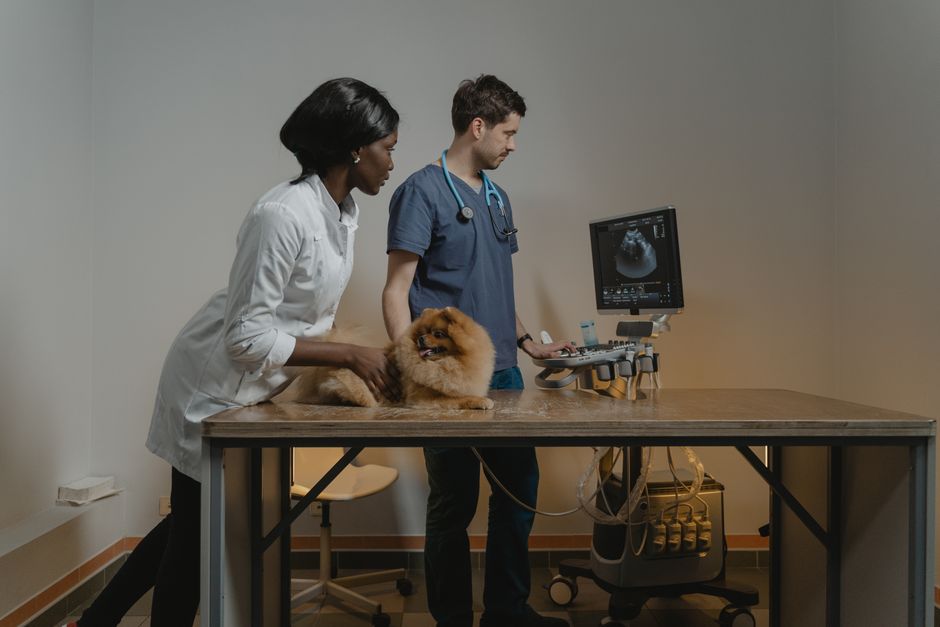
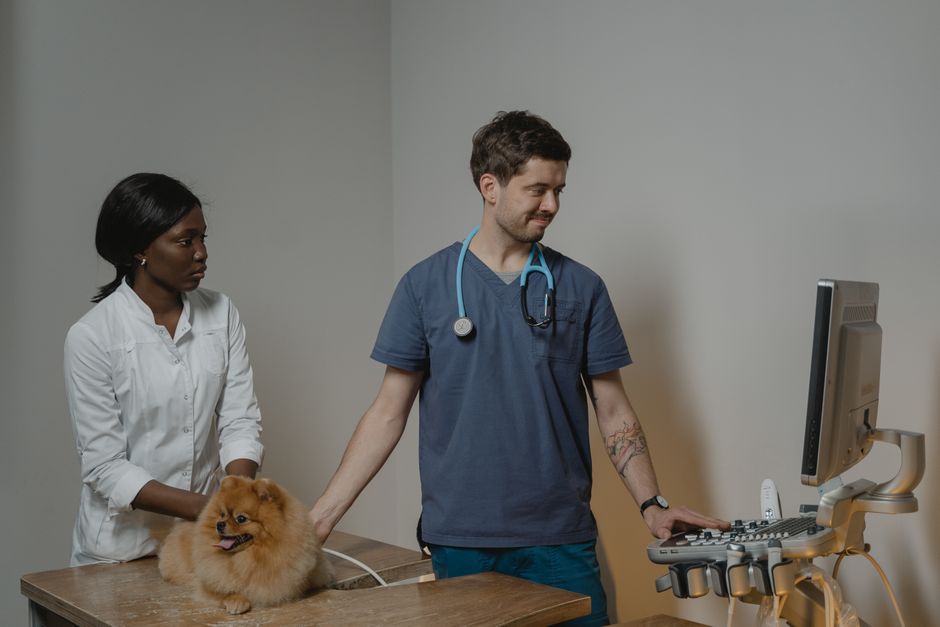
These types of cases often benefit from advanced diagnostics such as abdominal ultrasound, specialized laboratory tests, or procedures like fine needle aspirates. If your primary veterinarian has mentioned the need for further investigation or referral, partnering with a veterinary internal medicine team like VIMG can provide the answers you and your pet need.
What Causes Complex or Chronic Pet Health Issues?
Pets develop chronic or intricate health problems for many reasons, ranging from genetic predisposition to environmental factors and age-related changes. Some of the most common issues managed by veterinary internal medicine specialists include endocrine disorders such as diabetes or Cushing’s disease, chronic kidney or liver disease, inflammatory bowel disease, immune-mediated conditions, and infectious diseases that are difficult to diagnose with routine screening.
Certain breeds are more prone to specific conditions; for example, older cats frequently develop hyperthyroidism or chronic kidney failure, while some dog breeds are at higher risk for autoimmune or hormonal disorders. Miami’s warm, humid climate can also contribute to unique regional health challenges, such as vector-borne diseases or fungal infections that may require advanced testing to identify.
Underlying causes can be multifaceted. Sometimes a subtle metabolic imbalance affects multiple organ systems, or a hidden tumor disrupts normal body functions over time. In these situations, advanced imaging options, including abdominal ultrasound or collaboration for CT scans and fluoroscopy, can become essential. Our team often works with primary veterinarians to interpret complex lab results, perform targeted procedures such as abdominal ultrasound, or provide diagnostic laboratory services that are not available in general practice.
How Veterinary Internal Medicine Specialists Diagnose and Treat
When your veterinarian refers your pet to a veterinary internal medicine specialist, the goal is always to reach an accurate diagnosis and develop a tailored treatment plan. The process typically begins with a detailed medical history and review of all previous diagnostics. Our internal medicine team leverages advanced imaging, including ultrasound and, when indicated, CT or fluoroscopy through collaborative partners, to visualize internal organs and identify abnormalities that cannot be detected through physical examination alone.
Diagnostic approaches may involve thorough blood and urine testing, endocrine function tests, and procedures such as ultrasound-guided fine needle aspirates or fluid sampling. Key treatment options include tailored medical management for chronic diseases, immune-modulating therapies, and minimally invasive diagnostic or therapeutic procedures such as abdominocentesis or thoracocentesis. These procedures allow us to safely obtain samples or relieve discomfort for pets with fluid accumulation in the abdomen or chest.
Every patient receives an individualized treatment plan designed to address the underlying condition, manage symptoms, and improve quality of life. Our mobile service model means we can deliver these advanced diagnostics and procedures directly to your veterinarian’s clinic, minimizing stress for your pet and ensuring seamless collaboration between your primary veterinarian and our internal medicine specialists. For many chronic diseases, ongoing telemedicine follow-ups and regular laboratory monitoring form the cornerstone of long-term management.
For more information on what to expect during a specialty consultation or to understand the role of board-certified veterinary specialists, you can explore our educational resources about specialty care and board certification.
Supporting Your Pet at Home: Prevention and Monitoring
While some internal medicine conditions are not preventable due to genetics or age, there are proactive steps you can take to support your pet’s overall health and potentially reduce the risk of chronic disease. Ensuring your pet receives regular wellness exams, maintains a healthy weight, and follows recommended vaccination and parasite prevention schedules helps address many underlying risk factors early.
Monitor your pet closely for subtle changes in appetite, energy level, litter box or bathroom habits, and behavior. Keeping a health journal with notes about new symptoms or medication changes can be invaluable if your pet develops a chronic condition. If your veterinarian recommends advanced diagnostics, follow up promptly and maintain clear communication about any changes you observe at home.
Pets with chronic diseases benefit from consistent routines, stress reduction, and adherence to prescribed diets or medication regimens. Your veterinary internal medicine specialist can provide tailored advice based on your pet’s specific diagnosis and needs, ensuring you have the resources and support required to manage their health at home.
When to Seek Veterinary Internal Medicine Care
It’s natural to wonder when it’s time to take the next step and consult with a veterinary internal medicine specialist. Generally, if your pet’s symptoms persist beyond a few days despite standard treatment, if lab results remain abnormal without a clear explanation, or if your veterinarian recommends advanced diagnostics or procedures, it’s time to consider specialty care.
You should also seek an internal medicine consultation if your pet has a chronic condition that is not responding to current treatment plans, if you observe sudden and severe changes such as collapse, seizures, or significant difficulty breathing, or if your pet requires specialized procedures like an abdominal ultrasound or fluid sampling. Our team at The Veterinary Internal Medicine Group is committed to working closely with your primary veterinarian to ensure continuity of care and optimal outcomes for your beloved companion.
If you are searching for a veterinary internal medicine vet near me or want to understand whether your pet could benefit from a specialist’s perspective, don’t hesitate to reach out for guidance. Early intervention can lead to more accurate diagnoses, targeted therapy, and improved quality of life for pets facing complex health challenges.
Taking the Next Step: Contacting a Veterinary Internal Medicine Specialist in Miami
When your pet’s health concerns go beyond the scope of primary care, partnering with a board-certified veterinary internal medicine team can provide the answers and advanced care your pet deserves. At The Veterinary Internal Medicine Group, we proudly serve Miami, FL and surrounding communities with mobile consultations, specialized diagnostics, and collaborative case management alongside your trusted veterinarian.
If you’d like to schedule a consultation, discuss your pet’s ongoing symptoms, or learn more about our full range of services—including internal medicine consults, diagnostic laboratory services, and advanced imaging—our veterinary professionals are here to help. We understand how important it is to find clear answers and compassionate support during difficult times.
You can contact our team at (305) 677-2015 or visit our website for more details about our mobile service model and collaboration process. If your veterinarian has recommended a specialty referral or if you’re searching for a veterinary internal medicine vet near me, choose the expertise and convenience of The Veterinary Internal Medicine Group. We are committed to making advanced care accessible and stress-free for both you and your pet, every step of the way.
This article is intended for informational purposes only and does not replace professional veterinary advice. Always consult your veterinarian for specific guidance regarding your pet’s health.