What a Canine Internal Medicine Specialist Does for Your Dog

What a Canine Internal Medicine Specialist Does for Your Dog
When your dog faces a health issue that leaves you and your family veterinarian searching for answers, you may be referred to a canine internal medicine specialist. At The Veterinary Internal Medicine Group, located at 12968 Southwest 132nd Avenue, Miami, FL 33186, our team is dedicated to helping dogs with complex medical problems using advanced diagnostics and a thoughtful, collaborative approach. If you have ever wondered what sets a canine internal medicine specialist apart or how they can help your dog get the right diagnosis and treatment, you are not alone. This blog will guide you through what these experts do, which conditions they manage, how sophisticated tools like ultrasound can reveal hidden answers, and what to expect from a specialty referral in Miami and the surrounding communities. We will also discuss when to seek this level of expertise and how specialty care can complement your primary veterinarian’s efforts.
Recognizing When Your Dog May Need an Internal Medicine Specialist
Most dogs see their regular veterinarian for routine care, vaccinations, and common illnesses. However, some cases are more complicated and need the attention of a canine internal medicine specialist. If your dog is experiencing symptoms that do not resolve as expected, worsens despite treatment, or has an unusual combination of signs, it may be time to seek specialty care. Warning signs that could signal a deeper problem include persistent vomiting or diarrhea, unexplained weight loss, chronic coughing or labored breathing, increased thirst and urination, lethargy, difficulty walking, or ongoing fever. Other red flags are recurring infections, abnormal blood work that does not add up, or symptoms that return after initial improvement.
It is natural to feel frustrated when your dog’s condition remains a mystery despite multiple visits and standard tests. In these situations, a canine internal medicine specialist brings a fresh perspective and access to advanced diagnostics designed to get to the root of the problem.
Understanding the Role of a Canine Internal Medicine Specialist
A canine internal medicine specialist is a board-certified veterinarian with years of additional training focused on diagnosing and managing complex diseases in dogs. These specialists handle disorders of the internal organs, such as the liver, kidneys, gastrointestinal tract, lungs, endocrine glands, and immune system. Their expertise covers cases where a diagnosis is elusive or when a dog needs specialized procedures not commonly performed in general practice.
At The Veterinary Internal Medicine Group, our veterinary internal medicine team works closely with pet owners and referring veterinarians to develop an individualized plan for each patient. Our specialists use a combination of advanced imaging, laboratory evaluation, and specialized procedures to identify the source of your dog’s health issues. They understand that every dog’s situation is unique, so they spend extra time reviewing medical history, performing targeted examinations, and interpreting complex test results.
For a deeper look at the process and philosophy behind our internal medicine consultations, visit our page on internal medicine consultations for complex medical problems.
Common Conditions Treated by Canine Internal Medicine Specialists
Dogs are referred to internal medicine specialists for a variety of reasons. Some of the most common include chronic gastrointestinal disorders, such as inflammatory bowel disease or persistent vomiting and diarrhea, unexplained weight loss, liver and kidney diseases, immune-mediated conditions, complicated infections, respiratory issues like chronic coughing or unexplained breathing problems, and endocrine disorders including diabetes, Cushing’s disease, and Addison’s disease.
Additionally, if your dog has abnormal findings on imaging or blood work, such as masses or fluid accumulation, a specialist can perform more precise diagnostics. These might include ultrasound-guided fine needle aspirates to sample tissues, or advanced imaging studies to better understand the structure and function of your dog’s organs.
Advanced Diagnostics: How Ultrasound and Specialized Testing Help Your Dog
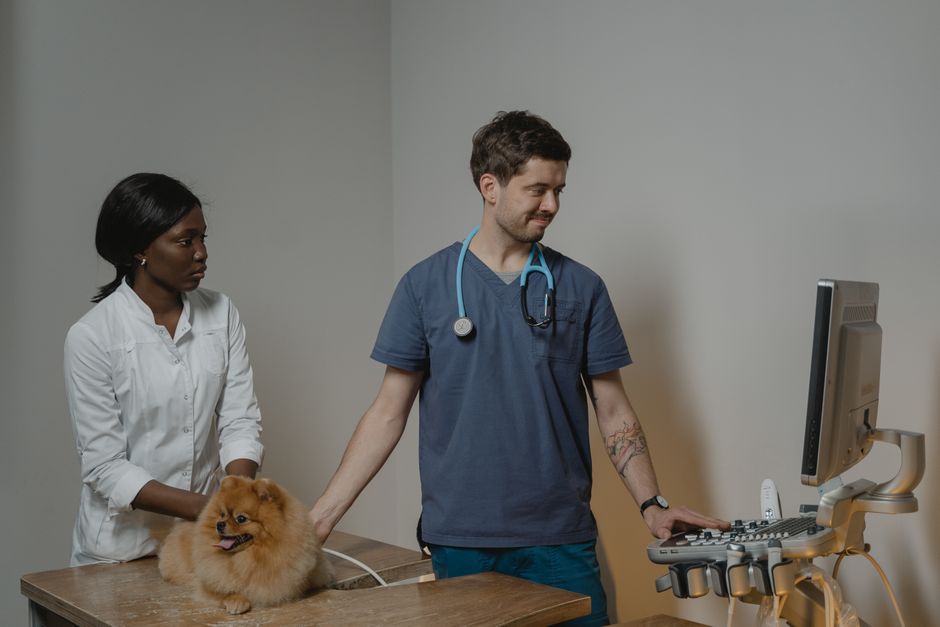
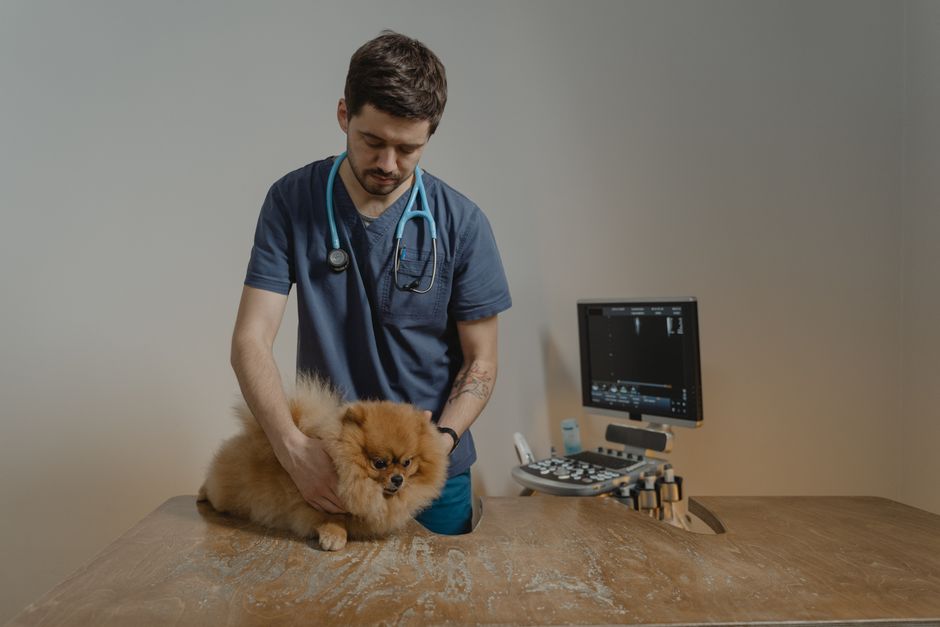
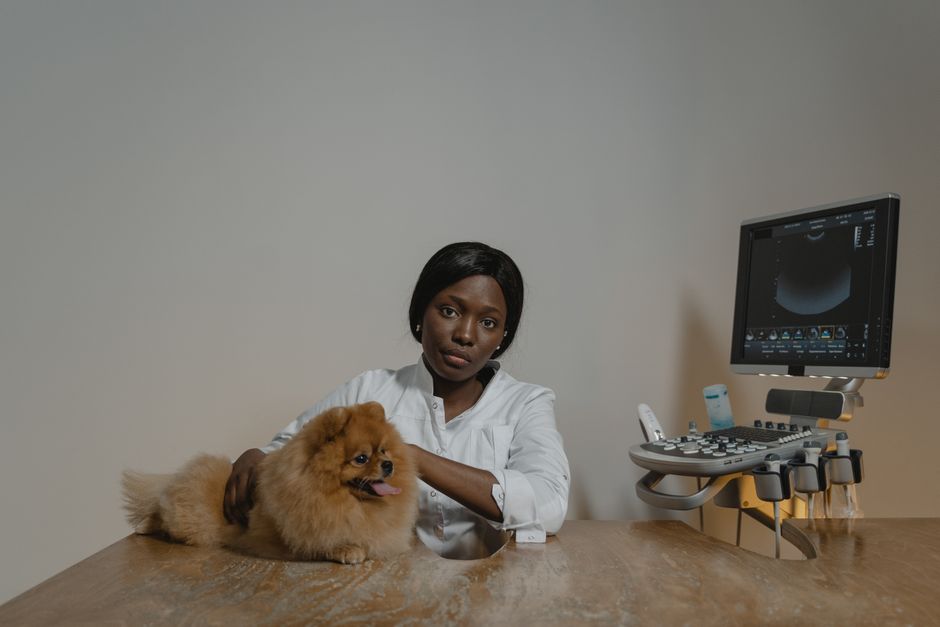
One of the most important tools a canine internal medicine specialist uses is diagnostic ultrasound. Unlike basic x-rays, ultrasound allows our team to see inside your dog’s body in real time, evaluating organs such as the liver, spleen, kidneys, and intestines. This non-invasive technique can help identify tumors, cysts, areas of inflammation, or fluid buildup that are not visible through standard tests.
A key advantage of working with a specialty team is the ability to perform ultrasound-guided fine needle aspirates, which means using ultrasound to precisely collect cells from a suspicious area for further analysis. This approach increases diagnostic accuracy and often avoids the need for more invasive surgery. To learn more about how these procedures work, visit our page detailing ultrasound-guided fine needle aspirates for diagnostic evaluation.
In addition to ultrasound, our specialists can provide thoracic ultrasounds for non-cardiac chest conditions, sample abdominal or thoracic fluid, and coordinate advanced imaging such as CT or fluoroscopy through trusted partners. These options are particularly valuable for diagnosing complex or rare diseases and for planning the most effective treatment.
Working With a Specialist: The Consultation and Diagnostic Process
When you bring your dog to The Veterinary Internal Medicine Group, the process starts with a comprehensive review of your dog’s medical records and a detailed conversation about your concerns. Our specialists perform a targeted physical examination, paying close attention to subtle signs that might suggest an underlying condition. Based on this information, they recommend a diagnostic plan tailored to your dog’s needs. This may include blood work, urine tests, imaging such as abdominal ultrasound, or specialized procedures like abdominocentesis or thoracocentesis to collect and analyze fluid samples.
Our veterinary internal medicine team takes the time to explain each step, answer your questions, and ensure you understand the reasoning behind every test or recommendation. Throughout the process, we stay in close communication with your primary care veterinarian, sharing results and coordinating care. For more about the advanced diagnostic options available, visit our page on specialty diagnostic procedures including abdominocentesis, thoracocentesis, and pericardiocentesis.
Treatment and Management: What to Expect for Your Dog
Once a diagnosis is reached, a canine internal medicine specialist develops a treatment plan tailored to your dog’s specific condition. Treatment approaches vary widely but may involve medication management, dietary changes, minimally invasive procedures to drain fluid or obtain biopsies, and in some cases, referral for advanced therapies such as chemotherapy or interventional procedures.
Our team understands that managing chronic or severe illness in your dog can be overwhelming, so we provide ongoing support, regular re-evaluation, and adjustments to the treatment plan as your dog’s needs change. The goal is always to improve quality of life, control symptoms, and support you as you care for your dog at home.
Prevention and What You Can Do at Home
While some conditions seen by a canine internal medicine specialist arise suddenly or are not always preventable, there are steps you can take to support your dog’s health. Keeping up with regular checkups, following your veterinarian’s recommendations for preventive care, and monitoring your dog for early warning signs of illness can make a difference. At home, observe for changes in appetite, thirst, urination, stool quality, energy levels, or breathing. Keeping a written log of symptoms or changes can help both your primary veterinarian and specialist identify patterns and make more informed decisions.
It is also important to provide your dog with a healthy diet, access to clean water, regular exercise, and a low-stress environment. These basic wellness measures can support immune function and may help reduce the risk of chronic disease.
When to Seek a Canine Internal Medicine Specialist
You should seek the expertise of a canine internal medicine specialist when your primary veterinarian recommends it, or if your dog’s condition is not improving as expected. Specific scenarios include persistent or unexplained symptoms, abnormal test results that are not easily interpreted, or when advanced diagnostics or treatment options are needed. It is always appropriate to ask your veterinarian if a referral to a specialist could help clarify your dog’s diagnosis or expand the range of available treatment options.
If you notice new or worsening symptoms in your dog, such as difficulty breathing, severe lethargy, collapse, or uncontrolled vomiting and diarrhea, prompt veterinary attention is essential. In these urgent cases, contact your primary care veterinarian or local emergency facility first. For ongoing or complex health issues, a specialty team like ours can provide the next level of insight and care.
Why Choose The Veterinary Internal Medicine Group for Specialty Care in Miami
At The Veterinary Internal Medicine Group in Miami, our board-certified specialists and veterinary internal medicine team are committed to providing compassionate, expert care for dogs facing challenging health conditions. From our state-of-the-art diagnostic ultrasound to advanced procedures and thoughtful communication, we partner with pet owners and primary care veterinarians to deliver answers and hope. Whether your dog is referred for a second opinion, advanced imaging, or a targeted procedure, you can trust that we approach every case with dedication and empathy.
If you are searching online for a "specialty vet near me" or need the help of a canine internal medicine specialist in Miami, our team is here to guide you through the process. To meet our specialists and learn more about our expertise, visit our veterinary internal medicine team page.
For more information or to schedule a consultation, contact The Veterinary Internal Medicine Group at 12968 Southwest 132nd Avenue, Miami, FL 33186 or call (305) 677-2015 today. Our goal is to help you find clarity, comfort, and the right path forward for your dog’s health, every step of the way.