When Does Your Miami Pet Need Advanced Diagnostics?


When Does Your Miami Pet Need Advanced Diagnostics?
If you feel frustrated because your pet’s symptoms just aren’t improving, you’re not alone. Many Miami pet owners have faced the challenge of mysterious health problems that don’t resolve with standard treatments or routine veterinary visits. Sometimes, pets develop complex medical conditions that require more than basic testing or medication. In these situations, advanced diagnostics—such as ultrasound imaging and internal medicine consults—can be the key to unlocking answers and helping your companion get back to feeling their best.
At The Veterinary Internal Medicine Group, located at 12968 Southwest 132nd Avenue, Miami, FL 33186, our team of veterinarians specializes in providing advanced diagnostic services for pets with complex or persistent health concerns. This blog will help you recognize when your pet might need advanced diagnostics, understand what these services involve, and know how our specialty care can support both you and your primary care veterinarian. We’ll also discuss the benefits of timely, accurate diagnosis for pets in Miami-Dade and Monroe counties and surrounding communities, so you feel empowered to seek the right help for your furry family member.
Recognizing When Your Pet Needs Advanced Diagnostics
Every pet parent hopes that a simple checkup or medication will quickly resolve their pet’s discomfort. However, some conditions are more challenging to diagnose, particularly when symptoms are vague, chronic, or not responding to initial treatment. Key signs that may indicate your pet needs advanced diagnostics include ongoing vomiting or diarrhea that does not improve, unexplained weight loss, persistent coughing, difficulty breathing, chronic infections, or abdominal swelling. Additional red flags can involve changes in appetite or thirst, unexplained pain, lethargy that lasts for days, or abnormal lab results from your primary veterinarian.
It can be especially worrisome if your pet has undergone basic diagnostics—such as bloodwork or X-rays—without clear results. For example, if your dog continues to lose weight despite a normal appetite, or your cat develops recurrent urinary tract issues that do not resolve, these patterns often point to an underlying cause that needs specialized attention. Advanced diagnostics become crucial in these scenarios, as they allow for more detailed evaluation of internal organs, tissues, and body systems.
Understanding Why Advanced Diagnostics Are Needed
Many chronic or recurring pet health issues stem from underlying problems that are not easily detected through standard exams or basic lab tests. In Miami’s warm, humid climate, pets may be at risk for certain infectious diseases, metabolic conditions, or even hidden tumors that require precise imaging or sampling for accurate diagnosis. Additionally, some breeds are predisposed to complex diseases that can be difficult to pinpoint without advanced tools.
The need for advanced diagnostics often arises when general veterinary care has reached its limits. For example, if initial treatments do not resolve the issue, or if your veterinarian suspects a disease that needs imaging or tissue sampling for confirmation, referral to an internal medicine specialist is the logical next step. Our specialty team collaborates closely with local veterinarians to provide diagnostic insight and support, ensuring your pet receives the most appropriate care tailored to their unique situation.
Diagnostic options such as ultrasound, ultrasound-guided fine needle aspirates, and thoracic ultrasounds (non-cardiac) allow for real-time evaluation of your pet’s internal anatomy, helping to identify conditions like liver disease, kidney issues, gastrointestinal problems, or lung abnormalities. In some cases, procedures such as abdominocentesis, thoracocentesis, or pericardiocentesis are needed to analyze fluid buildup and guide further treatment. When even more detailed imaging is required, options like CT scans and fluoroscopy—available through collaboration with MPI—can provide additional answers.
What to Expect: Treatment and Management with a Veterinary Internal Medicine Specialist
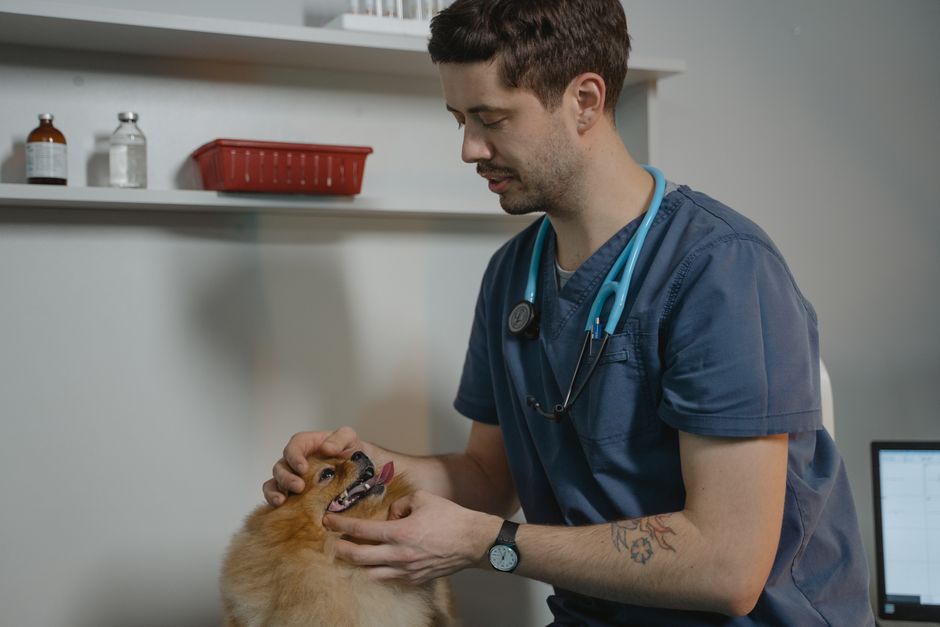
When your pet is referred to The Veterinary Internal Medicine Group for advanced diagnostics, you can expect a comprehensive, collaborative approach that prioritizes both accurate diagnosis and your pet’s comfort. The process often begins with an internal medicine consult, during which our veterinary professionals review your pet’s medical history, previous test results, and ongoing symptoms. We take time to listen to your concerns and answer questions, ensuring you understand each step of the diagnostic journey.
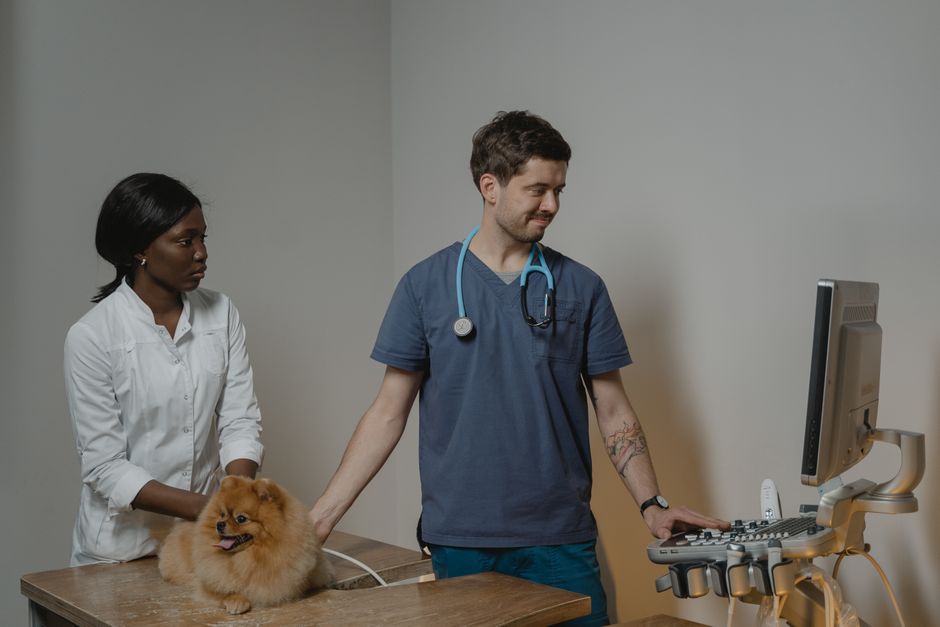
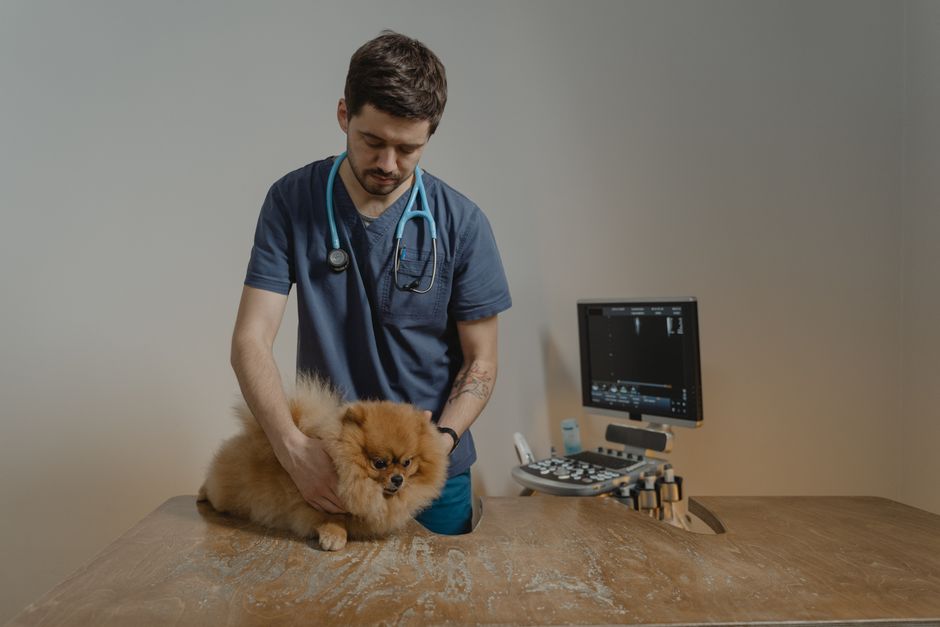
Our next steps may involve advanced procedures such as abdominal or thoracic ultrasound, which uses sound waves to create detailed images of organs and tissues. For cases where a specific mass or abnormal area is detected, we may recommend an ultrasound-guided fine needle aspirate to safely collect a sample for laboratory analysis. This minimally invasive procedure can help diagnose cancers, infections, or inflammatory conditions with minimal discomfort to your pet.
Additional diagnostic options include pregnancy checks for breeding animals, as well as specialized procedures like abdominocentesis, thoracocentesis, and pericardiocentesis to assess and treat fluid accumulation. For pets with particularly complex or unusual presentations, our collaboration with MPI provides access to advanced imaging services such as CT and fluoroscopy.
Throughout the process, our team works in partnership with your primary care veterinarian, providing detailed reports and recommendations for ongoing management. Our goal is not only to provide answers, but also to support the best possible outcome for your pet through personalized, evidence-based care.
What Pet Owners Can Do at Home and How to Support Your Pet
While some conditions require specialized diagnostics and treatment, there are important steps pet owners can take at home to support their pet’s well-being and help the diagnostic process. Pay close attention to any changes in your pet’s appetite, thirst, urination, or energy levels, and keep a journal of symptoms or episodes. This information can be invaluable to the veterinary team during your consult.
Maintaining a consistent routine, providing a balanced diet, and ensuring your pet stays hydrated are essential, especially when dealing with chronic or unexplained illness. Avoid giving over-the-counter medications or supplements without veterinary guidance, as these can interfere with diagnostic results or even cause harm. If your pet has been prescribed a special diet or medication by your veterinarian, follow instructions closely and communicate any side effects or lack of improvement.
Most importantly, trust your instincts. You know your pet best, and persistent or unusual symptoms should always prompt a conversation with your veterinary team. Prompt action can make a significant difference in managing complex medical issues, especially when advanced diagnostics are needed for a timely diagnosis.
When to Seek Veterinary Specialty Care for Your Pet
Deciding when to seek specialty care can feel overwhelming, but there are clear guidelines that can help. If your pet’s symptoms last more than a few days without improvement, or if your general veterinarian recommends a referral for further testing or consultation, it’s time to consider advanced diagnostics. Specific scenarios that warrant specialty evaluation include severe or unresolved gastrointestinal signs, unexplained weight loss, chronic coughing or breathing difficulties, recurrent fevers or infections, and abnormal test results that require further investigation.
Pets with known chronic diseases such as diabetes, liver disease, or kidney issues may also benefit from advanced imaging and internal medicine consults when their condition becomes difficult to manage. Additionally, if your pet develops sudden swelling, fainting episodes, or other acute changes with no clear cause, prompt evaluation by a specialty team can be lifesaving.
At The Veterinary Internal Medicine Group, our veterinary professionals are committed to providing clear communication, compassionate support, and advanced medical expertise. We understand that referring your pet for specialty care is a big step, and we strive to make the process as seamless and informative as possible, both for you and your primary veterinarian.
Taking the Next Step: Specialty Veterinary Diagnostics in Miami-Dade and Monroe counties
If you are searching for answers to your pet’s ongoing health challenges, advanced diagnostics can provide the clarity and solutions you need. The Veterinary Internal Medicine Group, based at 12968 Southwest 132nd Avenue, Miami, FL 33186, offers expert internal medicine consults, ultrasound imaging, and a wide range of specialized diagnostic procedures for pets in Miami-Dade and Monroe counties and surrounding communities. We partner closely with local veterinarians to ensure your pet receives the highest standard of care, from initial consultation through to follow-up and management.
If you need a specialty vet near me, our veterinary team is here to help you navigate complex health issues with confidence and compassion. To learn more about our diagnostic capabilities, visit our pages on ultrasound services for pets or explore our internal medicine consults. For questions, referrals, or to discuss your pet’s specific needs, please contact us at (305) 677-2015. Our team is always ready to provide the advanced care and answers your pet deserves.
This blog is for informational purposes only and is not a substitute for professional veterinary advice. If your pet is experiencing urgent symptoms or a medical emergency, contact your veterinarian or local emergency clinic immediately.