When To See A Veterinary Internal Medicine Specialist In Miami

When To See A Veterinary Internal Medicine Specialist In Miami
If your dog or cat is facing a persistent or complicated health problem, you may wonder if it is time to seek advanced veterinary expertise. For many pet owners in Miami and the surrounding communities, knowing when to consult a veterinary internal medicine specialist can make all the difference in their pet's prognosis and quality of life. At The Veterinary Internal Medicine Group, located at 12968 Southwest 132nd Avenue, Miami, FL 33186, our board-certified team is dedicated to helping pets with complex illnesses through advanced diagnostics, expert ultrasound, and internal medicine consults. In this blog, we will explain the signs that suggest your pet could benefit from seeing a veterinary internal medicine specialist, explore the causes behind complicated cases, and discuss how our advanced diagnostic services help pets thrive in South Florida’s unique climate.
Whether you are struggling with ongoing symptoms, unexplained illnesses, or have been referred by your primary veterinarian, understanding the role of a veterinary internal medicine specialist in Miami can provide peace of mind and a clearer path forward for your dog or cat. We will also offer practical tips on what you can do at home, when to seek specialty care, and how our team supports pet owners in Kendall, Westchester, Fontainebleau, and beyond.
Recognizing When Your Pet Needs an Internal Medicine Specialist
Many health conditions in dogs and cats can be managed by your family veterinarian, but there are times when advanced expertise is needed. Recognizing the signs that warrant a veterinary internal medicine specialist is essential for timely diagnosis and treatment.
Key symptoms prompting a referral include chronic vomiting or diarrhea, unexplained weight loss, persistent coughing, increased thirst and urination, jaundice, labored breathing, or sudden changes in appetite and behavior. Additionally, if your pet’s bloodwork reveals abnormal liver or kidney values, persistent anemia, or unusual white blood cell counts, or if they have a history of difficult-to-control diabetes, Cushing’s disease, Addison’s disease, or immune-mediated disorders, it is time to consider specialty care.
Some cases are marked by vague symptoms, such as intermittent lethargy or recurring fevers that do not resolve with standard treatments. If your general veterinarian has run tests but the underlying cause remains unclear, or if your pet’s condition is not improving despite multiple treatment attempts, a veterinary internal medicine specialist can provide the advanced diagnostics and targeted therapies needed for complex cases.
Why Complex Cases Occur: Underlying Causes and Risk Factors
Understanding why certain conditions require specialized care starts with recognizing the complexities of internal medicine. Pets may develop intricate health issues due to genetic predispositions, chronic infections, immune system dysfunction, metabolic or endocrine diseases, and exposure to environmental stressors. For example, in Miami’s hot, humid climate, pets are at higher risk for certain vector-borne diseases, heat-related illnesses, and chronic skin or respiratory conditions that can complicate diagnosis and management.
Many internal medicine cases involve organs such as the liver, kidneys, pancreas, or gastrointestinal tract, where symptoms overlap and routine diagnostics may not provide clear answers. Chronic diseases like inflammatory bowel disease, chronic hepatitis, or kidney insufficiency often present gradually, making early detection challenging. Hormonal disorders, including thyroid, adrenal, or pancreatic imbalances, can also cause a range of non-specific symptoms.
Another factor involves the limitations of standard diagnostics. While your primary veterinarian can perform bloodwork, X-rays, and basic ultrasounds, advanced imaging, specialized laboratory tests, and procedures such as ultrasound-guided biopsies are often necessary to pinpoint the exact cause of illness. This is where a board-certified veterinary internal medicine specialist becomes an invaluable partner in your pet’s care.
How a Veterinary Internal Medicine Specialist Approaches Diagnosis and Treatment
When your pet is referred to The Veterinary Internal Medicine Group, our process is designed to provide clarity and direction for even the most challenging cases. Our veterinary internal medicine specialist will review your pet’s medical history, collaborate with your primary veterinarian, and conduct a comprehensive physical examination.
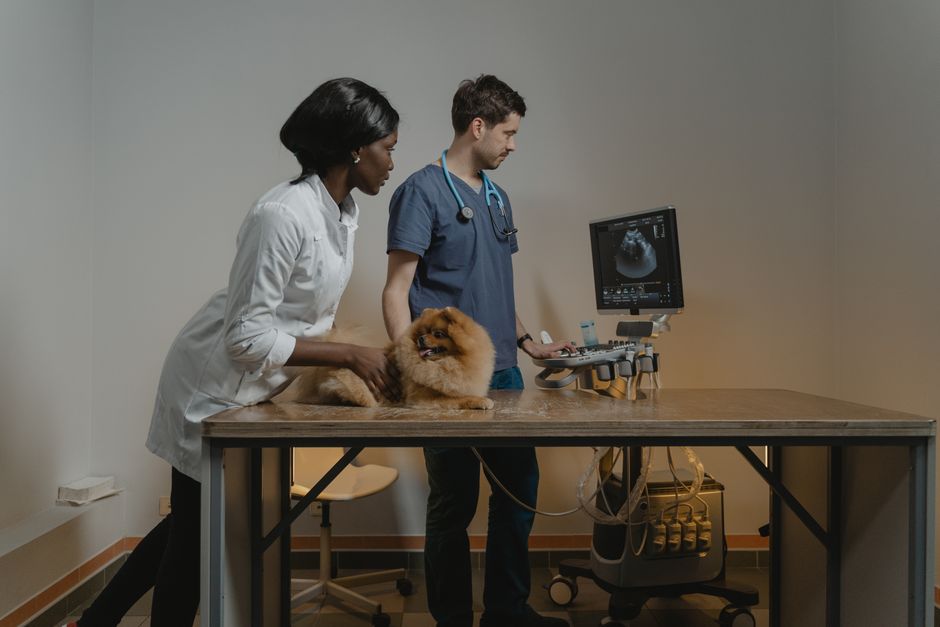
Diagnostic approaches may include advanced bloodwork panels, urinalysis with specific gravity and sediment analysis, and specialized testing for infectious or immune-mediated diseases. Imaging techniques are a cornerstone of our specialty. Abdominal and thoracic ultrasounds allow us to evaluate organs in real time for masses, fluid, or structural changes. Our practice offers abdominal ultrasound services by a board-certified veterinary specialist, ensuring precise and minimally invasive evaluations.
When necessary, procedures such as ultrasound-guided fine needle aspirates, abdominocentesis, or thoracocentesis are performed to collect samples for analysis. In some cases, collaboration with imaging partners allows us to offer advanced diagnostic imaging options (CT and fluoroscopy) for pets in South Florida, helping to diagnose obscure or multi-systemic diseases.
Treatment plans are tailored to your pet’s specific condition and may involve targeted medications, immune-modulating therapies, specialized diets, and ongoing monitoring. Our team will communicate closely with you and your primary veterinarian to ensure continuity of care and optimal outcomes. Many internal medicine cases require long-term management, with adjustments based on your pet’s evolving needs and response to therapy.
Supporting Your Pet at Home: Prevention and Daily Management
While some complex illnesses are unavoidable, there are steps you can take to support your pet’s health and minimize risk factors. Regular check-ups with your family veterinarian lay the foundation for early detection. Monitoring your pet’s appetite, energy level, water intake, urination, and stool quality can help you spot subtle changes that may indicate a deeper issue; keeping a daily journal of symptoms can be invaluable when seeking specialty care.
Providing a balanced diet, maintaining a healthy weight, and ensuring access to clean water are vital for organ health. In Miami’s warm climate, protecting your dog or cat from heat stress, preventing exposure to ticks and mosquitoes, and minimizing environmental toxins all help reduce the risk of chronic illnesses.
Adhering to recommended vaccination and parasite prevention protocols reduces the burden of infectious diseases that can complicate internal medicine conditions. For pets with chronic diseases, following your veterinary team’s instructions on medication administration, diet changes, and scheduled rechecks is crucial to maintaining stability and quality of life.
When to Seek Specialty Veterinary Care in Miami
Knowing when to reach out to a veterinary internal medicine specialist can be daunting, but certain situations clearly indicate the need for advanced care. If your pet is experiencing symptoms that do not resolve with standard treatment, if diagnostic tests are inconclusive, or if your veterinarian recommends further investigation, it is time to consider an internal medicine consult.
Some scenarios that warrant prompt attention include persistent vomiting or diarrhea lasting more than a few days, difficulty breathing, sudden collapse, jaundice (yellowing of the gums, skin, or eyes), or unexplained weight loss. Chronic or recurring infections, immune-mediated diseases, and complicated endocrine disorders also benefit from specialty management.
At The Veterinary Internal Medicine Group, we encourage you to schedule an internal medicine consult for complex pet health issues in Miami whenever you feel uncertain about your pet’s condition. Our role is to provide answers, support, and advanced treatment options for you and your four-legged family member.
The Value of Specialty Care: Peace of Mind for Pet Owners
Choosing to see a veterinary internal medicine specialist is an investment in your pet’s health and your peace of mind. With access to advanced diagnostics, experienced interpretation, and state-of-the-art treatments, you are giving your dog or cat the best chance at a positive outcome. Our Miami-based practice supports pet owners with education, ongoing communication, and a collaborative approach that centers your pet’s well-being.
If you are searching for an internal medicine vet near me, look for board-certified expertise, compassionate care, and a commitment to working closely with your family veterinarian. Our team is proud to offer these qualities to pet owners throughout Miami and the surrounding communities.
Take the Next Step: Contact The Veterinary Internal Medicine Group
Navigating your pet’s health journey can feel overwhelming, but you are not alone. If your dog or cat is struggling with persistent symptoms or a complex diagnosis, The Veterinary Internal Medicine Group is here to help. Our board-certified veterinary internal medicine specialist in Miami partners with you and your primary veterinarian to deliver answers and hope for even the most challenging cases.
We invite you to explore more about our internal medicine consults for complex pet health issues in Miami or learn about abdominal ultrasound services by a board-certified veterinary specialist if advanced imaging is recommended. For additional guidance, our website offers education for pet owners on when to seek specialty veterinary care.
To discuss your pet’s needs or schedule a consultation, call us at (305) 677-2015 or visit our clinic at 12968 Southwest 132nd Avenue, Miami, FL 33186. Your pet’s health and comfort are our top priorities, and our veterinary internal medicine specialist is committed to supporting you every step of the way.