Recognizing Chronic GI Symptoms: When to Seek a Specialist

Recognizing Chronic GI Symptoms: When to Seek a Specialist
When your pet is struggling with ongoing digestive issues, it can leave you feeling anxious and uncertain about how best to help them. Chronic GI symptoms in pets, such as persistent vomiting, diarrhea, weight loss, or changes in appetite, often signal more than just a passing upset stomach. For pet families in Miami-Dade and Monroe counties and surrounding communities, understanding when to seek advanced care is crucial for your animal’s long-term health.
At The Veterinary Internal Medicine Group (VIMG) Mobile Service, our board-certified veterinary internal medicine specialists bring advanced diagnostic and treatment options directly to local veterinary clinics in the Miami-Dade and Monroe counties area. We collaborate closely with primary care veterinarians to provide comprehensive internal medicine consultations, procedures, and imaging, including ultrasound and minimally invasive diagnostics, ensuring each pet receives the expert care they deserve without unnecessary travel or stress. If you’ve been searching for a "specialist vet near me" or a mobile internal medicine consultation in Miami, you’re in the right place.
In this guide, we’ll help you recognize the signs of chronic GI symptoms in pets, explore possible underlying causes, discuss advanced diagnostic and treatment options, and explain when it’s time to partner with a veterinary internal medicine specialist. Whether you’re a concerned pet owner or a referring veterinarian, you’ll find practical advice and clear next steps for supporting your pet’s health. If you need to explore specialty care for chronic GI conditions, our mobile team is here to help with compassionate, expert service right where you are. To learn more about how our internal medicine consults can help solve complex medical problems, visit our page on Internal Medicine consults for chronic conditions.
Understanding Chronic GI Symptoms in Pets
Digestive issues are among the most common reasons pet owners seek veterinary care, but not all stomach troubles are created equal. Chronic GI symptoms in pets are defined by their persistence or recurrence over weeks or even months. Recognizing the difference between a single episode and a pattern of ongoing issues is the first step in advocating for your pet’s well-being.
Key Signs of Chronic GI Distress
Symptoms to watch for include frequent or ongoing vomiting, soft or watery stools that last for more than a week, noticeable weight loss despite a normal or increased appetite, and a decreased or unpredictable appetite. Other warning signs can involve changes in your pet’s energy level, abdominal pain or discomfort, increased flatulence, or visible blood in stool or vomit. In some cases, you might notice that your pet is more withdrawn or reluctant to play, which can be a subtle sign that something isn’t right internally.
It’s important to remember that while an isolated incident may resolve on its own, repeated or persistent GI symptoms almost always require a closer look from a veterinary professional. In Miami’s warm, humid climate, pets can be at risk for certain parasites and infectious agents that can complicate GI health, making timely evaluation even more important.
If you’re wondering whether your pet’s symptoms are cause for concern, think about how often they’re occurring and whether your pet’s overall behavior or weight has changed. Chronic GI symptoms in pets are not just uncomfortable; they can point to underlying disorders that may worsen without intervention.
Common Causes of Chronic GI Symptoms in Miami Pets
Ongoing digestive problems can arise from a variety of sources. Understanding these potential causes helps illustrate why chronic GI symptoms in pets require a thorough and methodical diagnostic approach.
Underlying Conditions and Risk Factors
Chronic GI symptoms can be driven by food sensitivities or allergies, chronic infections (such as parasites or bacterial overgrowth), inflammatory bowel disease (IBD), metabolic disorders involving the liver or pancreas, or even immune-mediated diseases. In some pets, certain cancers of the digestive tract or abdominal organs may first appear as subtle, long-lasting GI problems. Additionally, conditions such as pancreatitis or gallbladder disease can mimic common stomach issues while requiring very different treatments.
Environmental factors, like exposure to contaminated water, sudden dietary changes, or ingestion of foreign objects, can also contribute to ongoing GI distress. Miami’s year-round warm weather sometimes increases the risk of waterborne pathogens or seasonal allergens, which can play a role in triggering or worsening chronic digestive problems in pets.
For many pets, especially those who have already tried basic dietary changes or routine medications without improvement, these chronic symptoms can be a sign that a deeper investigation is needed. That’s where a veterinary internal medicine specialist steps in to help uncover the root of the problem and develop a tailored treatment plan.
Advanced Diagnostics and Treatment: How Internal Medicine Specialists Can Help
If your primary care veterinarian suspects a complex or persistent GI condition, partnering with an internal medicine specialist can make all the difference. The Veterinary Internal Medicine Group’s mobile service offers advanced diagnostics directly at your family veterinarian’s clinic, making specialty care more accessible than ever in Miami-Dade and Monroe counties and surrounding areas.
Comprehensive Evaluation and Diagnostic Techniques
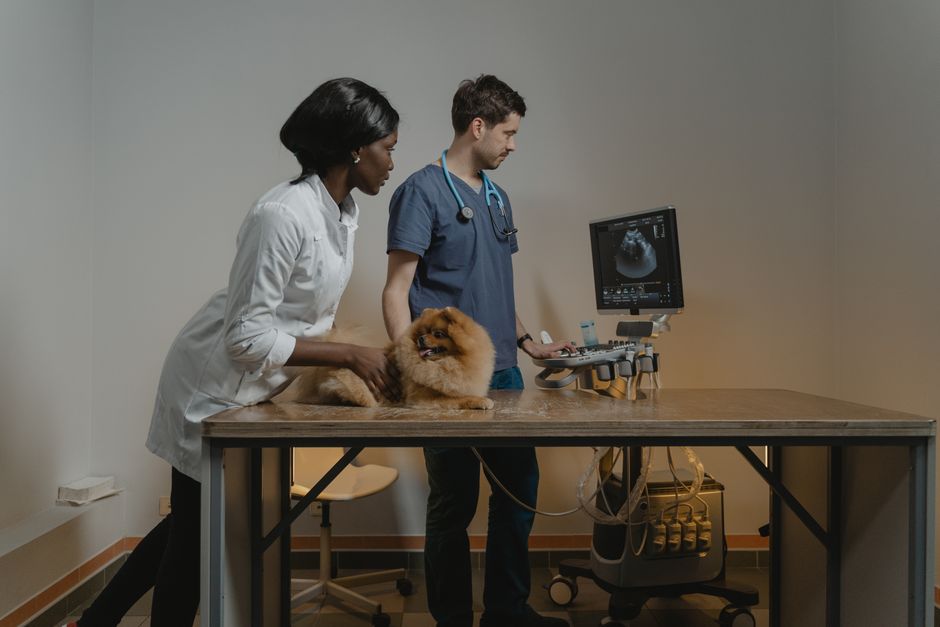
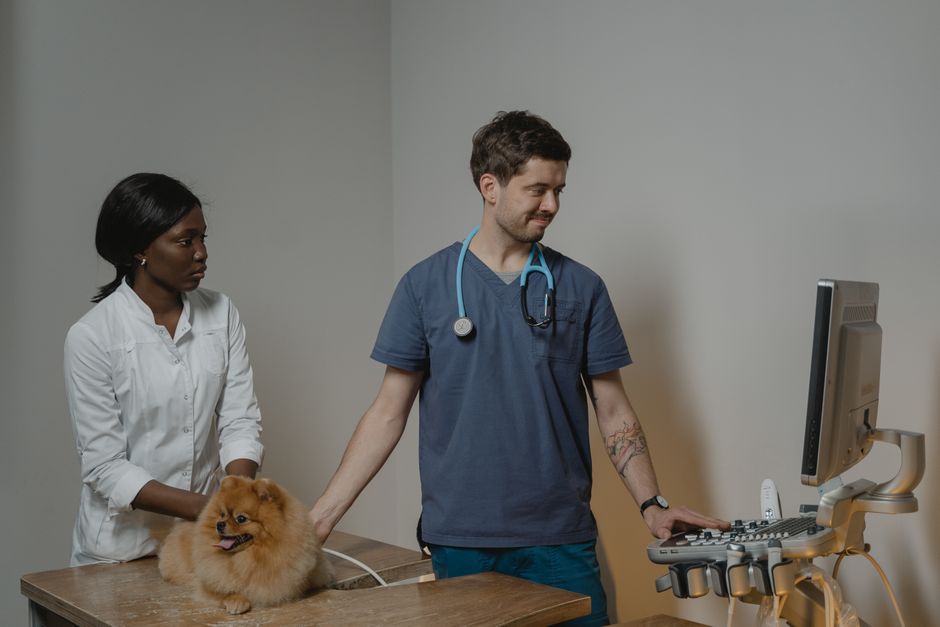
Diagnostic approaches for chronic GI symptoms in pets involve a careful review of your pet’s history, targeted physical examinations, and a range of advanced tests. Our team is equipped to provide abdominal ultrasounds, which offer real-time insight into your pet’s internal organs and help identify inflammation, masses, or structural problems that might not be apparent on routine X-rays. For more targeted investigations, procedures such as ultrasound-guided fine needle aspirates allow us to collect small samples from affected organs for laboratory analysis, aiding in the diagnosis of conditions like IBD, lymphoma, or other GI diseases. You can read more about our abdominal ultrasound services for pets and how they support internal medicine cases.
In some situations, additional procedures, including abdominocentesis, thoracocentesis, or pericardiocentesis, are used to safely collect fluid samples for diagnostic testing, which can be essential when managing cases with abdominal or chest fluid accumulation. Our specialty team also has access to advanced imaging options, such as CT and fluoroscopy, through collaborative partnerships, offering even more detailed information when standard diagnostics do not provide clear answers. Details on these procedures are available on our page for miscellaneous diagnostic procedures for complex internal conditions.
Individualized Treatment Plans for Chronic GI Disease
Once a diagnosis is established, treatment options are carefully tailored to your pet’s specific needs. Management may involve dietary modifications, prescription medications to control inflammation or immune responses, and supportive therapies to address dehydration or nutritional deficits. For certain conditions, immune-modulating drugs or targeted antibiotics may be indicated. Our veterinary internal medicine specialists work in close partnership with your primary veterinarian to ensure your pet receives coordinated, ongoing care.
For families seeking a "specialist veterinarian near me" or "internal medicine vet near me," our mobile service model ensures that your pet receives advanced care in a familiar setting, reducing both travel stress and the risks associated with unfamiliar clinic environments. We are committed to providing comprehensive education to both pet owners and referring veterinarians, helping everyone involved understand the rationale behind each diagnostic and treatment decision.
Home Care Tips and Prevention for Chronic GI Health
While some causes of chronic GI symptoms in pets are unavoidable, there are steps you can take to help support your animal’s digestive health and reduce the risk of future flare-ups.
Key strategies include maintaining a consistent, high-quality diet that is appropriate for your pet’s age and health status. It’s also important to avoid sudden changes in food, as these can trigger digestive upset. Preventing access to garbage or unfamiliar foods, especially during outdoor activities, can help minimize the risk of accidental ingestion of harmful substances. Regular parasite prevention, particularly in Miami’s subtropical climate, is another essential component of GI health.
Routine wellness visits with your family veterinarian help catch early signs of chronic GI conditions before they become more serious. If your pet is already under the care of an internal medicine specialist, following through with recommended treatments, keeping a symptom diary, and communicating any changes promptly will contribute to better outcomes.
When to Seek Veterinary Internal Medicine Care
Knowing when to escalate your pet’s care to an internal medicine specialist can provide peace of mind and improve your pet’s prognosis. If your pet is experiencing chronic GI symptoms that have not improved after basic dietary changes or standard treatments, or if new symptoms such as significant weight loss, blood in stool, or severe lethargy develop, it’s time to consider a higher level of care.
For those seeking a "specialist vet near me" or specifically an "internal medicine veterinarian near me" in Miami-Dade and Monroe counties, The Veterinary Internal Medicine Group Mobile Service is uniquely positioned to help. Our collaborative, mobile model means your pet can access advanced diagnostics and specialty consultations without leaving their trusted primary care clinic. This approach not only reduces stress for your pet but also ensures continuity of care between your referring veterinarian and our specialty team.
If your veterinarian has recommended more advanced diagnostics, like ultrasound, fine needle aspirates, or specialized fluid analysis, these are all within the scope of our internal medicine mobile service. You can learn more about our advanced diagnostic and imaging capabilities, including ultrasound-guided fine needle aspirates and advanced imaging options via MPI collaboration, to see how we support complex internal cases.
Take the Next Step: Advanced GI Care for Miami Pets
Chronic GI symptoms in pets can be distressing, but you don’t have to navigate them alone. By recognizing the warning signs early and partnering with a veterinary internal medicine specialist, you can give your pet the best chance for lasting comfort and health. At The Veterinary Internal Medicine Group, we proudly serve Miami-Dade and Monroe counties and surrounding communities with mobile specialty care that brings advanced diagnostics and treatment directly to your referring veterinarian’s practice.
If you’re searching for a "specialist vet near me" or need a trusted partner for "internal medicine consults in Miami," our team is ready to help. Contact us to discuss your pet’s symptoms, ask about our diagnostic offerings, or request a referral from your family veterinarian. Our mobile service ensures personalized attention and leading-edge expertise for every case.
To connect with our veterinary internal medicine specialists, call (305) 677-2015 or visit us at 12968 Southwest 132nd Avenue, Miami, FL 33186. You can also explore more about our internal medicine consults for chronic GI conditions or review our specialty vet care education resources to better understand when and how specialty care can support your pet.
Your pet’s comfort and health are our top priorities. Let us help you find answers and relief for chronic GI symptoms in pets, because every animal deserves expert, compassionate care right here in Miami-Dade and Monroe counties.